Inshriach Pink Astilbe
Astilbe simplicifolia 'Inshriach Pink'
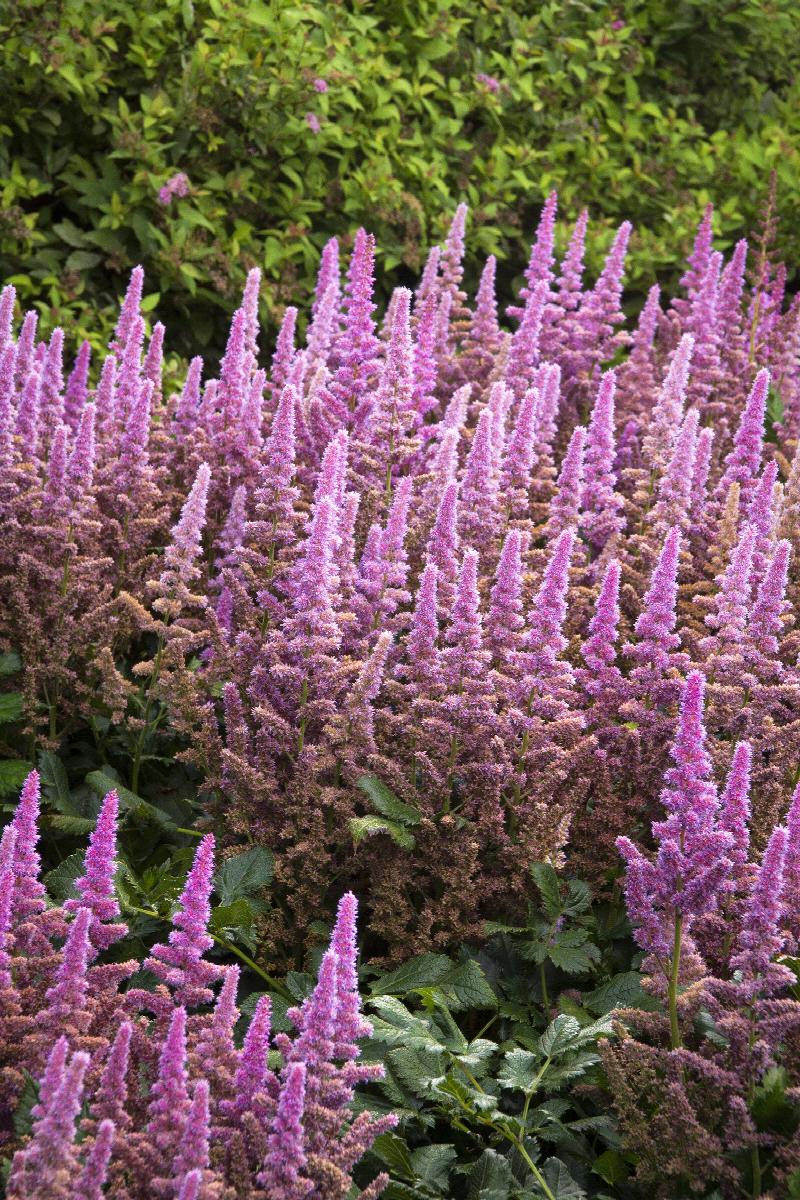
Extend the season with this later flowering dwarf Astilbe. Fluffy, pale pink spikes are held above glossy, bronze green crinkle cut foliage. Excellent for edging or foreground plantings. Perennial.
| Botanical Pronunciation: | a-STIL-bee sim-pli-ki-FO-lee-a |
| Key feature: | Shade Loving |
| Plant type: | Perennial |
| Garden style: | Cottage |
| Deciduous/evergreen: | Herbaceous |
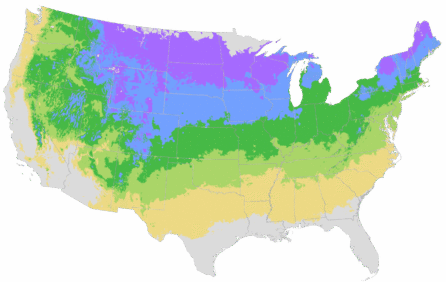
| Cold hardiness zones: | 4 - 9 |
| Light needs: | Filtered sun |
| Sunset climate zones: | 1 - 7, 14 - 17, 32 - 45 |
| Water Needs: | Needs wet or constantly moist soil. |
| Average landscape size: | Foliage 8 in. tall, 1 to 2 ft. wide. Flower spikes 10 to 15 in. tall, |
| Growth rate: | Moderate |
| Flower attributes: | Flowers for Cutting, Showy Flowers |
| Special features: | Attracts Butterflies, Deer Resistant, Dwarf Plant |
| Landscape uses: | Border, Container, Firescaping/Fire Wise, Very Wet Areas, Water Garden, Woodland Garden |
| Flower color: | Pink |
| Blooms: | Mid-summer |
| Foliage color: | Green |
| Item no.: | 0348 |
| Retailers for this plant: |
Care Information
Follow a regular watering schedule during the first growing season to establish a deep, extensive root system. For a neat appearance, remove old foliage before new leaves emerge. Divide clumps every 2 to 3 years in early spring.
Design Ideas
Its light and lacy pale pink plumes are best displayed in a shade garden or, along a pool's edge. For the appeal of a shady cottage garden, plant in small containers with other delicate, pale flowering species. In a sunnier location, try contrasting an extra large cluster against a backdrop of low-growing, non-flowering evergreen to emphasize its attractive foliage.
Companion Plants
n a misty, cool garden location, this Astilbe loves to thrive with the bold Elegans Plantain Lily (Hosta sieboldiana 'Elegans') or Heartleaf Bergenia (Bergenia cordifolia) and Woodland Iris (Iris innominata). In a sunnier location, try mixing with the delicate Miniature Bearded Iris (Iris pumila) and Dwarf Hairy Penstemon (Penstemon hirsutus 'Pygmaeus') and enjoy the pink and lilac show.
History
This group falls into the Saxifragaceae. The genus was classified by the English authority on plants of India, Francis Buchanan. There are about 14 species, mostly from Asia and a couple of North Americans. This species originates in Japan where it is known as the "star astilbe" and is the source of the famous Arends hybrids Europe.
Lore
Astilbe is from the Greek for without sheenor non-shining to describe the foliage.
Extend the season with this later flowering dwarf Astilbe. Fluffy, pale pink spikes are held above glossy, bronze green crinkle cut foliage. Excellent for edging or foreground plantings. Perennial.
Care Information
Follow a regular watering schedule during the first growing season to establish a deep, extensive root system. For a neat appearance, remove old foliage before new leaves emerge. Divide clumps every 2 to 3 years in early spring.
Design Ideas
Its light and lacy pale pink plumes are best displayed in a shade garden or, along a pool's edge. For the appeal of a shady cottage garden, plant in small containers with other delicate, pale flowering species. In a sunnier location, try contrasting an extra large cluster against a backdrop of low-growing, non-flowering evergreen to emphasize its attractive foliage.
Companion Plants
n a misty, cool garden location, this Astilbe loves to thrive with the bold Elegans Plantain Lily (Hosta sieboldiana 'Elegans') or Heartleaf Bergenia (Bergenia cordifolia) and Woodland Iris (Iris innominata). In a sunnier location, try mixing with the delicate Miniature Bearded Iris (Iris pumila) and Dwarf Hairy Penstemon (Penstemon hirsutus 'Pygmaeus') and enjoy the pink and lilac show.
History
This group falls into the Saxifragaceae. The genus was classified by the English authority on plants of India, Francis Buchanan. There are about 14 species, mostly from Asia and a couple of North Americans. This species originates in Japan where it is known as the "star astilbe" and is the source of the famous Arends hybrids Europe.
Lore
Astilbe is from the Greek for without sheenor non-shining to describe the foliage.
| Botanical Pronunciation: | a-STIL-bee sim-pli-ki-FO-lee-a |
| Key feature: | Shade Loving |
| Plant type: | Perennial |
| Garden style: | Cottage |
| Deciduous/evergreen: | Herbaceous |
| Cold hardiness zones: | 4 - 9 |
| Light needs: | Filtered sun |
| Sunset climate zones: | 1 - 7, 14 - 17, 32 - 45 |
| Water Needs: | Needs wet or constantly moist soil. |
| Average landscape size: | Foliage 8 in. tall, 1 to 2 ft. wide. Flower spikes 10 to 15 in. tall, |
| Growth rate: | Moderate |
| Flower attributes: | Flowers for Cutting, Showy Flowers |
| Special features: | Attracts Butterflies, Deer Resistant, Dwarf Plant |
| Landscape uses: | Border, Container, Firescaping/Fire Wise, Very Wet Areas, Water Garden, Woodland Garden |
| Flower color: | Pink |
| Blooms: | Mid-summer |
| Foliage color: | Green |
| Item no.: | 0348 |