Deutschland Astilbe
Astilbe x arendsii 'Deutschland'
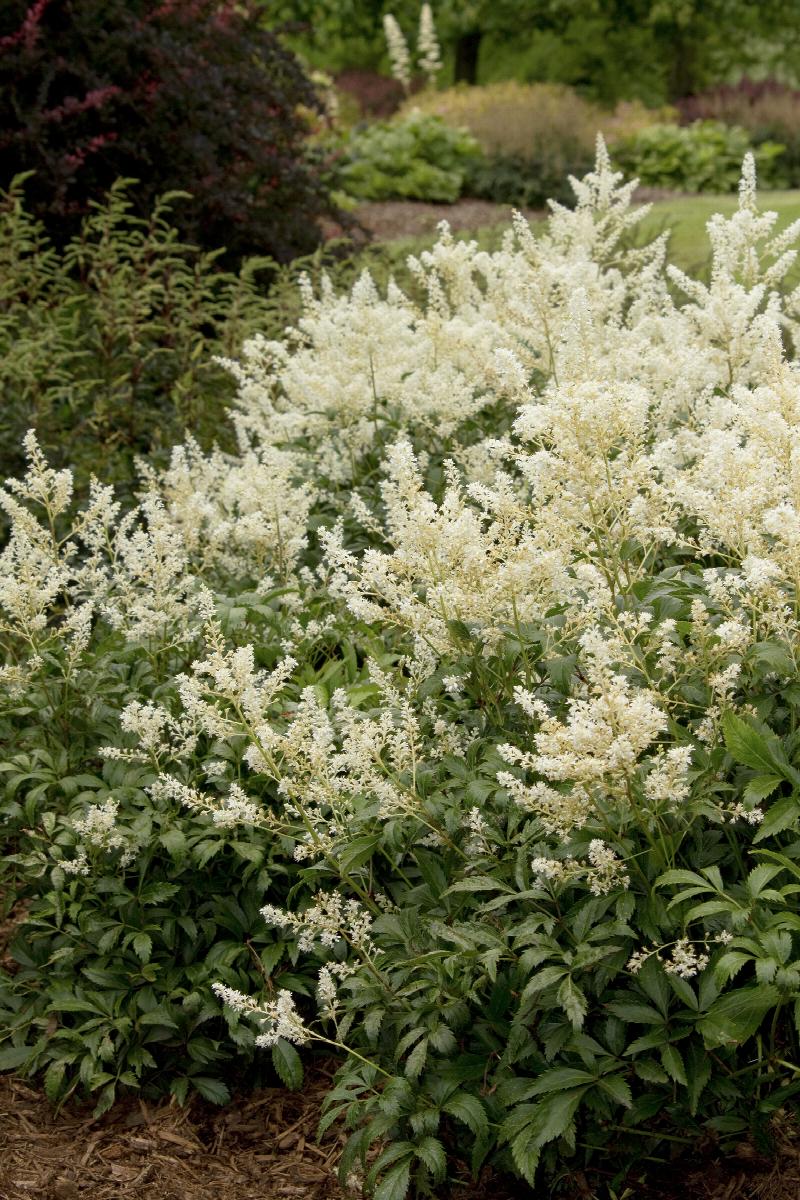
Graceful, airy mounds with showy plumes of feathery flowers. Good in pots and tubs. Nice colorful landscape accent in moist areas, such as around pools and water features. Herbaceous perennial.
| Botanical Pronunciation: | a-STIL-bee ar-END-see-eye |
| Key feature: | Shade Loving |
| Plant type: | Perennial |
| Garden style: | Cottage |
| Deciduous/evergreen: | Herbaceous |
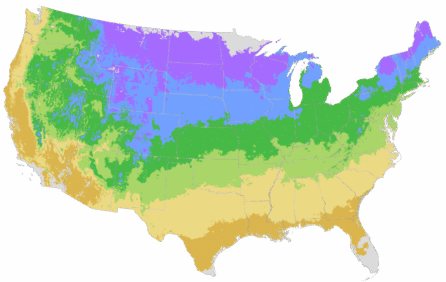
| Cold hardiness zones: | 4 - 9 |
| Light needs: | Full to partial shade |
| Sunset climate zones: | 1 - 7, 14 - 17, 32 - 45 |
| Water Needs: | Needs wet or constantly moist soil. |
| Average landscape size: | Mounds less than 1 ft. tall, 3 ft. wide; flowers to 2 ft. tall. |
| Growth rate: | Moderate |
| Flower attributes: | Flowers for Cutting, Showy Flowers |
| Special features: | Attracts Butterflies, Deer Resistant |
| Landscape uses: | Border, Container, Firescaping/Fire Wise, Very Wet Areas, Water Garden |
| Flower color: | White |
| Blooms: | Summer |
| Foliage color: | Green |
| Item no.: | 0351 |
| Retailers for this plant: |
Care Information
Provide moist, well drained soil. Follow a regular watering schedule during the first growing season to establish a deep, extensive root system. For a neat appearance, remove old foliage before new leaves emerge. Divide clumps every 2 to 3 years in early spring.
Design Ideas
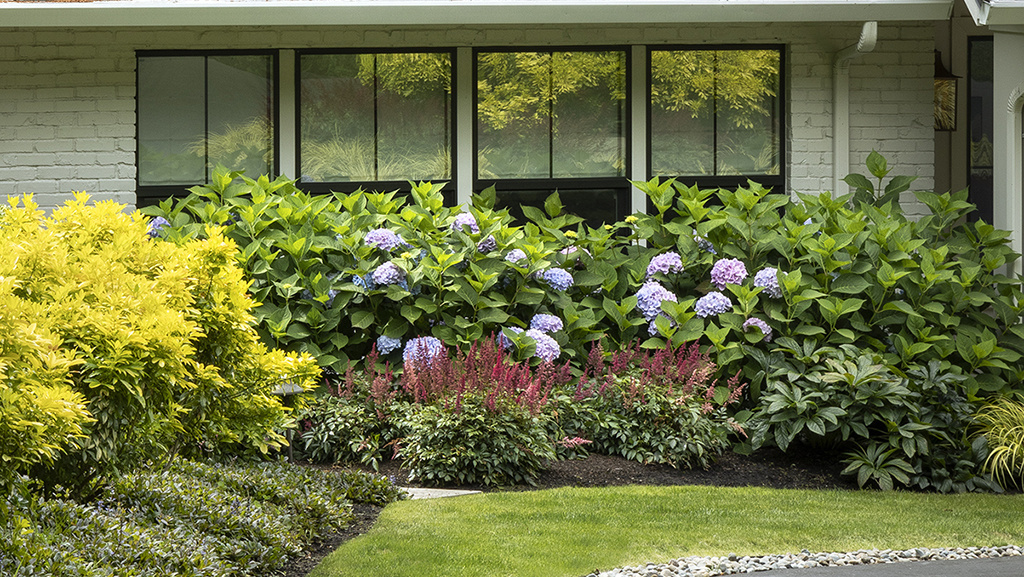
With its white, feathery flowers and gentle mounding form, this species of Astilbe adds particular softness to the garden. Though happy in containers, it needs colorful perennials for added dimension. For a naturalized look around a backyard pool, try a sweeping curve of Deutschland Astilbe amongst a large rock or two and some spreading or climbing groundcover.
Companion Plants
This white Astilbe looks lovely with the dramatic orange flowers and deep green leaves of Kaffir Lily (Clivia miniata 'French Hybrid') in a container placed on a patio. Also pretty with Catlin's Giant Carpet Bugle (Ajuga reptans 'Catlin's Giant'), a carpet-like groundcover with deep blue flowers, and lacy Crested Lady Fern (Athyrium filix femina 'Cristatum') in a backyard pool landscape.
History
Astilbes are grouped into the Saxifragaceae, named from the Greek for non-shining to describe the foliage. Of the 14 species, most are from Asia and North America. A. x arendsii hybrids were developed by H. A. Arends, a contemporary 20th century German nurseryman and breeder. They are primarily derived from A. chinensis var. Davidii, which is native to a huge range spanning both China and Mongolia. Other species involved include A. simplicifolia, A. japonica, A. thunbergii and A. astilboides.
Lore
Astilbes were originally grown for the cut flower industry in both Europe and Asia.
Graceful, airy mounds with showy plumes of feathery flowers. Good in pots and tubs. Nice colorful landscape accent in moist areas, such as around pools and water features. Herbaceous perennial.
Care Information
Provide moist, well drained soil. Follow a regular watering schedule during the first growing season to establish a deep, extensive root system. For a neat appearance, remove old foliage before new leaves emerge. Divide clumps every 2 to 3 years in early spring.
Design Ideas
With its white, feathery flowers and gentle mounding form, this species of Astilbe adds particular softness to the garden. Though happy in containers, it needs colorful perennials for added dimension. For a naturalized look around a backyard pool, try a sweeping curve of Deutschland Astilbe amongst a large rock or two and some spreading or climbing groundcover.
Companion Plants
This white Astilbe looks lovely with the dramatic orange flowers and deep green leaves of Kaffir Lily (Clivia miniata 'French Hybrid') in a container placed on a patio. Also pretty with Catlin's Giant Carpet Bugle (Ajuga reptans 'Catlin's Giant'), a carpet-like groundcover with deep blue flowers, and lacy Crested Lady Fern (Athyrium filix femina 'Cristatum') in a backyard pool landscape.
History
Astilbes are grouped into the Saxifragaceae, named from the Greek for non-shining to describe the foliage. Of the 14 species, most are from Asia and North America. A. x arendsii hybrids were developed by H. A. Arends, a contemporary 20th century German nurseryman and breeder. They are primarily derived from A. chinensis var. Davidii, which is native to a huge range spanning both China and Mongolia. Other species involved include A. simplicifolia, A. japonica, A. thunbergii and A. astilboides.
Lore
Astilbes were originally grown for the cut flower industry in both Europe and Asia.
| Botanical Pronunciation: | a-STIL-bee ar-END-see-eye |
| Key feature: | Shade Loving |
| Plant type: | Perennial |
| Garden style: | Cottage |
| Deciduous/evergreen: | Herbaceous |
| Cold hardiness zones: | 4 - 9 |
| Light needs: | Full to partial shade |
| Sunset climate zones: | 1 - 7, 14 - 17, 32 - 45 |
| Water Needs: | Needs wet or constantly moist soil. |
| Average landscape size: | Mounds less than 1 ft. tall, 3 ft. wide; flowers to 2 ft. tall. |
| Growth rate: | Moderate |
| Flower attributes: | Flowers for Cutting, Showy Flowers |
| Special features: | Attracts Butterflies, Deer Resistant |
| Landscape uses: | Border, Container, Firescaping/Fire Wise, Very Wet Areas, Water Garden |
| Flower color: | White |
| Blooms: | Summer |
| Foliage color: | Green |
| Item no.: | 0351 |