
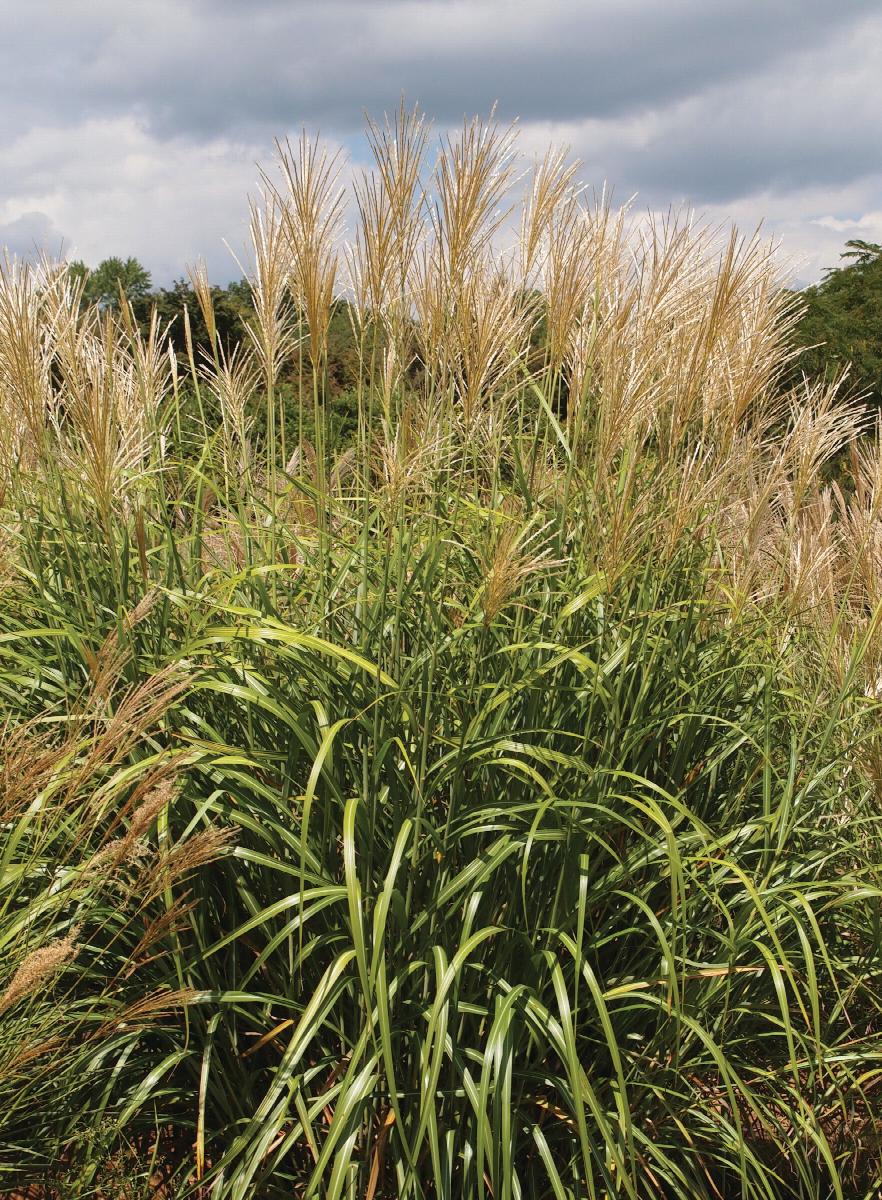
My Fair Maiden™ Maiden Grass
Miscanthus sinensis 'NCMS1' PP #26,387
Pronunciation: miss-KANTH-us sy-NEN-sis
SKU #41620
| Description | A lovely vase shape composed of a large cluster of cascading green leaves. As summer draws to a close, the showy plumes take center stage, as they glisten and shine in the sunlight high above the foliage. Nearly sterile with a notably low seed set. Use for textural contrast in perennial and shrub beds, or a dramatic background to the landscape. |
|---|---|
| Light | Full sun |
| Watering | Water when top 2 inches of soil is dry. |
| Blooms | Fall |
| Mature Size | Reaches 6 to 8 ft. tall, 4 to 5 ft. wide. |
| Deciduous/Evergreen | Herbaceous |
|---|---|
| Special Features | Easy Care, Waterwise, Benefits Birds |
| Problems/Solutions | Coastal Exposure, Deer Resistant, Erosion Control, Drought Tolerant |
| Growth Rate | Moderate |
| Patent Act | Asexual reproduction of plants protected by the Plant Patent Act is prohibited during the life of the patent. |
| Landscape Use | Border, Privacy Screen |
|---|---|
| Design Ideas | This large ornamental grass is an outstanding accent for beds and borders and large rock gardens. Use as a vertical among low-growing plants or have a pair flank a favorite sculpture or classical stone column. Perfect near water gardens as wildlife cover and in conjunction with tiered or wall fountains to disguise mechanical pumps, filters, pipes and wires. |
| Flower Color | White |
| Foliage Color | Green |
| Companion Plants | Ninebark (Physocarpus); Juniper (Juniperus); Potentilla (Potentilla); Aster (Aster); Cranesbill (Geranium); Catmint (Nepeta) |
| Care | Easily grown in average, evenly moist, well-drained, loamy soils. Water deeply and regularly during the first growing season to establish an extensive root system; once established, tolerates moderate dry spells. Cut foliage clumps back to 3 inches above the ground and apply fertilizer in late winter to early spring. |
|---|
This Plant's Growing Zones: 5-9
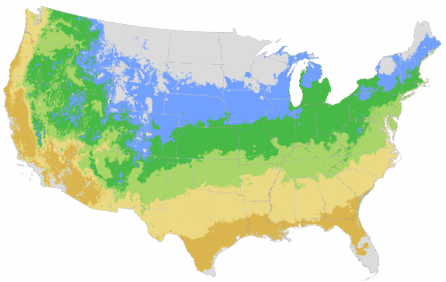
Your USDA Cold Hardiness Zone:
Your climate may be too cold for this plant
Be Inspired
Buy Online
We cannot currently ship this product to your zip code.
Buy Locally
No Retailers found within 50 miles of your zipcode
About Us
We have been pioneers and craftsmen in the art of growing plants for nearly
100 years. Since our founding in Southern California by Harry E. Rosedale, Sr.
in 1926, we have been absolutely dedicated and obsessed with quality.
We have been pioneers and craftsmen in the art of growing plants for nearly 100 years. Since our founding in Southern California by Harry E. Rosedale, Sr. in 1926, we have been absolutely dedicated and obsessed with quality.