
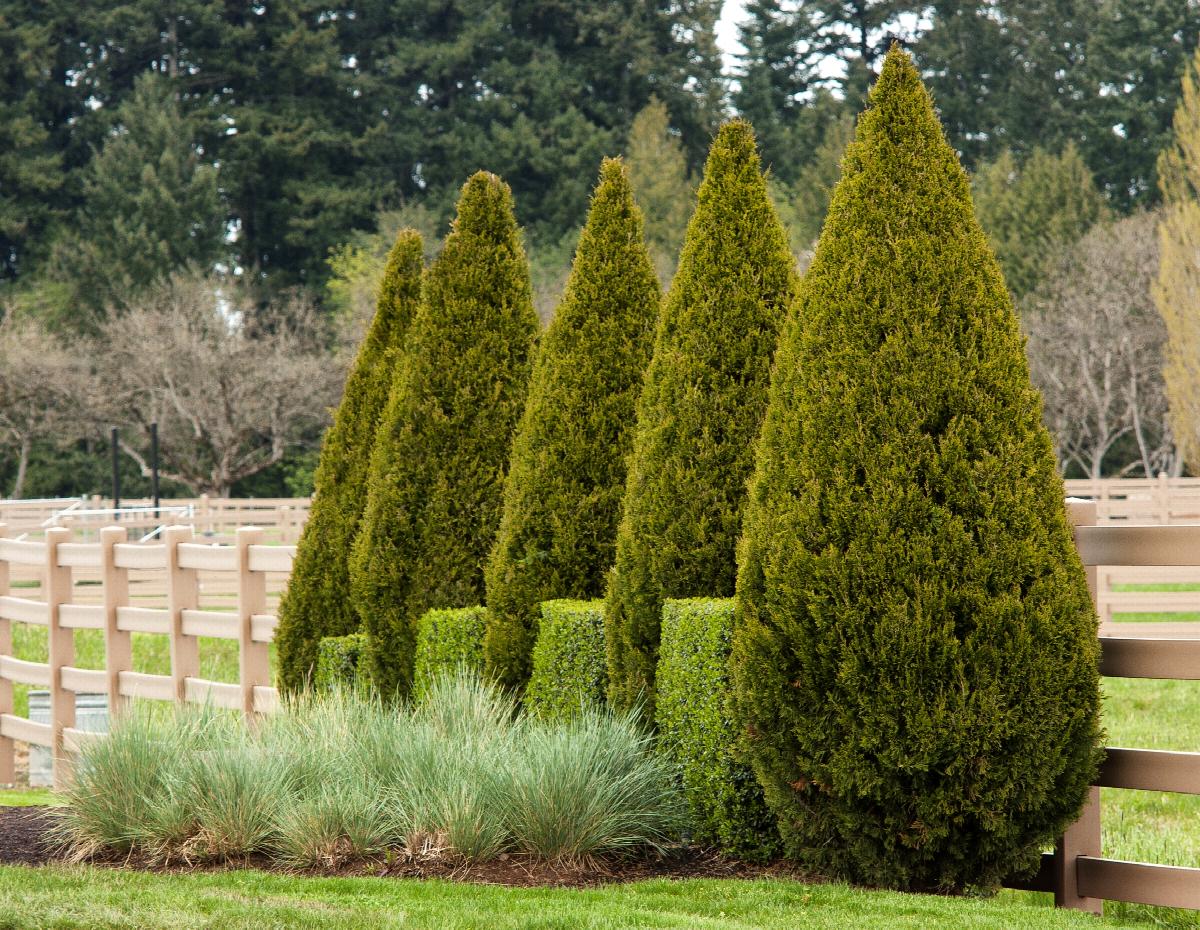
Spartan Juniper
Juniperus chinensis 'Spartan'
Pronunciation: ju-NIP-er-us chi-NEN-sis
SKU #04730
| Description | A handsome, fast growing evergreen that forms a stately, dark green, densely branched column well-suited for use as a formal accent, screen or windbreak. In its natural form, the symmetrical, pyramidal shape rarely needs pruning. An excellent specimen for formal topiary. Tolerates heat, cold and drought. |
|---|---|
| Light | Full sun |
| Watering | Water when top 2 inches of soil is dry. |
| Blooms | Conifer; prized for foliage. |
| Mature Size | Grows 15 ft. tall, 5 ft. wide in natural form. |
| Deciduous/Evergreen | Evergreen |
|---|---|
| Special Features | Waterwise, Fast Growing, Compact Form, Benefits Birds |
| Problems/Solutions | Coastal Exposure, Deer Resistant, Rabbit Resistant, Drought Tolerant, Tolerates Urban Pollution |
| Growth Rate | Moderate |
| Growth Habit | Columnar |
| Landscape Use | Border, Container, Privacy Screen, Windbreak, Suitable for Topiary |
|---|---|
| Design Ideas | Spartan Juniper is the source of the lovely spiraled topiary columns so popular in Mediterranean inspired gardens. A welcome alternative to the tall cypress of Italy, this column of green foliage can be pruned into a variety of topiary forms. Grow them in high quality, heavyweight concrete or ceramic containers for proper scale and stability. Ideal plant for small scale screening and windbreaks. |
| Foliage Color | Dark Green |
| Companion Plants | Lilac (Syringa); Rose (Rosa); Russian Sage (Perovskia); Maiden Grass (Miscanthus); Barberry (Berberis) |
| Care | Highly adaptable and easy to grow in most well-drained soils; avoid overly wet conditions. Water deeply, regularly during first growing season to establish an extensive root system. Once established, reduce frequency; tolerates mild drought. Apply a slow-release fertilizer before new growth begins in spring. Prune annually to shape. |
|---|
| Lore | J. chinensis is native to northeast Asia, including China, Mongolia, Japan, Korea and parts of Russia. The Chinese have grown the species for centuries and produced a number of their own garden cultivars before the plant was "discovered" by the west. The genus Juniperus was classified in 1767, but taxonomic confusion resulted with the introduction of other forms from China that are technically the same species but more accurately subspecies and cultivars. Further cross breeding resulted in a huge array of sizes, forms and colors. The leaves of this juniper are toxic but have been used over the years in certain home remedy ointments. Foliage is repellent to lice, and oils are extracted from the plant and used in traditional insecticides. |
|---|
This Plant's Growing Zones: 4-9
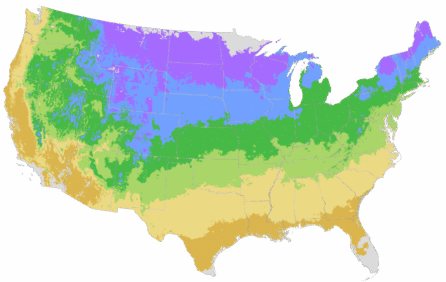
Your USDA Cold Hardiness Zone:
Your climate may be too cold for this plant


Buy Online
We cannot currently ship this product to your zip code.
Buy Locally
No Retailers found within 50 miles of your zipcode
About Us
We have been pioneers and craftsmen in the art of growing plants for nearly
100 years. Since our founding in Southern California by Harry E. Rosedale, Sr.
in 1926, we have been absolutely dedicated and obsessed with quality.
We have been pioneers and craftsmen in the art of growing plants for nearly 100 years. Since our founding in Southern California by Harry E. Rosedale, Sr. in 1926, we have been absolutely dedicated and obsessed with quality.