Mint Julep® Juniper
Juniperus chinensis 'Monlep'
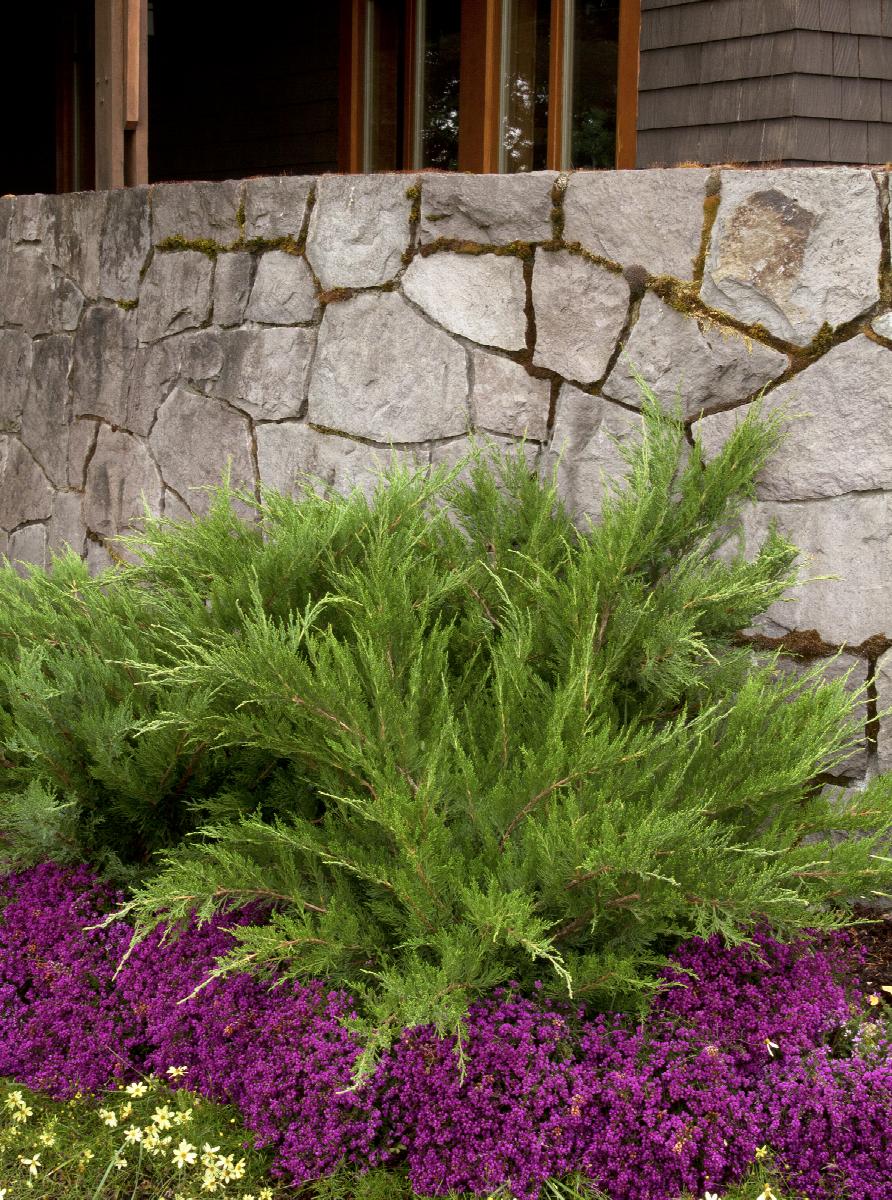
A standout because of its brilliant mint green foliage displayed on a beautiful arching form. A constant performer in all climates in shrub borders, mass plantings or on the fringe of natural areas. Evergreen.
| Botanical Pronunciation: | ju-NIP-er-us chi-NEN-sis |
| Key feature: | Easy Care Plant |
| Plant type: | Conifer |
| Garden style: | Asian/Zen |
| Deciduous/evergreen: | Evergreen |
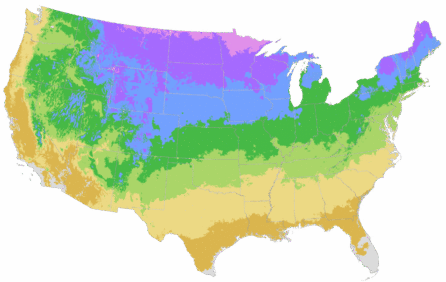
| Cold hardiness zones: | 3 - 9 |
| Light needs: | Full sun |
| Sunset climate zones: | 1 - 45 |
| Water Needs: | Once established, needs only occasional watering. |
| Average landscape size: | Moderate growing 4 to 6 ft. tall, 6 to 8 ft. wide. |
| Growth rate: | Moderate |
| Growth habit: | Compact |
| Special features: | Attracts Birds, Easy Care, Waterwise, Year-round Interest |
| Landscape uses: | Border, Erosion Control, Mass Planting, Seacoast Exposure, Topiary, Windbreak |
| Blooms: | Does not flower |
| Foliage color: | Green |
| Item no.: | 4800 |
| Retailers for this plant: |
Care Information
Follow a regular watering schedule during the first growing season to establish a deep, extensive root system. Watering can be reduced after establishment. Feed with a general purpose fertilizer before new growth begins in spring. Pruning time: summer.
Design Ideas
A informal shrub that is highly adapted to topiary forms. Use as a rugged hedge along driveways and to divide properties. Helpful barrier to shield more sensitive planting from winter wind and snow drift. Provides solid foliage to mask crawl spaces and utilities in foundation planting. Blend with gold and bronze evergreens in mixed shrub borders. The spreading form is an ideal bank cover for erosion control.
Companion Plants
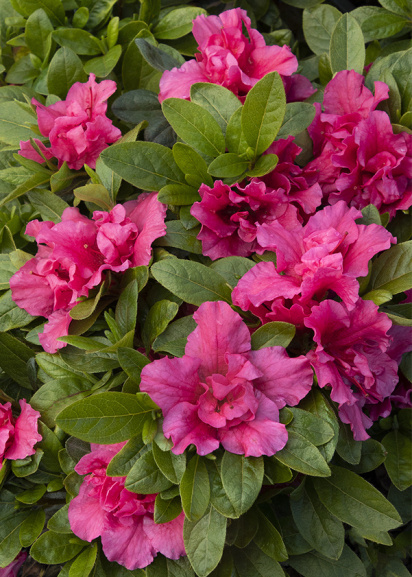
For more traditional mixed borders combine with bold, hardy flowering shrubs like Lilac, Rose, Rose of Sharon and Azalea. For a colorful foliage border concentrate on the gold and bronze foliage of Juniper, Arborvitae, Euonymus, Barberry, and Ninebark. As a topiary, especially in a stone container, group with Rosemary, Lavender, and Clematis.
History
This uniquely colored cultivar was introduced in 1961 by Monrovia. It is a variation of the species, J. chinensis, a tree that can reach sixty feet tall in its native mountain ranges of northern and central China, which illustrates why it is so naturally cold hardy. The Chinese have grown the species for centuries and produced a number of their own garden cultivars before the plant was "discovered" by the west. The genus Juniperus was classified in 1767, but taxonomic confusion resulted with the introduction of other forms from China that are technically the same species but more accurately subspecies and cultivars. Further cross breeding resulted in a huge array of sizes, forms and colors. The leaves of this juniper are toxic but have been used over the years in certain home remedy ointments. Foliage is repellent to lice, and oils are extracted from the plant and used in traditional insecticides.
Videos Featuring the Mint Julep® Juniper
Topiaries (02:01)
Topiary trees are hotter than ever. Our plant expert Nicholas Staddon...
A standout because of its brilliant mint green foliage displayed on a beautiful arching form. A constant performer in all climates in shrub borders, mass plantings or on the fringe of natural areas. Evergreen.
Care Information
Follow a regular watering schedule during the first growing season to establish a deep, extensive root system. Watering can be reduced after establishment. Feed with a general purpose fertilizer before new growth begins in spring. Pruning time: summer.
Design Ideas
A informal shrub that is highly adapted to topiary forms. Use as a rugged hedge along driveways and to divide properties. Helpful barrier to shield more sensitive planting from winter wind and snow drift. Provides solid foliage to mask crawl spaces and utilities in foundation planting. Blend with gold and bronze evergreens in mixed shrub borders. The spreading form is an ideal bank cover for erosion control.
Companion Plants
For more traditional mixed borders combine with bold, hardy flowering shrubs like Lilac, Rose, Rose of Sharon and Azalea. For a colorful foliage border concentrate on the gold and bronze foliage of Juniper, Arborvitae, Euonymus, Barberry, and Ninebark. As a topiary, especially in a stone container, group with Rosemary, Lavender, and Clematis.
History
This uniquely colored cultivar was introduced in 1961 by Monrovia. It is a variation of the species, J. chinensis, a tree that can reach sixty feet tall in its native mountain ranges of northern and central China, which illustrates why it is so naturally cold hardy. The Chinese have grown the species for centuries and produced a number of their own garden cultivars before the plant was "discovered" by the west. The genus Juniperus was classified in 1767, but taxonomic confusion resulted with the introduction of other forms from China that are technically the same species but more accurately subspecies and cultivars. Further cross breeding resulted in a huge array of sizes, forms and colors. The leaves of this juniper are toxic but have been used over the years in certain home remedy ointments. Foliage is repellent to lice, and oils are extracted from the plant and used in traditional insecticides.
| Botanical Pronunciation: | ju-NIP-er-us chi-NEN-sis |
| Key feature: | Easy Care Plant |
| Plant type: | Conifer |
| Garden style: | Asian/Zen |
| Deciduous/evergreen: | Evergreen |
| Cold hardiness zones: | 3 - 9 |
| Light needs: | Full sun |
| Sunset climate zones: | 1 - 45 |
| Water Needs: | Once established, needs only occasional watering. |
| Average landscape size: | Moderate growing 4 to 6 ft. tall, 6 to 8 ft. wide. |
| Growth rate: | Moderate |
| Growth habit: | Compact |
| Special features: | Attracts Birds, Easy Care, Waterwise, Year-round Interest |
| Landscape uses: | Border, Erosion Control, Mass Planting, Seacoast Exposure, Topiary, Windbreak |
| Blooms: | Does not flower |
| Foliage color: | Green |
| Item no.: | 4800 |