
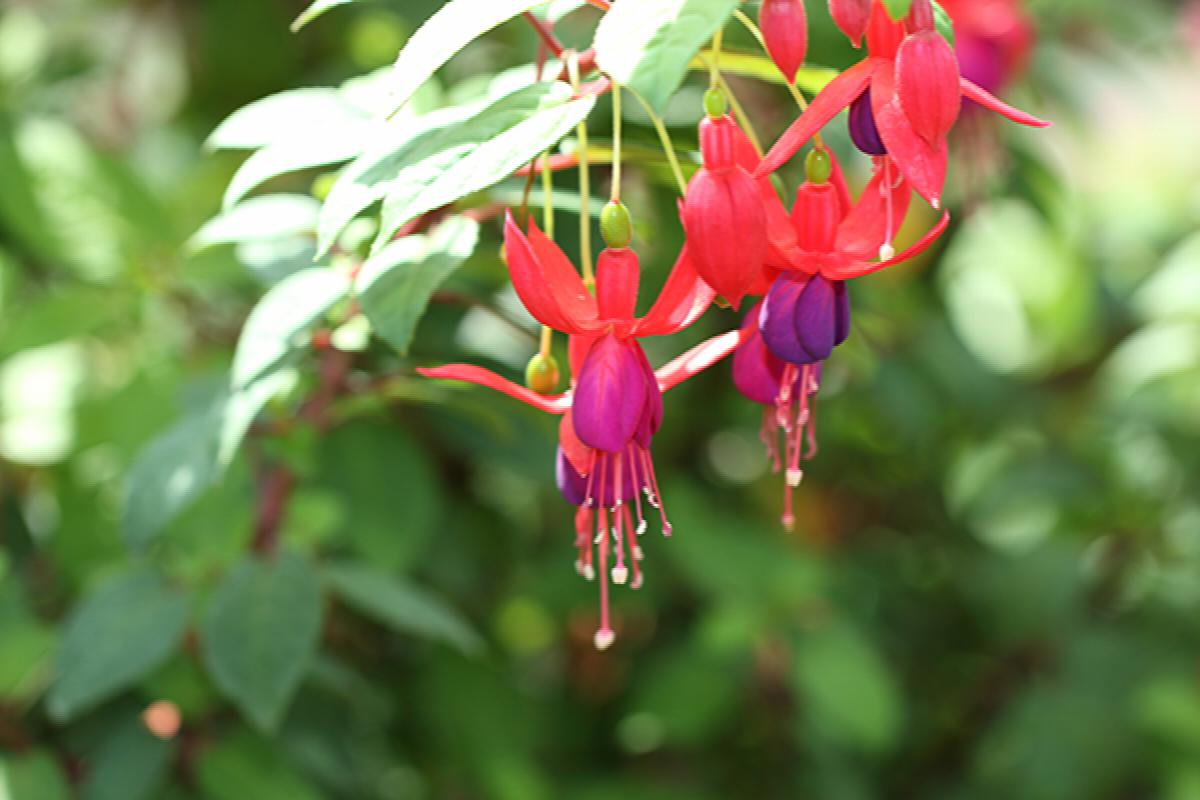
Stand-Up Red Lilac Fuchsia
Fuchsia hybrida 'Stand Up Red LIlac'
Pronunciation: FEW-shuh
SKU #46067
| Description | Selected for its exceptional tolerance to heat and drought, this compact fuchsia boasts beautiful bicolor red and white flowers with showy red stamens, hanging from upright stems. A lovely addition to mixed patio containers. Evergreen in frost-free climates; provides superb warm season color in colder winter areas. |
|---|---|
| Light | Filtered sun, Partial shade, Partial sun |
| Watering | Keep soil surface moist, but not soggy. |
| Blooms | Spring through summer |
| Mature Size | Moderate growing; Reaches 10 in. tall and wide. |
| Special Features | Attracts Butterflies, Attracts Hummingbirds, Easy Care, Non-toxic to Cats and Dogs, Compact Form |
|---|---|
| Growth Rate | Moderate |
| Flower Attributes | Long Bloom Season, Showy Flowers |
| Landscape Use | Border, Container, Accent, Hanging Basket |
|---|---|
| Flower Color | Multicolored |
| Foliage Color | Green |
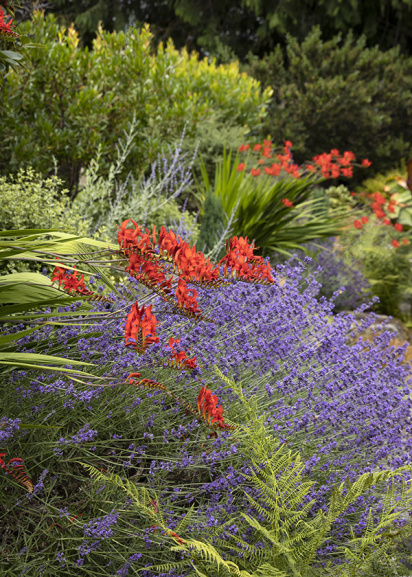
| Companion Plants | Coral Bells (Heuchera); Ligularia (Ligularia); Lungwort (Pulmonaria); Hosta (Hosta); Bleeding Heart (Dicentra) |
| Care | Best in light to half shade settings. Water regularly and thoroughly to keep soil evenly moist; check often during hot summer spells. Clip spent blooms and shape lightly to encourage repeat blooms. Feed twice monthly during growing season. |
|---|
This Plant's Growing Zones: ALL
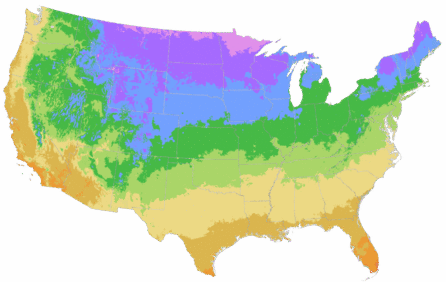
Your USDA Cold Hardiness Zone:
Grow As Annual in All Zones
Buy Online
This plant is not available to purchase online.
We no longer grow this plant. For replacement suggestions, check out the plants “You May Also Like” below.
Buy Locally
No Retailers found within 50 miles of your zipcode
About Us
We have been pioneers and craftsmen in the art of growing plants for nearly
100 years. Since our founding in Southern California by Harry E. Rosedale, Sr.
in 1926, we have been absolutely dedicated and obsessed with quality.
We have been pioneers and craftsmen in the art of growing plants for nearly 100 years. Since our founding in Southern California by Harry E. Rosedale, Sr. in 1926, we have been absolutely dedicated and obsessed with quality.