
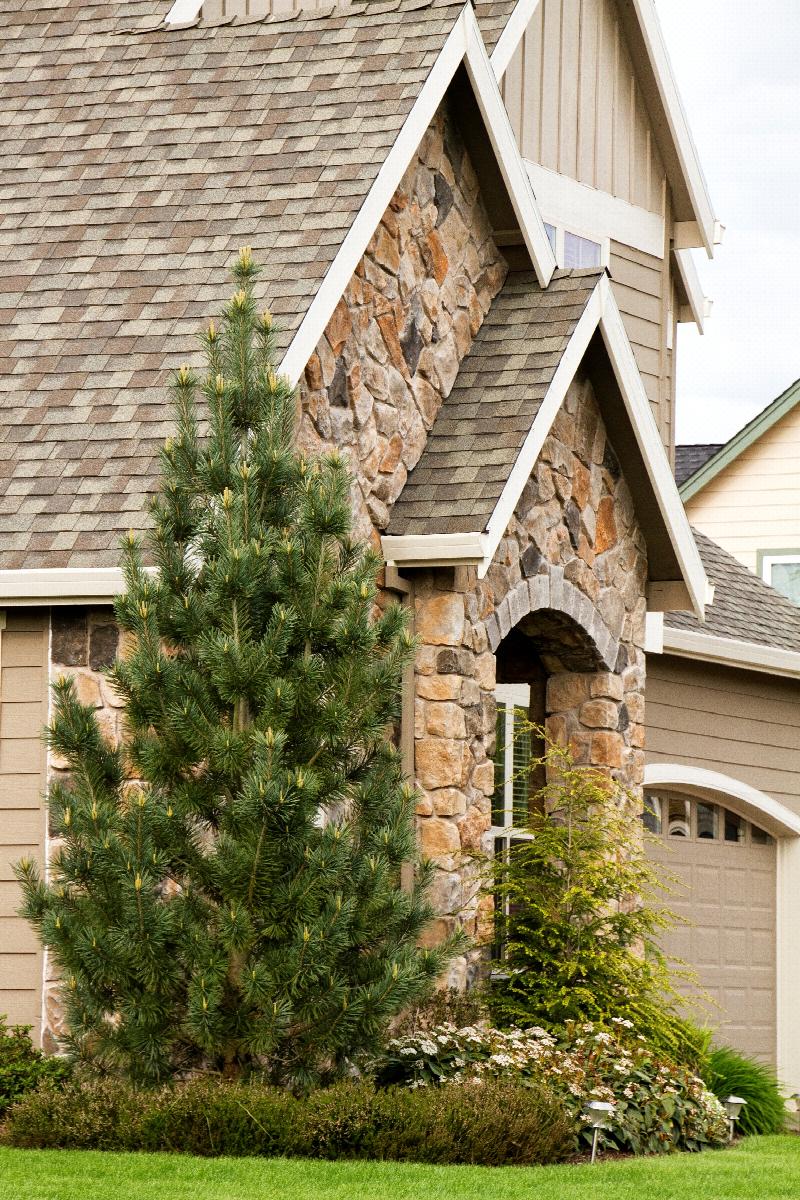
Vanderwolf's Pyramid Limber Pine
Pinus flexilis 'Vanderwolf's Pyramid'
Pronunciation: PY-nus FLEK-sil-is
SKU #06539
| Description | Distinctive, pyramid-shaped pine with long, twisted, silvery blue-green needles covering the dense branches. A superior selection for use as a majestic lawn specimen or landscape accent. Excellent pest and disease resistance. Evergreen. |
|---|---|
| Light | Full sun |
| Watering | Once established water deeply occasionally. |
| Blooms | Conifer; prized for foliage. |
| Mature Size | Slow growing; reaches 20 to 25 ft. tall, 10 to 15 ft. wide. |
| Deciduous/Evergreen | Evergreen |
|---|---|
| Special Features | Easy Care, Improved Pest and Disease Resistance, Showy Fruit, Waterwise, Benefits Birds |
| Problems/Solutions | Deer Resistant, Rabbit Resistant |
| Growth Rate | Slow |
| Growth Habit | Pyramidal |
| Design Ideas | This Pine produces fluffy foliage that resembles a Cedar from a distance. It is remarkably resilient and an important component in Midwestern shelterbelts and windbreaks. Adapts well to dry conditions in the West, both in semidesert and mountain foothill regions where soils are thin and poor. Makes a very graceful single specimen for front yards, parks or expansive estate-sized landscapes. |
|---|---|
| Foliage Color | Blue-green |
| Companion Plants | Maple (Acer); Winterberry (Ilex); Switch Grass (Panicum); Weigela (Weigela); Spruce (Picea) |
| Care | Provide enriched, loamy, well-drained soil. Water deeply and regularly during the first growing season to establish an extensive root system; once established, reduce frequency. Feed with a general purpose fertilizer before new growth begins in spring. Prune only to remove old, damaged or dead branches. |
|---|
This Plant's Growing Zones: 4-7
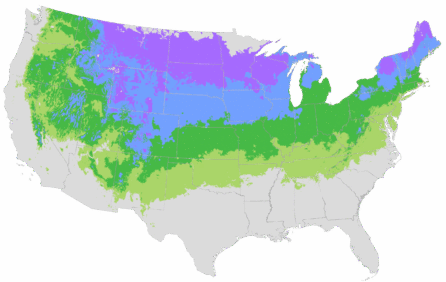
Your USDA Cold Hardiness Zone: 6
Good to grow!
Buy Online
We cannot currently ship this product to your zip code.
Buy Locally
This plant may be available in these stores:
Due to the seasonal nature of plants, availability at your local garden center is not guaranteed. Give them a call before visiting. Please note, not all garden centers participate as delivery locations for online orders.
-
Chapon's Greenhouses 4846 Streets Run Road
Pittsburgh, Pennsylvania 15236 -
Lowe's 690 Waterfront Drive East
Munhall, Pennsylvania 15120 -
Martin's Flowers & Shrubs 5045 Rt. 51 North
Belle Vernon, Pennsylvania 15012
About Us
We have been pioneers and craftsmen in the art of growing plants for nearly
100 years. Since our founding in Southern California by Harry E. Rosedale, Sr.
in 1926, we have been absolutely dedicated and obsessed with quality.
We have been pioneers and craftsmen in the art of growing plants for nearly 100 years. Since our founding in Southern California by Harry E. Rosedale, Sr. in 1926, we have been absolutely dedicated and obsessed with quality.