
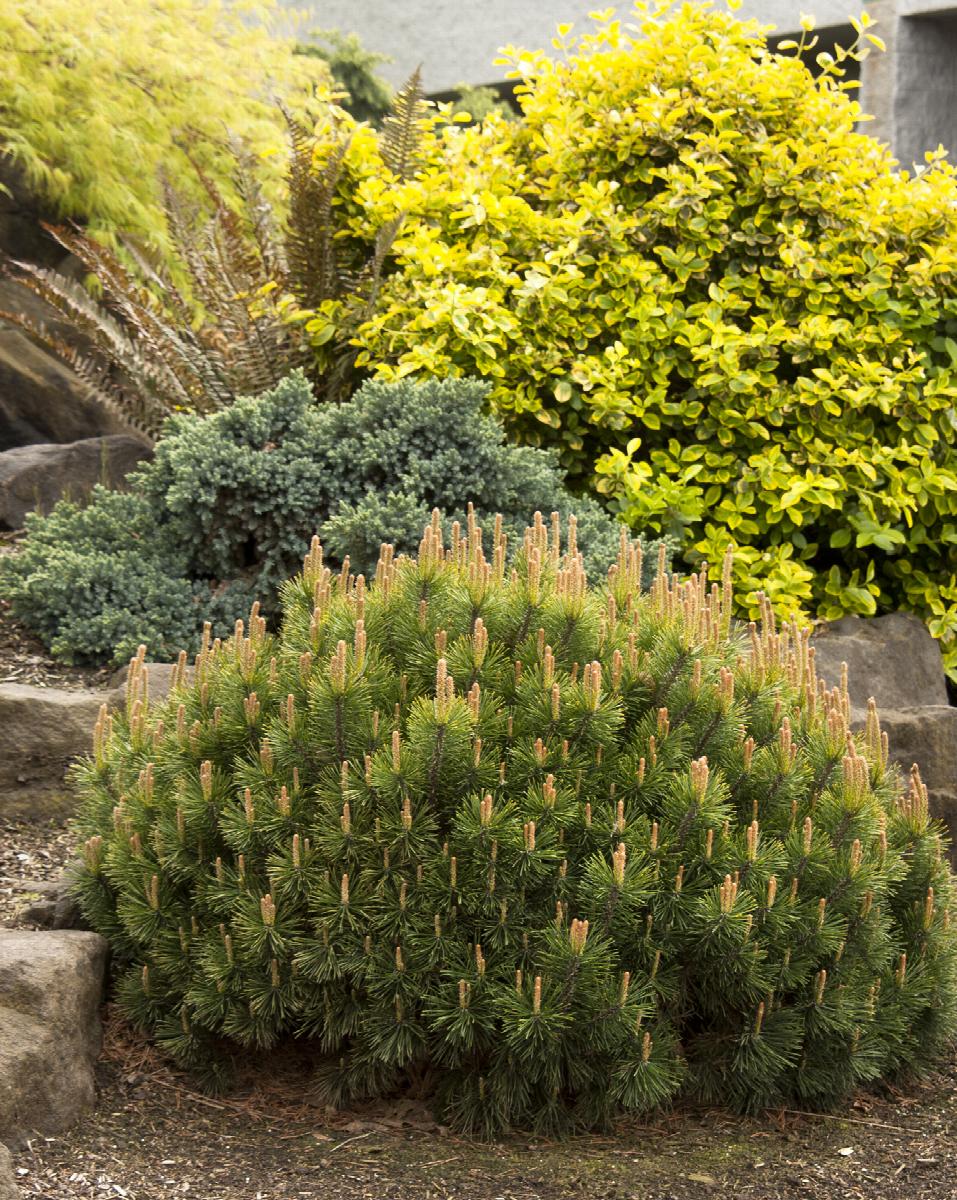
Dwarf Mugo Pine
Pinus mugo var. pumilio
Pronunciation: PY-nus MEW-goh
SKU #06545
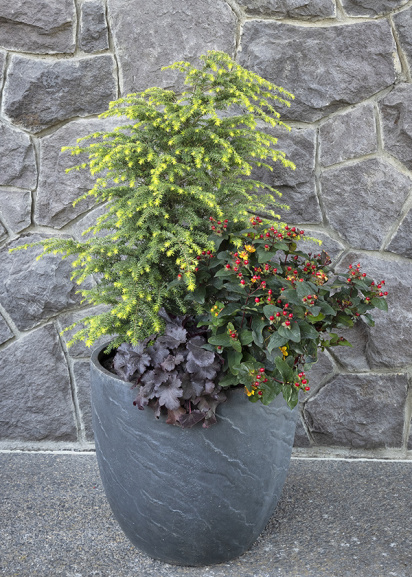
| Description | A popular dwarf conifer displaying dark green needles on dense branches. A very useful, slow growing evergreen for rock gardens, mass plantings, and in mixed groupings with broadleaf plants. Makes a great container specimen. |
|---|---|
| Light | Full sun |
| Watering | Water when top 2 inches of soil is dry. |
| Blooms | Conifer; prized for foliage. |
| Mature Size | Slow growing; reaches 3 to 5 ft. tall, 6 to 10 ft. wide in 10 years. |
| Deciduous/Evergreen | Evergreen |
|---|---|
| Special Features | Easy Care, Showy Fruit, Waterwise, Benefits Birds |
| Problems/Solutions | Deer Resistant, Rabbit Resistant |
| Growth Rate | Slow |
| Growth Habit | Spreading |
| Landscape Use | Border, Container, Suitable for Topiary |
|---|---|
| Design Ideas | Although Mugo Pine can grow taller with age, in the Japanese garden it is very carefully clipped into a neat mounding form. Of the small conifers, this is the easiest to grow in gardens and is often used individually or in small clusters with boulders. Has become popular as an evergreen contrast in perennial borders, but it's best used amidst other dwarf shrubs needing texture variations. |
| Foliage Color | Dark Green |
| Companion Plants | Japanese Maple (Acer); Winterberry (Ilex); Switch Grass (Panicum); Dogwood (Cornus); Barberry (Berberis) |
| Care | Grows easily in enriched, loamy and well-drained soils. Water deeply and regularly during the first growing season to establish an extensive root system; reduce frequency, once established. Feed with a general purpose fertilizer before new growth begins in spring. |
|---|
This Plant's Growing Zones: 2-8
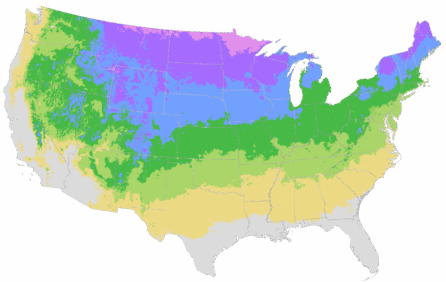
Your USDA Cold Hardiness Zone: 7
Good to grow!
Buy Online
Your plant(s) will ship to the garden center you choose as soon as they meet our quality standards and the garden center schedules a shipment. This can be as little as 21 days, but may take longer depending on the plant growth and your garden center's scheduled shipments.
Please note, not all garden centers participate as delivery locations for online orders.
Buy Locally
This plant may be available in these stores:
Due to the seasonal nature of plants, availability at your local garden center is not guaranteed. Give them a call before visiting. Please note, not all garden centers participate as delivery locations for online orders.
-
Wenzel Nursery 1015 Ne Spritzenberg Road
College Place, Washington 99324 -
Farmers Exchange, Llc 215 West Canal Drive
Kennewick, Washington 99336 -
Mac's Garden Center 6711 W. Court St.
Pasco, Washington 99301
About Us
We have been pioneers and craftsmen in the art of growing plants for nearly
100 years. Since our founding in Southern California by Harry E. Rosedale, Sr.
in 1926, we have been absolutely dedicated and obsessed with quality.
We have been pioneers and craftsmen in the art of growing plants for nearly 100 years. Since our founding in Southern California by Harry E. Rosedale, Sr. in 1926, we have been absolutely dedicated and obsessed with quality.