
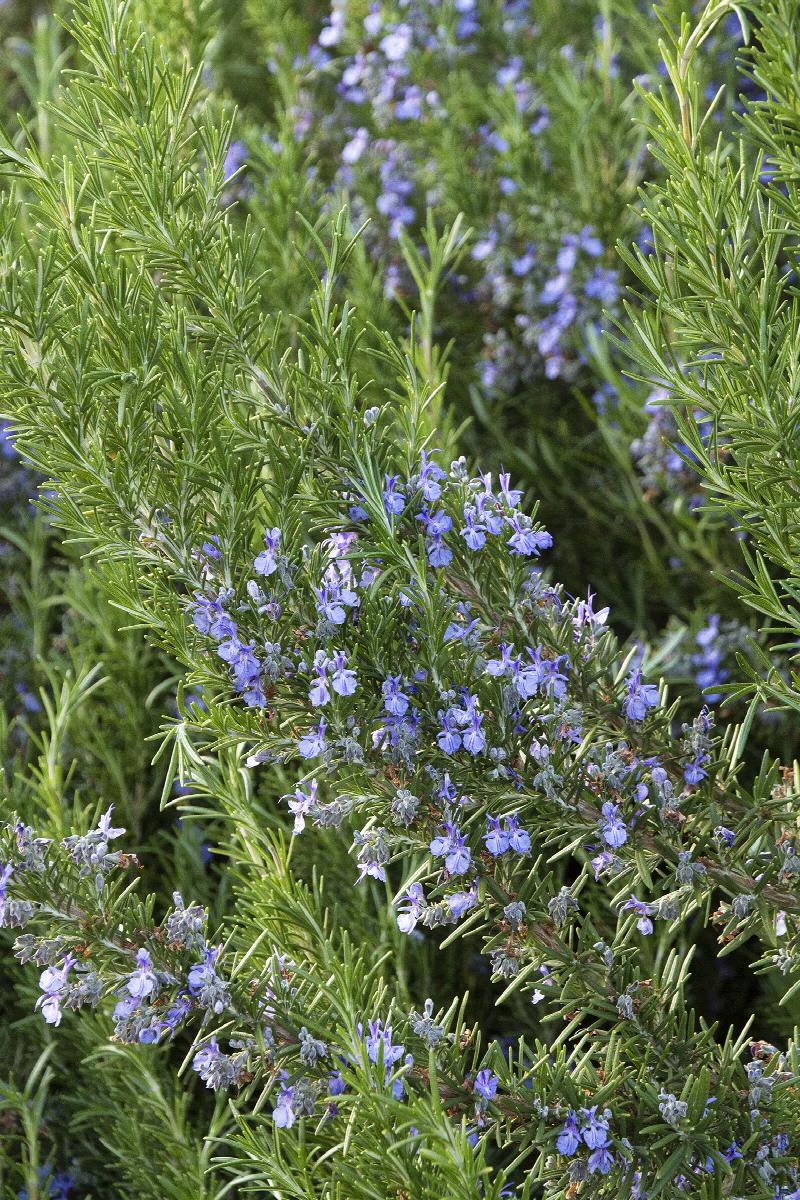
Tuscan Blue Rosemary
Rosmarinus officinalis 'Tuscan Blue'
Pronunciation: rohs-ma-RY-nus oh-fiss-ih-NAH-liss
SKU #07028
| Description | Quickly forms an upright hedge of aromatic, needle-like evergreen foliage. Profuse clear blue flowers add a charming effect. Leaves can be used as a flavorful herb in cooking. Takes to pruning well, but is equally wonderful when left in natural rustic form without pruning. A great choice for screening or in carefree, waterwise gardens. |
|---|---|
| Light | Full sun |
| Watering | Once established water during dry spells. |
| Blooms | Spring through summer |
| Mature Size | Moderate growing; reaches 6 ft. tall, 2 to 4 ft. wide. |
| Deciduous/Evergreen | Evergreen |
|---|---|
| Special Features | Easy Care, Waterwise, Non-toxic to Cats and Dogs, Edible |
| Problems/Solutions | Coastal Exposure, Deer Resistant, Rabbit Resistant |
| Growth Rate | Moderate |
| Growth Habit | Upright |
| Flower Attributes | Showy Flowers |
| Landscape Use | Border, Container, Hedge |
|---|---|
| Design Ideas | Plant as a fragrant, pruned hedge or natural growing screen. Use the trimmings in the kitchen. Place at the rear of mixed beds close to your outdoor living space or between windows as a foundation plant to take advantage of its wonderful fragrance. A must in a Mediterranean garden. Place in full sun for the healthiest plant. |
| Flower Color | Blue |
| Foliage Color | Green |
| Companion Plants | Fig (Ficus); Bay Laurel (Laurus); Pomegranate (Punica); Lavender (Lavandula); Meyer Lemon (Citrus) |
| Care | Thrives in loose, well-drained, neutral to slightly acidic soils. Water deeply, regularly during first growing season to establish an extensive root system; reduce frequency once established. Avoid excess winter moisture. Needs little care; may be fertilized lightly in spring. Prune to maintain desired shape. |
|---|
| Lore | Rosmarinus officinalis has been a part of garden lore for centuries. In ancient times rosemary was believed to strengthen memory; in literature and folklore it is an emblem of remembrance and fidelity. In Shakespeare's Hamlet, Ophelia says, "There's Rosemary...that's for remembrance." Rich in aromatic oil, rosemary releases its fragrance when walked upon or crushed. In medieval times, it was thrown on the floor to mask body odor and poor sanitation practices. Medieval gardeners used it to ward away evil spirits. It was also used to season and disguise the taste and smell of gamy meat. Today, Rosemary is used for potpourri, medicinal tea, and as a culinary herb. |
|---|
This Plant's Growing Zones: 8-11
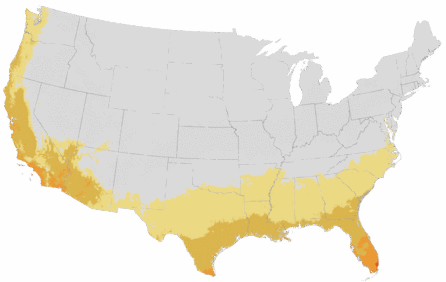
Your USDA Cold Hardiness Zone: 8
Good to grow!
Buy Online
Your plant(s) will ship to the garden center you choose as soon as they meet our quality standards and the garden center schedules a shipment. This can be as little as 21 days, but may take longer depending on the plant growth and your garden center's scheduled shipments.
Please note, not all garden centers participate as delivery locations for online orders.
Buy Locally
This plant may be available in these stores:
Due to the seasonal nature of plants, availability at your local garden center is not guaranteed. Give them a call before visiting. Please note, not all garden centers participate as delivery locations for online orders.
-
Lowe's 1510 West Joe Harvey Boulevard
Hobbs, New Mexico 88240 -
Rio Grace LLC 4 Crockett Road
Lovington, New Mexico 88260 -
Lowe's 4101 East 42nd, Suite P
Odessa, Texas 79762
About Us
We have been pioneers and craftsmen in the art of growing plants for nearly
100 years. Since our founding in Southern California by Harry E. Rosedale, Sr.
in 1926, we have been absolutely dedicated and obsessed with quality.
We have been pioneers and craftsmen in the art of growing plants for nearly 100 years. Since our founding in Southern California by Harry E. Rosedale, Sr. in 1926, we have been absolutely dedicated and obsessed with quality.