
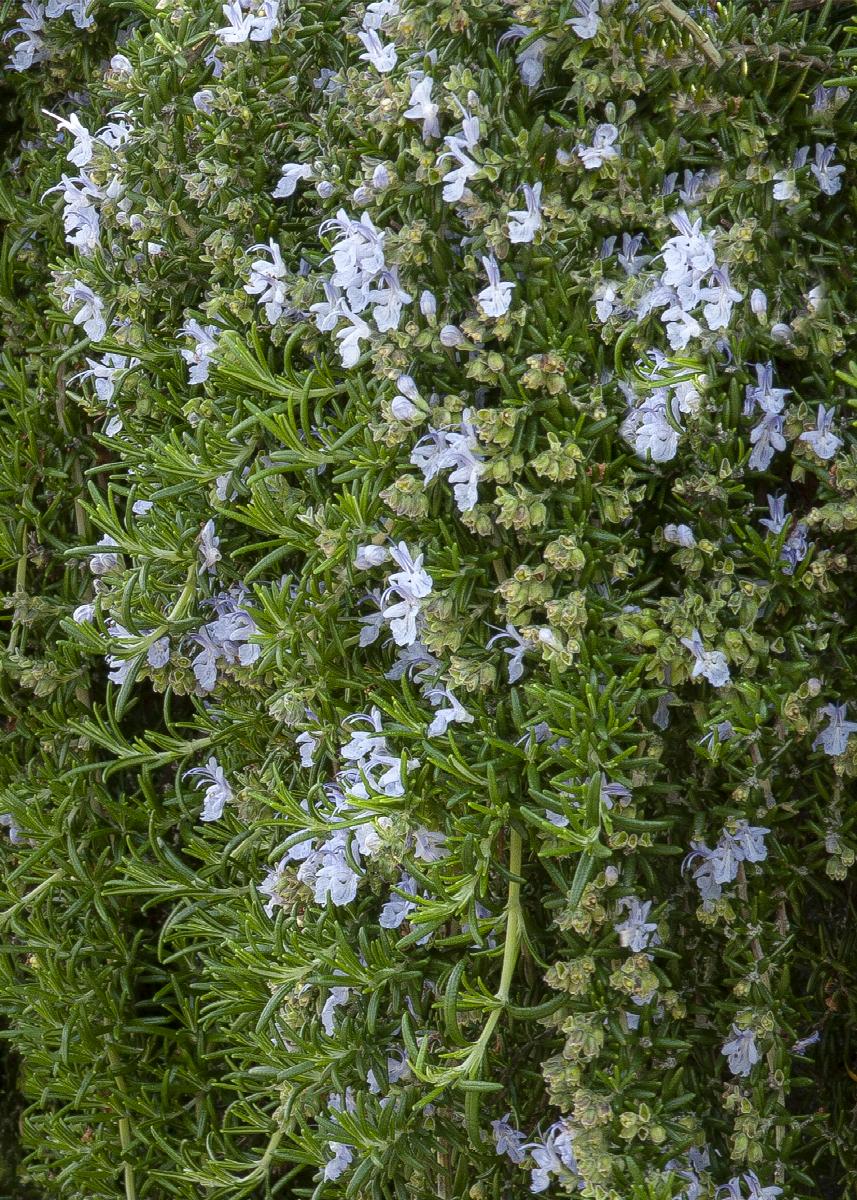
Huntington Carpet Rosemary
Rosmarinus officinalis 'Huntington Carpet'
Pronunciation: rohs-ma-RY-nus oh-fiss-ih-NAH-liss
SKU #07032
| Description | A beautiful carpet of deep blue flowers backed by green, needle-like foliage that forms an attractive spreading groundcover. This waterwise evergreen shrub is outstanding for cascading from retaining walls or planters and is very useful in erosion control on banks and slopes. The aromatic leaves are often used as a flavorful culinary seasoning. |
|---|---|
| Light | Full sun |
| Watering | Once established water during dry spells. |
| Blooms | Early spring |
| Mature Size | Quickly reaches 1 to 2 ft. tall, 8 ft. wide. |
| Deciduous/Evergreen | Evergreen |
|---|---|
| Special Features | Easy Care, Waterwise, Non-toxic to Cats and Dogs, Edible, Fast Growing |
| Problems/Solutions | Coastal Exposure, Deer Resistant, Erosion Control, Rabbit Resistant |
| Growth Rate | Fast |
| Growth Habit | Spreading |
| Flower Attributes | Showy Flowers |
| Landscape Use | Border, Container, Ground Cover, Hillside |
|---|---|
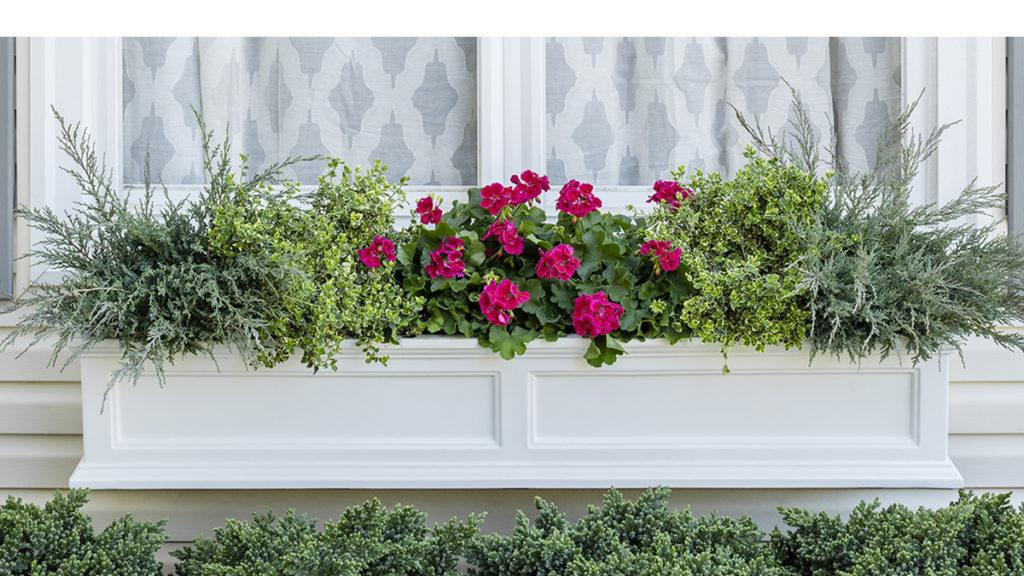
| Design Ideas | This is an excellent groundcover for sunny banks or along paths. It is also a fine addition to containers, where it will spill over the edges. Plant in a Mediterranean or culinary garden in the foreground of hedges or the interior of parterres. |
| Flower Color | Blue |
| Foliage Color | Green |
| Companion Plants | Lavender (Lavandula); Bay Laurel (Laurus); Pomegranate (Punica); Olive (Olea); Meyer Lemon (Citrus) |
| Care | Thrives in loose, well-drained, neutral to slightly acidic soils. Water deeply, regularly during first growing season to establish an extensive root system; reduce frequency once established. As a groundcover space plants 5 ft. apart, or closer for faster coverage. Control weeds with mulch until the plants cover the area. |
|---|
This Plant's Growing Zones: 8-10
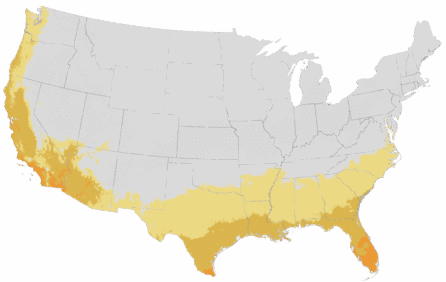
Your USDA Cold Hardiness Zone: 8
Good to grow!
Buy Online
Your plant(s) will ship to the garden center you choose as soon as they meet our quality standards and the garden center schedules a shipment. This can be as little as 21 days, but may take longer depending on the plant growth and your garden center's scheduled shipments.
Please note, not all garden centers participate as delivery locations for online orders.
From $24.99
Buy Locally
This plant may be available in these stores:
Due to the seasonal nature of plants, availability at your local garden center is not guaranteed. Give them a call before visiting. Please note, not all garden centers participate as delivery locations for online orders.
-
Lowe's 1000 Ne Wood Village Boulevard
Wood Village, Oregon 97060 -
Tony's Garden Center - Damascus 23950 Se Highway 212
Damascus, Oregon 97089 -
Drake's 7 Dees Nursery 16519 S.e. Stark St.
Portland, Oregon 97233
About Us
We have been pioneers and craftsmen in the art of growing plants for nearly
100 years. Since our founding in Southern California by Harry E. Rosedale, Sr.
in 1926, we have been absolutely dedicated and obsessed with quality.
We have been pioneers and craftsmen in the art of growing plants for nearly 100 years. Since our founding in Southern California by Harry E. Rosedale, Sr. in 1926, we have been absolutely dedicated and obsessed with quality.