
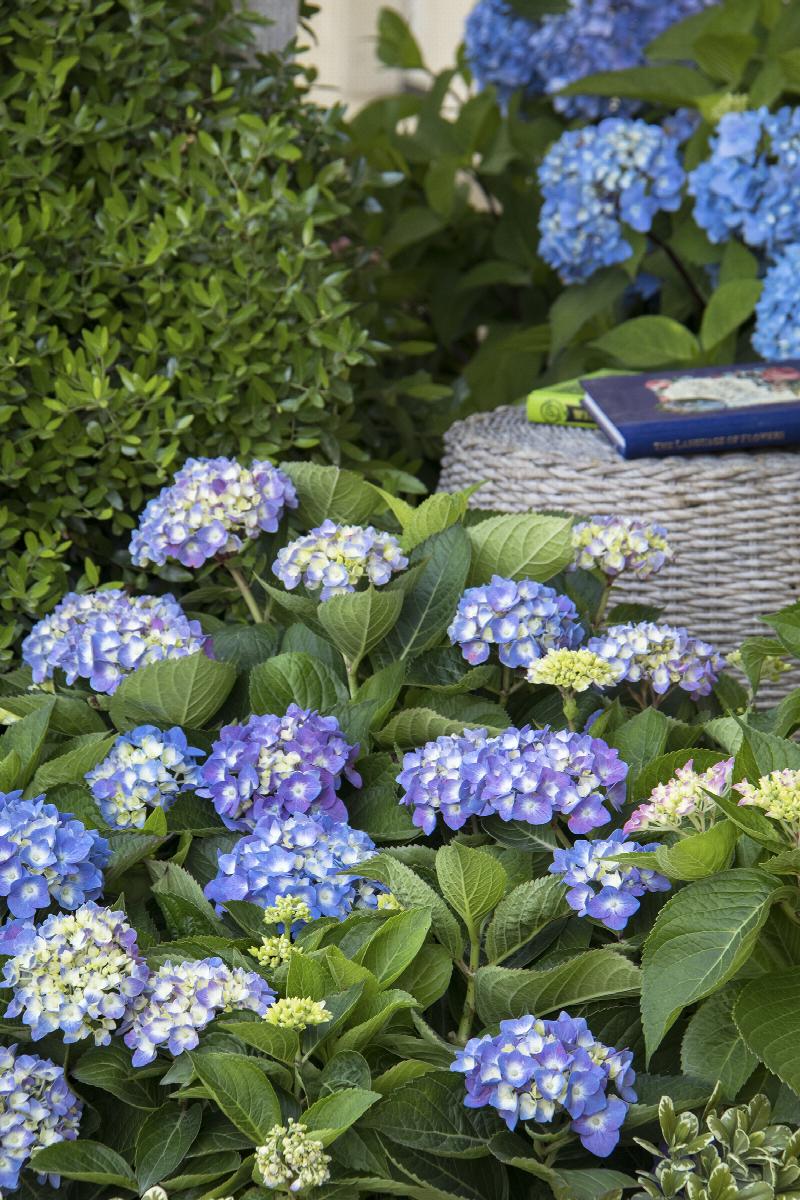
Seaside Serenade® Cape Cod Hydrangea
Hydrangea macrophylla 'HMUPSI' PP #28,974
Pronunciation: hy-DRAIN-juh mak-roh-FIL-uh
SKU #40984
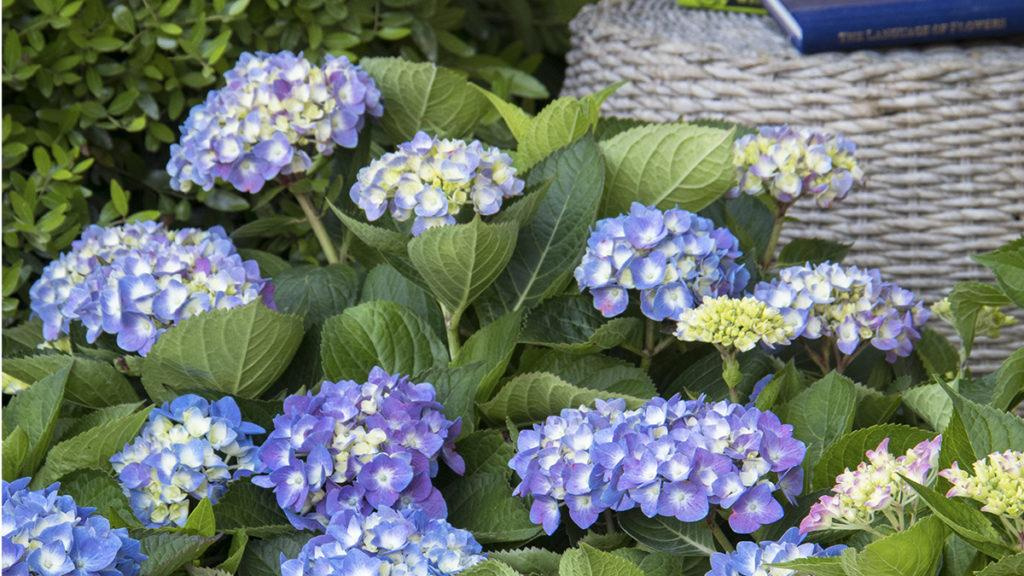
| Description | A new classic for small spaces! A hardy, repeat blooming machine with big, mophead flowers, extra-dark green leaves, and a neat, mounded form. Perfect for foundations and borders. Harvest blooms for long-lasting cut floral arrangements. Blue florets in acidic soils, or pink in neutral to alkaline soils. An exclusive Monrovia 2017 introduction. Deciduous. |
|---|---|
| Light | Filtered sun, Partial shade, Partial sun |
| Watering | Keep soil moist but not soggy. |
| Blooms | Spring, repeating through summer. |
| Mature Size | Quickly reaches 4 ft. tall and wide. |
| Deciduous/Evergreen | Deciduous |
|---|---|
| Special Features | Easy Care, Fast Growing, Compact Form |
| Problems/Solutions | Coastal Exposure |
| Growth Rate | Fast |
| Flower Attributes | Flowers for Cutting, Repeat Flowering, Showy Flowers |
| Patent Act | Asexual reproduction of plants protected by the Plant Patent Act is prohibited during the life of the patent. |
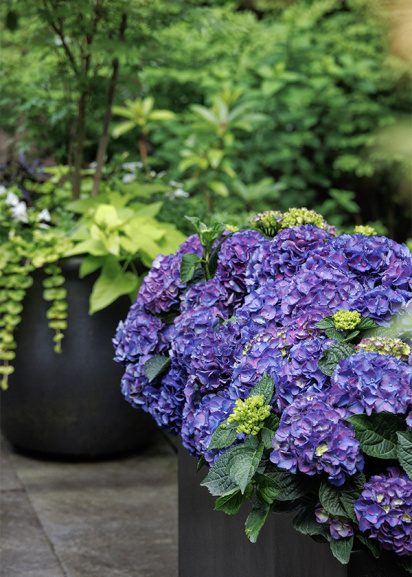
| Landscape Use | Border, Container, Hedge |
|---|---|
| Design Ideas | Hydrangeas are a gorgeous foundation plant, large enough for solid color throughout the growing season, with a bonus of gorgeous flowers. Plant in problem acidic soils beneath canopies of shade trees or even smaller accent trees. Very bright flowers are attention-getters at focal points, and planting in groups intensifies this overall effect. Good for edging outdoor living spaces with cooling, rich green foliage and close up appreciation of huge flower trusses. A vital component of a florist's or crafter's landscape when massed to provide plentiful cutting material. |
| Flower Color | Pink |
| Foliage Color | Dark Green |
| Companion Plants | Rhododendron (Rhododendron); Holly (Ilex); Hosta (Hosta); Rose of Sharon (Hibiscus); Sweetspire (Itea) |
| Care | Provide enriched, well-drained soil that is moist but not soggy. Apply mulch to conserve moisture and protect in harsh winters. Water deeply, regularly in first growing season to establish root system. Once established, water as needed to maintain evenly moist soil. Feed in early spring. Deadhead spent blooms; prune dead or weak stems as needed. |
|---|
This Plant's Growing Zones: 4-9
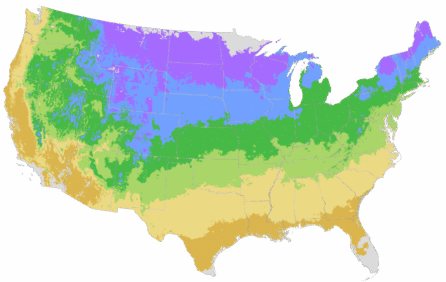
Your USDA Cold Hardiness Zone: 6
Good to grow!

Buy Online
Your plant(s) will ship to the garden center you choose as soon as they meet our quality standards and the garden center schedules a shipment. This can be as little as 21 days, but may take longer depending on the plant growth and your garden center's scheduled shipments.
Please note, not all garden centers participate as delivery locations for online orders.
From $65.00
Buy Locally
This plant may be available in these stores:
Due to the seasonal nature of plants, availability at your local garden center is not guaranteed. Give them a call before visiting. Please note, not all garden centers participate as delivery locations for online orders.
-
Lowe's 2305 Asbury Road
Erie, Pennsylvania 16506-1474 -
Mast's Greenhouse 155 McFarland Lane
Mercer, Pennsylvania 16137 -
Lowe's 940 Niles Cortland Rd.
Warren, Ohio 44484
About Us
We have been pioneers and craftsmen in the art of growing plants for nearly
100 years. Since our founding in Southern California by Harry E. Rosedale, Sr.
in 1926, we have been absolutely dedicated and obsessed with quality.
We have been pioneers and craftsmen in the art of growing plants for nearly 100 years. Since our founding in Southern California by Harry E. Rosedale, Sr. in 1926, we have been absolutely dedicated and obsessed with quality.