El Dorado California Lilac
Ceanothus thyrsiflorus 'Perado' P.P.# 13433
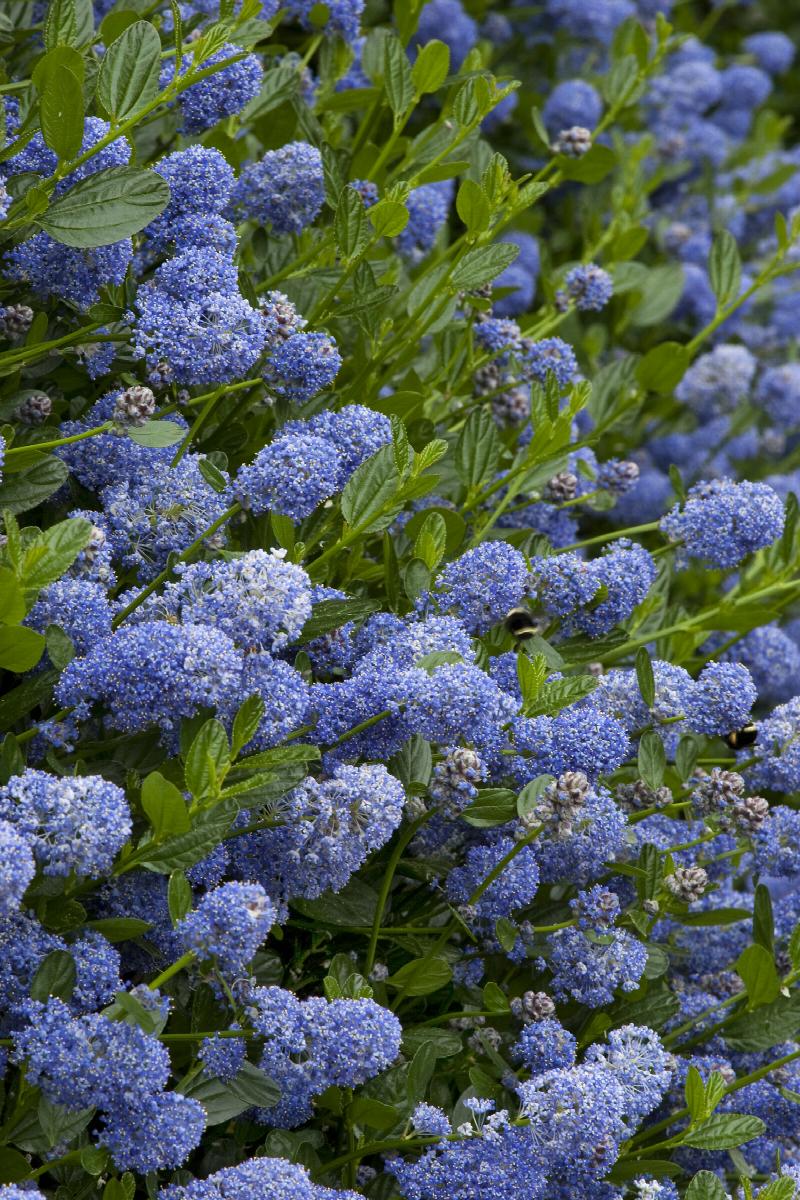
Beautiful lime-yellow variegation provides a striking contrast to the clusters of tiny, medium blue flowers. Foliage does not burn in the heat. An attractive hedge or screen. Evergreen.
| Key feature: | Dramatic Foliage Color |
| Plant type: | Shrub |
| Patent Act: | Asexual reproduction of plants protected by the Plant Patent Act is prohibited during the life of the patent. |
| Garden style: | Mediterranean |
| Deciduous/evergreen: | Evergreen |
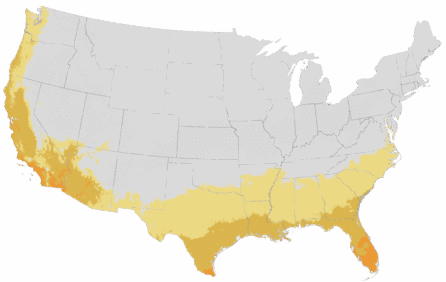
| Cold hardiness zones: | 7 - 11 |
| Light needs: | Partial to full sun |
| Sunset climate zones: | 5 - 9, 14 - 24 |
| Water Needs: | Needs regular watering - weekly, or more often in extreme heat. |
| Average landscape size: | Slow growing to 8 ft. tall and wide. |
| Growth rate: | Slow |
| Growth habit: | Round |
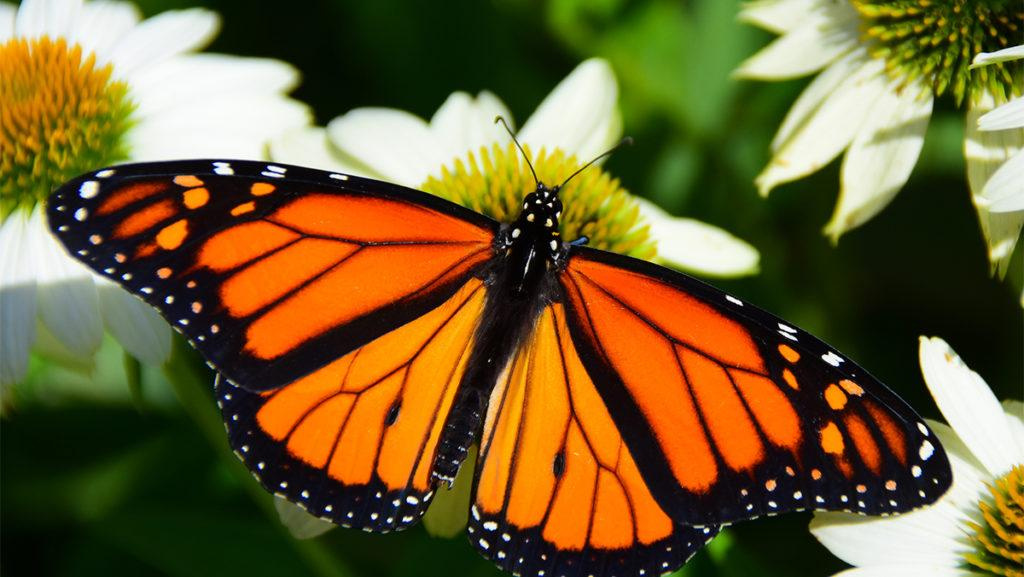
| Special features: | Attracts Butterflies, Deer Resistant, Dramatic Foliage Color, Easy Care, North American Native, Waterwise |
| Landscape uses: | Firescaping/Fire Wise, Seacoast Exposure |
| Flower color: | Blue |
| Blooms: | Spring |
| Foliage color: | Variegated |
| Item no.: | 2307 |
| Retailers for this plant: |
Care Information
Provide well drained soil. Follow a regular watering schedule during the first growing season to establish a deep, extensive root system. Feed with a general purpose fertilizer before new growth begins in spring. For a tidy, neat appearance, shear annually to shape.
Design Ideas
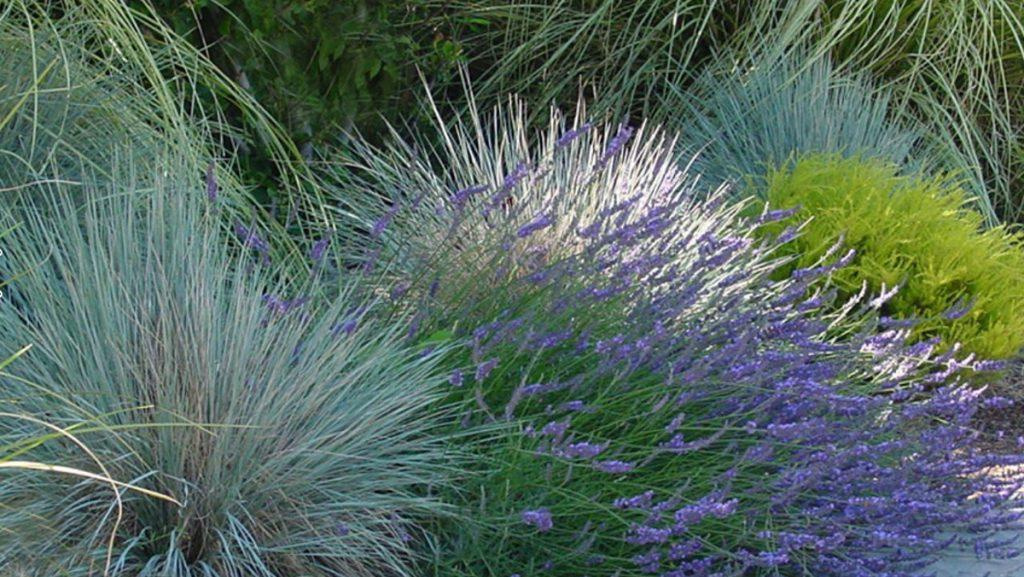
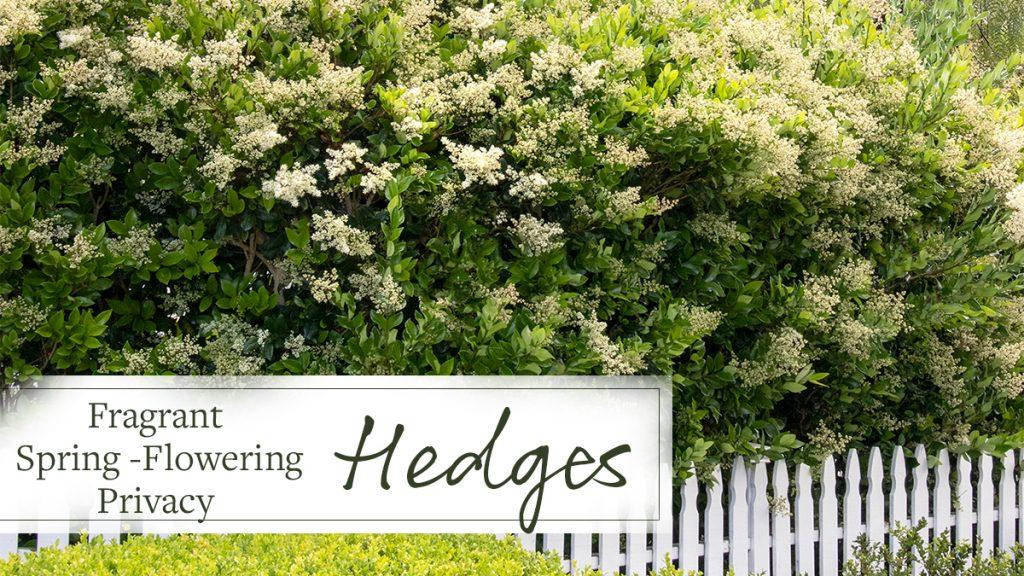
Makes a fine addition to mixed shrub borders for texture, light value foliage and blue floral accent. Superior choice for drought resistant landscapes as structural material and background. Tall enough to create an informal hedge or visual screen for privacy year around. Naturalizes well in the west and blends with other natives from that region in a wild garden setting. Shade tolerance makes an exceptional shrub for sunny spots in woodlands. Superior plant for framing rock waterfalls and fountains in warm winter climates.
History
C. thyrsiflorus is a native of California where it is found in the hill country of the coastal mountain ranges protected from inland heat. This form was discovered in 1996 at Pershore College of Horticulture, Worcestershire, England. Lime-yellow variegation inspired Dave Fross of Native Sons, Arroyo Grande, California to name this cultivar El Dorado, which translates as 'Golden Treasure'.
Lore
The naturally occurring saponifiers in the flowers of Ceanothus shrubs made them valuable soap stuff among the Native American tribes of California where the genus is most densely represented. Exceptionally hard wood also led some species to be used for arrow shafts and other implements.
Beautiful lime-yellow variegation provides a striking contrast to the clusters of tiny, medium blue flowers. Foliage does not burn in the heat. An attractive hedge or screen. Evergreen.
Care Information
Provide well drained soil. Follow a regular watering schedule during the first growing season to establish a deep, extensive root system. Feed with a general purpose fertilizer before new growth begins in spring. For a tidy, neat appearance, shear annually to shape.
Design Ideas
Makes a fine addition to mixed shrub borders for texture, light value foliage and blue floral accent. Superior choice for drought resistant landscapes as structural material and background. Tall enough to create an informal hedge or visual screen for privacy year around. Naturalizes well in the west and blends with other natives from that region in a wild garden setting. Shade tolerance makes an exceptional shrub for sunny spots in woodlands. Superior plant for framing rock waterfalls and fountains in warm winter climates.
History
C. thyrsiflorus is a native of California where it is found in the hill country of the coastal mountain ranges protected from inland heat. This form was discovered in 1996 at Pershore College of Horticulture, Worcestershire, England. Lime-yellow variegation inspired Dave Fross of Native Sons, Arroyo Grande, California to name this cultivar El Dorado, which translates as 'Golden Treasure'.
Lore
The naturally occurring saponifiers in the flowers of Ceanothus shrubs made them valuable soap stuff among the Native American tribes of California where the genus is most densely represented. Exceptionally hard wood also led some species to be used for arrow shafts and other implements.
| Key feature: | Dramatic Foliage Color |
| Plant type: | Shrub |
| Patent Act: | Asexual reproduction of plants protected by the Plant Patent Act is prohibited during the life of the patent. |
| Garden style: | Mediterranean |
| Deciduous/evergreen: | Evergreen |
| Cold hardiness zones: | 7 - 11 |
| Light needs: | Partial to full sun |
| Sunset climate zones: | 5 - 9, 14 - 24 |
| Water Needs: | Needs regular watering - weekly, or more often in extreme heat. |
| Average landscape size: | Slow growing to 8 ft. tall and wide. |
| Growth rate: | Slow |
| Growth habit: | Round |
| Special features: | Attracts Butterflies, Deer Resistant, Dramatic Foliage Color, Easy Care, North American Native, Waterwise |
| Landscape uses: | Firescaping/Fire Wise, Seacoast Exposure |
| Flower color: | Blue |
| Blooms: | Spring |
| Foliage color: | Variegated |
| Item no.: | 2307 |