
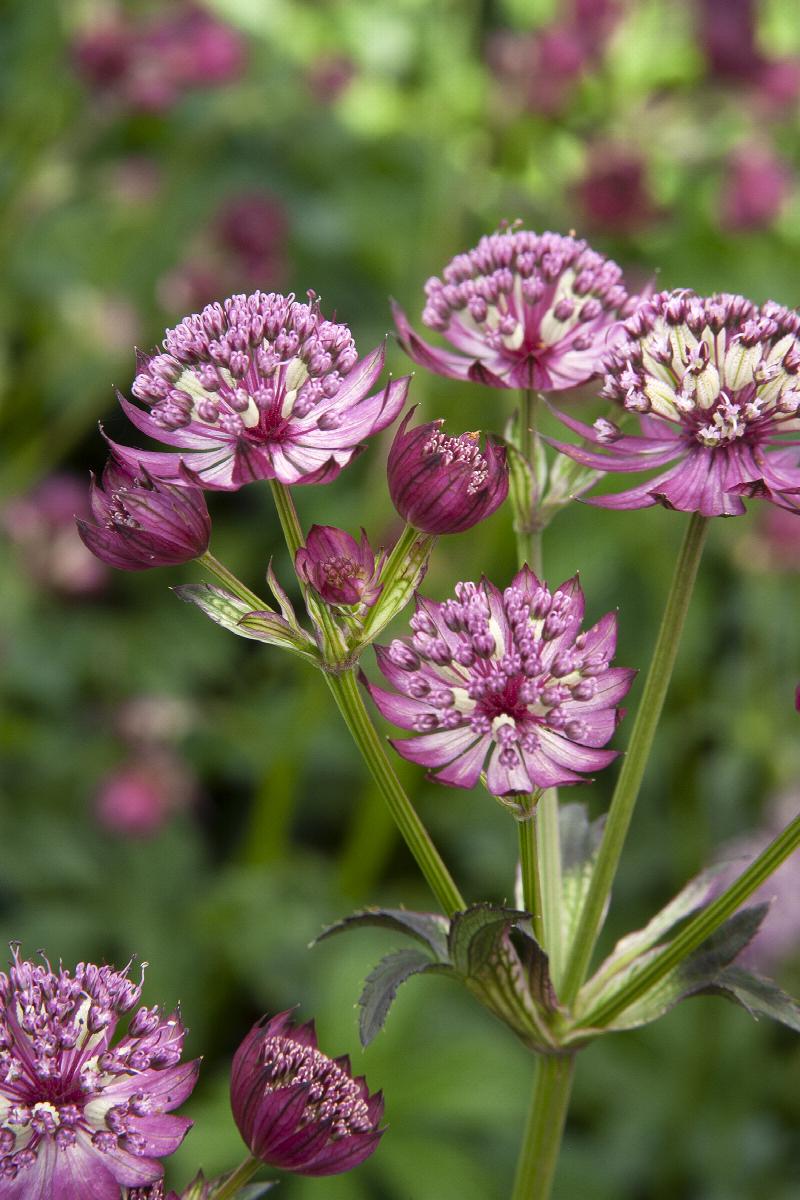
Abbey Road Masterwort
Astrantia major 'Abbey Road' PP #14,961
Pronunciation: as-TRAN-tee-uh MAY-jor
SKU #02319
| Description | A dome of tiny florets with a collar form unusual deep reddish purple flowers on black stems. Basal, divided foliage spreads by underground runners to form a dense clump. Ideal in the perennial border, along streams or naturalized under trees. An herbaceous perennial. |
|---|---|
| Light | Filtered sun, Partial shade, Partial sun |
| Watering | Keep soil consistently moist. |
| Blooms | Early to late summer |
| Mature Size | Low, mounding foliage spreads to 24 in. with flower stems to 28 in. tall. |
| Deciduous/Evergreen | Herbaceous |
|---|---|
| Special Features | Fast Growing |
| Problems/Solutions | Very Wet Areas |
| Growth Rate | Moderate |
| Growth Habit | Mounding |
| Flower Attributes | Flowers for Cutting, Showy Flowers |
| Patent Act | Asexual reproduction of plants protected by the Plant Patent Act is prohibited during the life of the patent. |
| Landscape Use | Border, Ground Cover |
|---|---|
| Design Ideas | The old fashioned casual looks of masterwort is exceptional in cottage and country gardens where it first got its start. An exceptional choice for partially shaded beds where it can spread and sprawl. Exploit its preferences for damp spots in and around tree groves. Blends very naturally into large stands of grasses in wild gardens. Long preferred for stream banks and rock strewn water features. This new cultivar was bred to produce in cutting gardens were its blooms resemble strawflowers. |
| Flower Color | Purple |
| Foliage Color | Green |
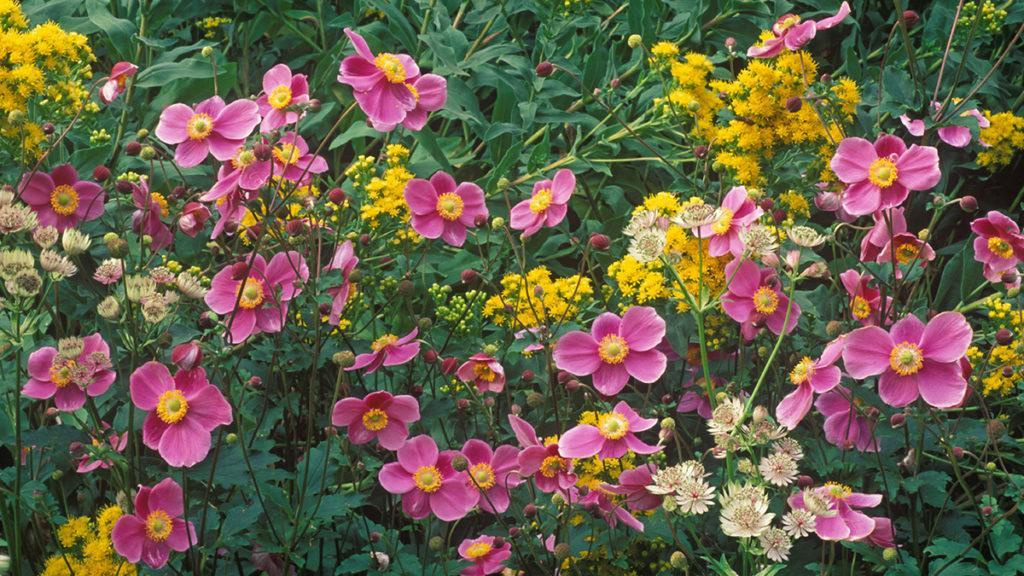
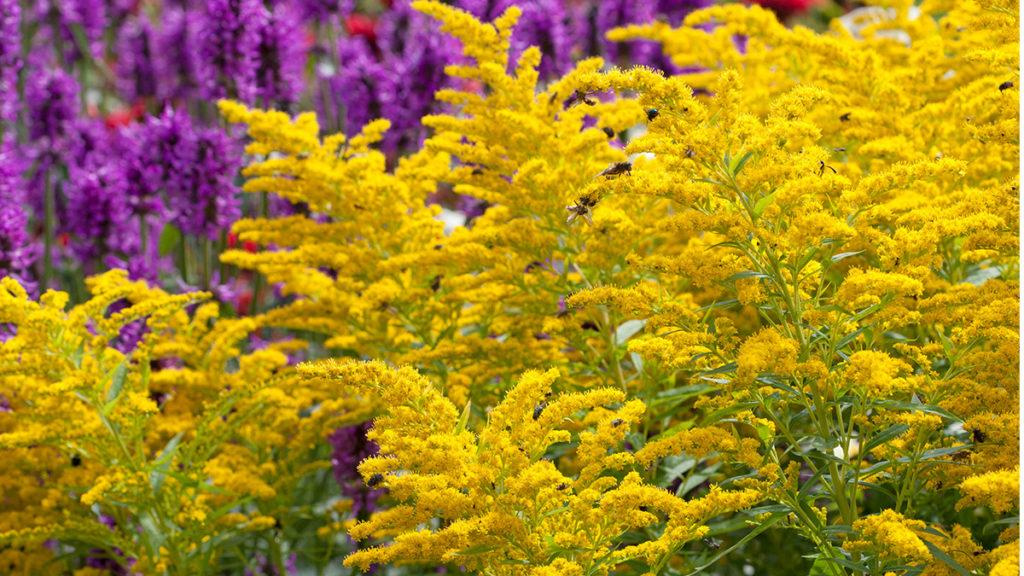
| Companion Plants | Sedge (Carex); Cranesbill (Geranium); Foam Flower (Tiarella); Columbine (Aquilegia); Red Valerian (Centranthus) |
| Care | Prefers moist, well-drained, organically rich soil. Follow a regular watering schedule during the first growing season to establish a deep, extensive root system. For a neat appearance, remove old foliage before new leaves emerge. Divide clumps every 2 to 3 years in early spring. |
|---|
| Lore | Masterwort is a medicinal plant dating back to the middle ages when it was recommended for "the bite of a rabid dog". Though not a contemporary remedy, it's camphor-like oil led to its suggested uses for a half dozen different ailments. |
|---|
This Plant's Growing Zones: 4-7
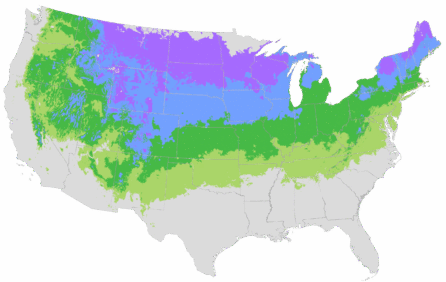
Your USDA Cold Hardiness Zone:
Your climate may be too cold for this plant
Buy Online
We cannot currently ship this product to your zip code.
Buy Locally
No Retailers found within 50 miles of your zipcode
About Us
We have been pioneers and craftsmen in the art of growing plants for nearly
100 years. Since our founding in Southern California by Harry E. Rosedale, Sr.
in 1926, we have been absolutely dedicated and obsessed with quality.
We have been pioneers and craftsmen in the art of growing plants for nearly 100 years. Since our founding in Southern California by Harry E. Rosedale, Sr. in 1926, we have been absolutely dedicated and obsessed with quality.