
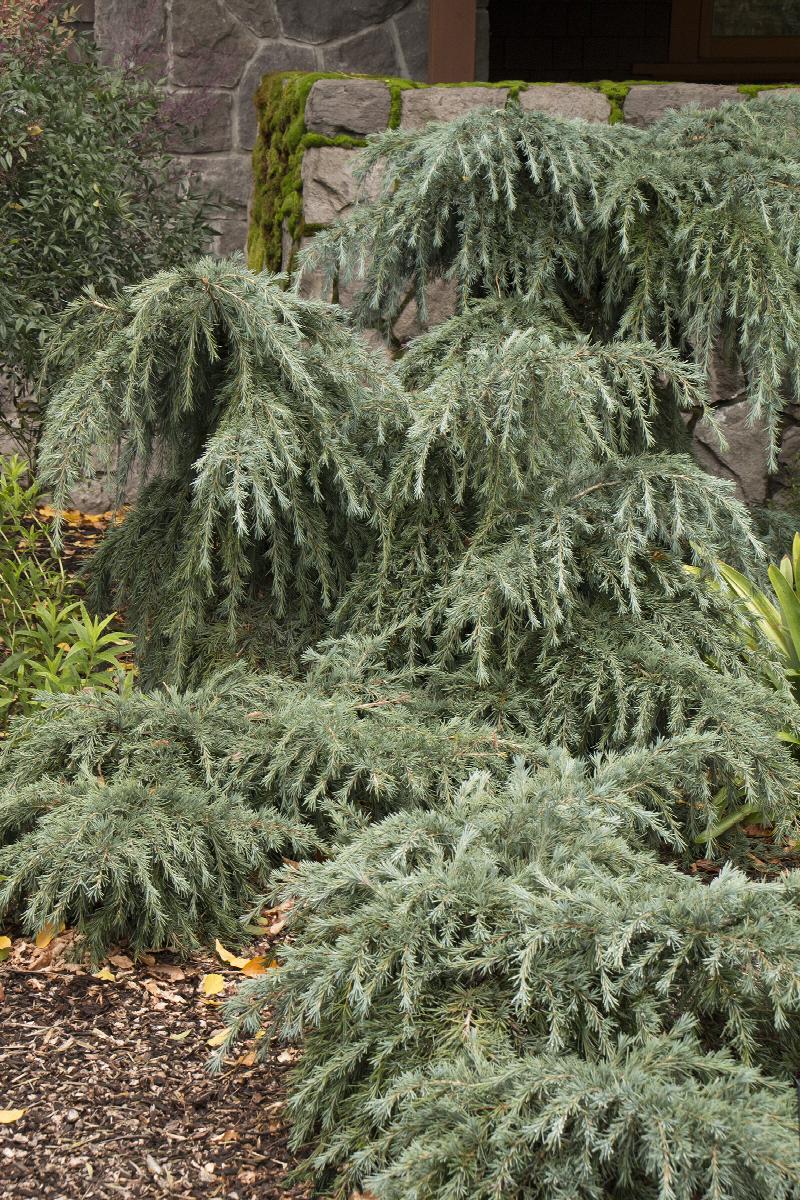
Feelin' Blue Deodar Cedar
Cedrus deodara 'Feelin' Blue'
Pronunciation: SEE-drus dee-oh-DAR-uh
SKU #02328
| Description | The lowest of the dwarf cedars, with a unique spreading form that rarely develops a leader. The intriguing form with blue-green foliage is a wonderful specimen for smaller spaces, rock gardens and containers. An ideal topiary that may be trained into upright or patio tree forms. Winter hardiness into zone 6, with some protection. Evergreen. |
|---|---|
| Light | Full sun |
| Watering | Once established water deeply occasionally. |
| Blooms | Conifer; prized for foliage. |
| Mature Size | Reaches 4 to 5 ft. tall, spreading 6 to 10 ft. wide in 10 years. |
| Deciduous/Evergreen | Evergreen |
|---|---|
| Special Features | Dramatic Foliage Color, Easy Care, Waterwise, Compact Form, Benefits Birds |
| Problems/Solutions | Coastal Exposure, Deer Resistant, Erosion Control, Rabbit Resistant, Tolerates Urban Pollution |
| Growth Rate | Moderate |
| Landscape Use | Container, Windbreak, Suitable for Topiary |
|---|---|
| Design Ideas | Use this bright blue conifer in shrub borders for an injection of carefree cool color. It's a natural for rock gardens nestled into landscape boulders. Irregular form fits nicely into woodland gardens that need relief from too much green. Spot into wild gardens among naturalistic compositions of native shrubs and prairie grasses. Low profile growth makes this creeping shrub a perfect groundcover on banks and slopes or cascading off raised planter edges and retaining walls. A truly eye-catching candidate planted in well chosen, elegant Asian containers. |
| Foliage Color | Blue-green |
| Companion Plants | Japanese Maple (Acer); Fuchsia (Fuchsia); Azalea (Azalea); Magnolia (Magnolia); Camellia (Camellia) |
| Care | Grows easily in a wide range of soil types; avoid poorly drained, soggy sites. Water deeply and regularly during the first few growing seasons to establish an extensive root system; once established, reduce frequency. Feed with a general purpose fertilizer before new growth begins in spring. |
|---|
| Lore | The name deodar translates from the original Sankrit as "timber of the gods". Deodar cedars are among the great aromatic timber woods of antiquity, considered pest resistant and therefore used to create containers to house precious but perishable. |
|---|
This Plant's Growing Zones: 6-9
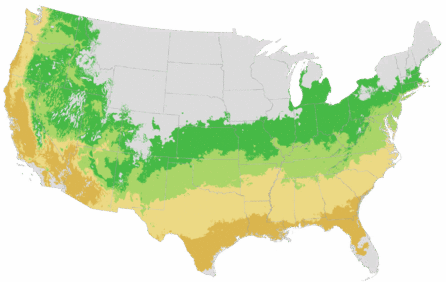
Your USDA Cold Hardiness Zone: 7
Good to grow!
Be Inspired
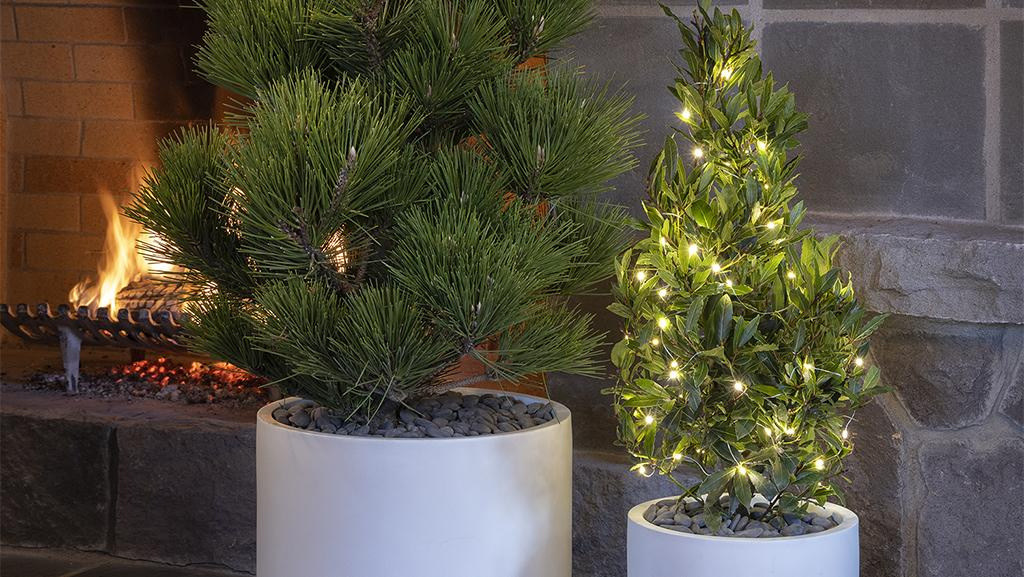
Buy Online
Your plant(s) will ship to the garden center you choose as soon as they meet our quality standards and the garden center schedules a shipment. This can be as little as 21 days, but may take longer depending on the plant growth and your garden center's scheduled shipments.
Please note, not all garden centers participate as delivery locations for online orders.
Buy Locally
This plant may be available in these stores:
Due to the seasonal nature of plants, availability at your local garden center is not guaranteed. Give them a call before visiting. Please note, not all garden centers participate as delivery locations for online orders.
-
Four Seasons Home & Garden 2489 Hwy. 45 South
Jackson, Tennessee 38301
About Us
We have been pioneers and craftsmen in the art of growing plants for nearly
100 years. Since our founding in Southern California by Harry E. Rosedale, Sr.
in 1926, we have been absolutely dedicated and obsessed with quality.
We have been pioneers and craftsmen in the art of growing plants for nearly 100 years. Since our founding in Southern California by Harry E. Rosedale, Sr. in 1926, we have been absolutely dedicated and obsessed with quality.