
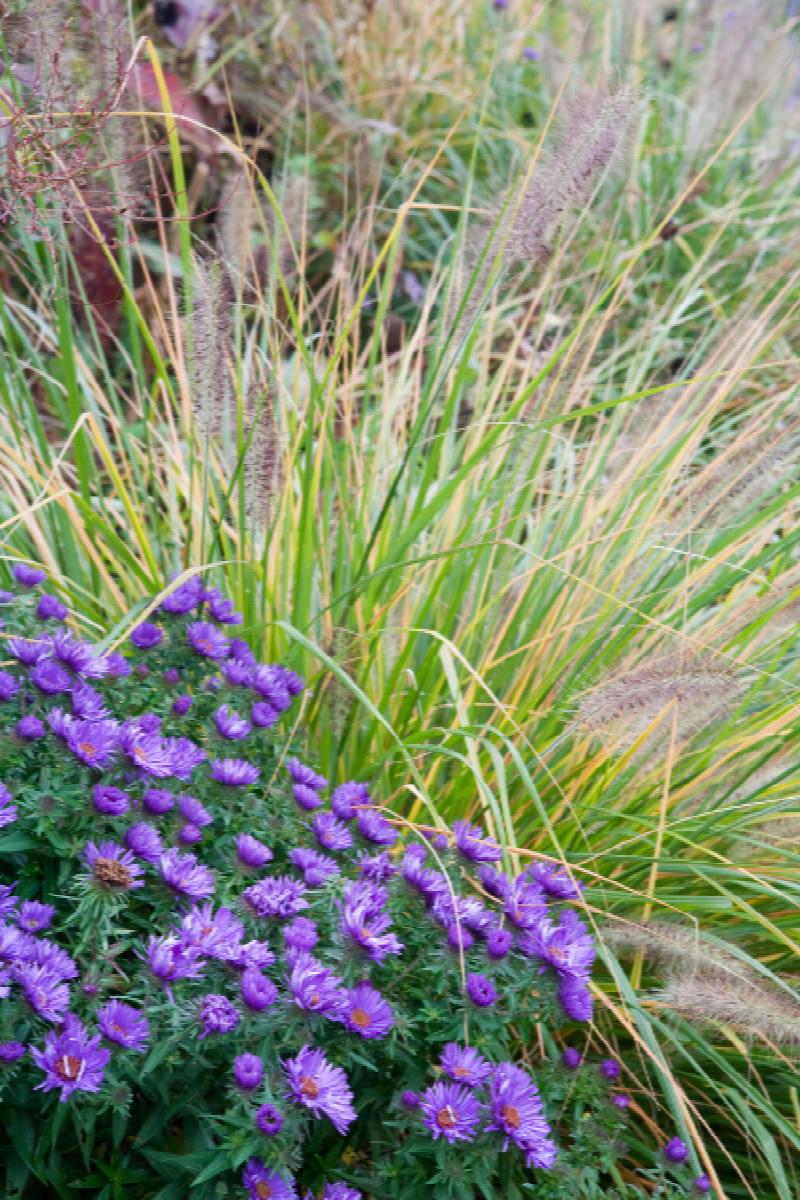
Purple Dome New England Aster
Aster novae-angliae 'Purple Dome'
Pronunciation: ASS-ter NO-vee ANG-lee-ay
SKU #00341
| Description | Mounds of royal purple cover big bushy plants that bloom well into frost-free autumn weather. Easy-care addition to shrub and perennial borders or in roomy pots. Combine with other asters for a multicolored effect. An excellent addition to a cutting garden. An herbaceous perennial. |
|---|---|
| Light | Full sun, Partial sun |
| Watering | Keep soil moist, but not soggy. |
| Blooms | Late summer to early fall |
| Mature Size | Quickly reaches 1 1/2 to 3 ft. tall and wide. |
| Deciduous/Evergreen | Herbaceous |
|---|---|
| Special Features | Attracts Butterflies, Easy Care, Fast Growing |
| Problems/Solutions | Deer Resistant |
| Growth Rate | Fast |
| Growth Habit | Clumping |
| Flower Attributes | Flowers for Cutting, Showy Flowers |
| Landscape Use | Border, Poolside |
|---|---|
| Design Ideas | Valuable late season bloomer for the traditional perennial border. Equally well suited to casual country gardens along picket fences and mixed with spring blooming companions. A native hybrid that belongs in meadow gardens as a nectar source. Use around edges of prairie or above a wetland in an open sunny woodland. Ruggedly adaptable to rock gardens and dry stream beds. Mass like groundcover for a much larger semiformal color mass. |
| Flower Color | Purple |
| Foliage Color | Green |
| Companion Plants | Blanket Flower (Gaillardia); Black-Eyed Susan (Rudbeckia); Fountain Grass (Pennisetum); Coneflower (Echinacea); Blue Fescue (Festuca) |
| Care | Thrives in moist, fertile, slightly acidic, well-drained soils but highly adaptable. Prefers cool summer climates. Water deeply, regularly during the first growing season to establish an extensive root system. For a neat, tidy appearance, remove old foliage before new leaves emerge. Divide clumps every 2 to 3 years in early spring. |
|---|
| Lore | In Britain the aster is known as Michaelmas daisy because it is in bloom during the feast of St. Michael the Archangel, September 29th. |
|---|
This Plant's Growing Zones: 4-8
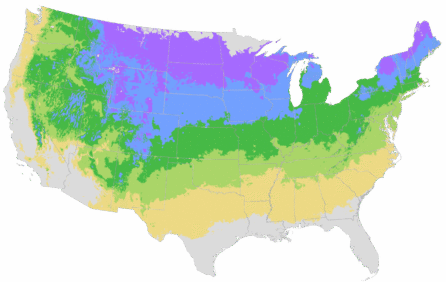
Your USDA Cold Hardiness Zone:
Your climate may be too cold for this plant
Buy Online
This plant is not available to purchase online.
We no longer grow this plant. For replacement suggestions, check out the plants “You May Also Like” below.
Buy Locally
No Retailers found within 50 miles of your zipcode
About Us
We have been pioneers and craftsmen in the art of growing plants for nearly
100 years. Since our founding in Southern California by Harry E. Rosedale, Sr.
in 1926, we have been absolutely dedicated and obsessed with quality.
We have been pioneers and craftsmen in the art of growing plants for nearly 100 years. Since our founding in Southern California by Harry E. Rosedale, Sr. in 1926, we have been absolutely dedicated and obsessed with quality.