
You're growing in this Zip Code:
Change LocationDiscover Plants for Your Area
Exclusive
Corky's Honey Delight® Fig
Ficus carica 'Monandersen'
Pronunciation: FYE-kus KAH-ri-ka
SKU #07760
LIGHT:
Full sun
WATER:
Water deeply when soil is dry.
SIZE:
Moderate growing; reaches 10 to 12 ft. tall and wide.

Retailers Near You
Ready to Grow?
Ship Monrovia plants directly to your door. Browse a curated selection available online.
Shop Now >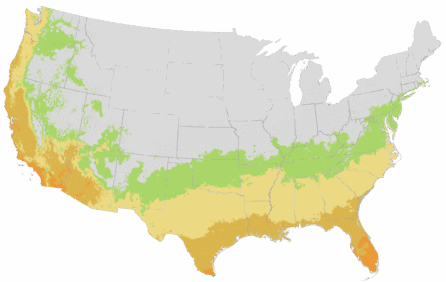
| Description | A semi-dwarf notable for its vigorous habit and bountiful fruit, yielding two crops of succulent green figs each year. Sweet, amber-colored flesh with a flavorful honey note. Thrives in mild coastal areas and warm humid areas, but often hardy and prolific in zones 5 and 6 as well, if planted in a sheltered location. Deciduous. |
|---|---|
| Bloom Time | Inconspicuous; prized for fruit and foliage. |
| Deciduous/Evergreen | Deciduous |
| Special Features | Easy Care, Edible, Fast Growing, Benefits Birds |
| Problems/Solutions | Coastal Exposure, Deer Resistant |
| Growth Rate | Moderate |
| Landscape Use | Container, Espalier |
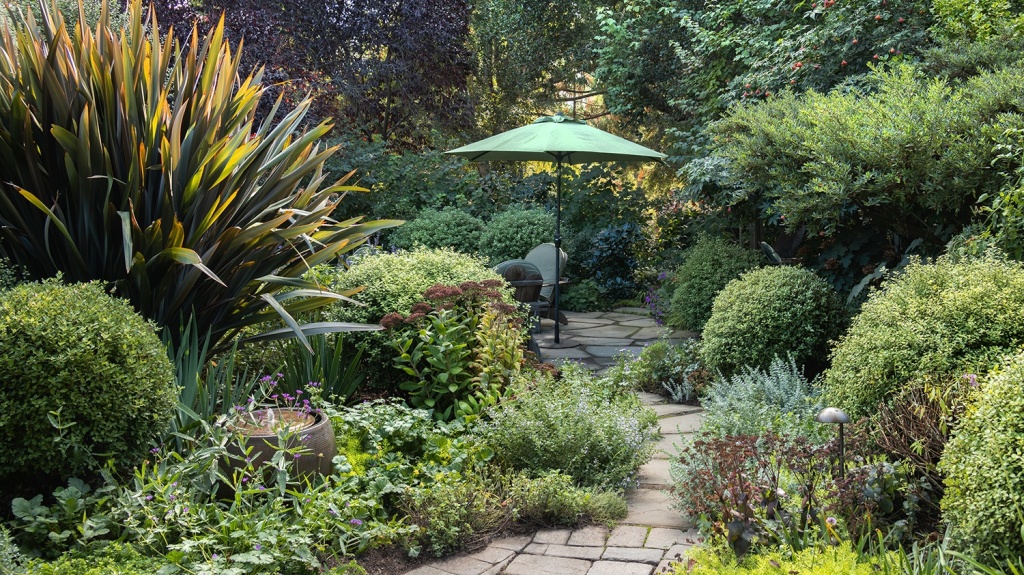
| Design Ideas | This attractive small tree is well-suited for small city gardens where space is limited. Makes a superb accent tree; keep away from pavement so fallen fruit won't cause staining. Provides a handsome leafy background when allowed to grow as a large shrub. |
| Flower Color | White |
| Foliage Color | Gray-green |
| Companion Plants | Rosemary (Rosmarinus); Lavender (Lavandula); Grape (Vitis); Raspberry (Rubus); Fragaria (Strawberry) |
| Care Instructions | Prefers enriched, well-drained soil. Water deeply, regularly in first growing season to establish root system; reduce frequency, once established. Requires less water in fall and winter, more in growing season. Provide sheltered spot in colder zones; may die back and re-sprout from roots in spring. Fertilize in spring. |
| History | Discovered in the early 1940's in San Diego by the Andersen family, this Ficus variety was propagated and found to thrive in the mild coastal climates of Southern California. Introduced by Walter Andersen's Nursery. |
| Lore | The fig was one of the first plants ever to be cultivated by humans. Fossilized figs dating to 9400-9200 BC were found in an early Neolithic village in the Jordan Valley. |
Details
| Description | A semi-dwarf notable for its vigorous habit and bountiful fruit, yielding two crops of succulent green figs each year. Sweet, amber-colored flesh with a flavorful honey note. Thrives in mild coastal areas and warm humid areas, but often hardy and prolific in zones 5 and 6 as well, if planted in a sheltered location. Deciduous. |
|---|---|
| Bloom Time | Inconspicuous; prized for fruit and foliage. |
| Deciduous/Evergreen | Deciduous |
| Special Features | Easy Care, Edible, Fast Growing, Benefits Birds |
| Problems/Solutions | Coastal Exposure, Deer Resistant |
| Growth Rate | Moderate |
Style
| Landscape Use | Container, Espalier |
|---|---|
| Design Ideas | This attractive small tree is well-suited for small city gardens where space is limited. Makes a superb accent tree; keep away from pavement so fallen fruit won't cause staining. Provides a handsome leafy background when allowed to grow as a large shrub. |
| Flower Color | White |
| Foliage Color | Gray-green |
| Companion Plants | Rosemary (Rosmarinus); Lavender (Lavandula); Grape (Vitis); Raspberry (Rubus); Fragaria (Strawberry) |
Care
| Care Instructions | Prefers enriched, well-drained soil. Water deeply, regularly in first growing season to establish root system; reduce frequency, once established. Requires less water in fall and winter, more in growing season. Provide sheltered spot in colder zones; may die back and re-sprout from roots in spring. Fertilize in spring. |
|---|
History
| History | Discovered in the early 1940's in San Diego by the Andersen family, this Ficus variety was propagated and found to thrive in the mild coastal climates of Southern California. Introduced by Walter Andersen's Nursery. |
|---|---|
| Lore | The fig was one of the first plants ever to be cultivated by humans. Fossilized figs dating to 9400-9200 BC were found in an early Neolithic village in the Jordan Valley. |
Retailers Near You
About Us
We have been pioneers and craftsmen in the art of growing plants for 100 years. Since our founding in Southern California by Harry E. Rosedale, Sr. in 1926, we have been absolutely dedicated and obsessed with quality.
We have been pioneers and craftsmen in the art of growing plants for nearly 100 years. Since our founding in Southern California by Harry E. Rosedale, Sr. in 1926, we have been absolutely dedicated and obsessed with quality.