
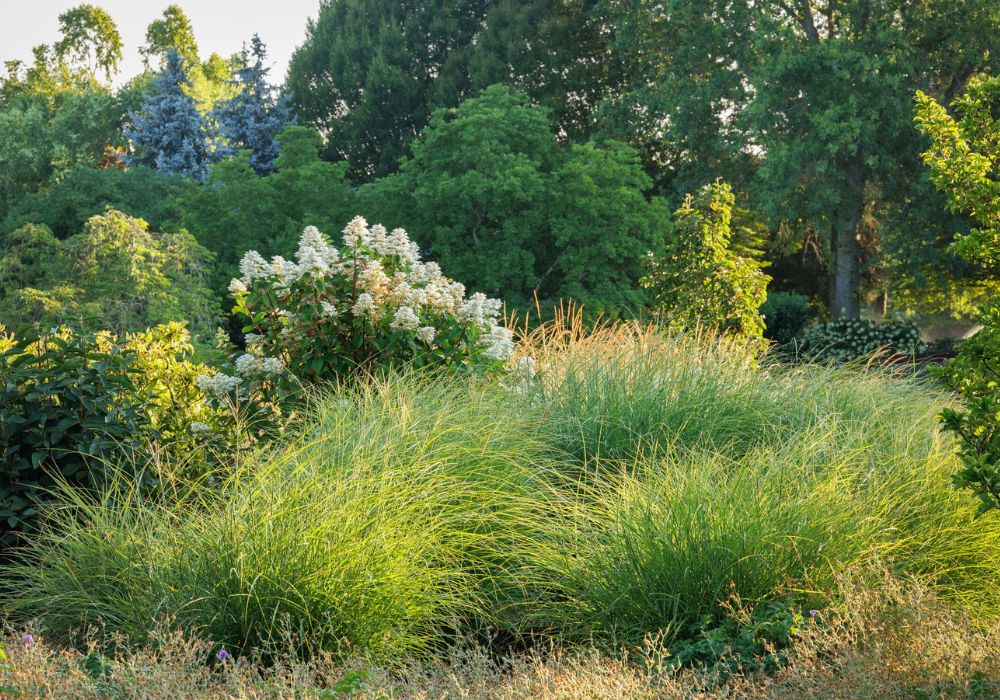
Have you ever witnessed ornamental grasses catching the last light of the day? It's a magical sight; seed heads glow as they sway and rustle in the breeze, a gentle invitation to slow down and pay attention. Nearby, you likely saw pollinators buzz and drift over swaths of flowers, moving from bloom to bloom.
(Above) Graceful masses of Adagio Maiden Grass set the tone for a soft, dreamy, and naturalistic garden.
In this dreamy garden or naturalized area, nothing feels rigid or overly manicured. The entire space moves, breathes, and hums with life.
This is the kind of garden people dream about: a landscape that feels connected to nature and welcoming to wildlife. But when they set out to create it, the results can sometimes feel harder to manage than expected. Certain plants grow more aggressively than planned. Some blooms appear only briefly before fading. Taller perennials flop, and the overall look can veer from naturalistic to chaotic.
That’s where a design approach we call "Wild Meets Refined" comes in.
Rather than choosing between a polished garden and an ecological one, this approach blends the two. By pairing native plants with carefully selected cultivars and ornamental grasses, you can create a garden that supports pollinators while maintaining structure, beauty, and long-lasting seasonal interest.
The result is a landscape that feels relaxed and alive, yet still thoughtfully composed.
What Is “Wild Meets Refined”?
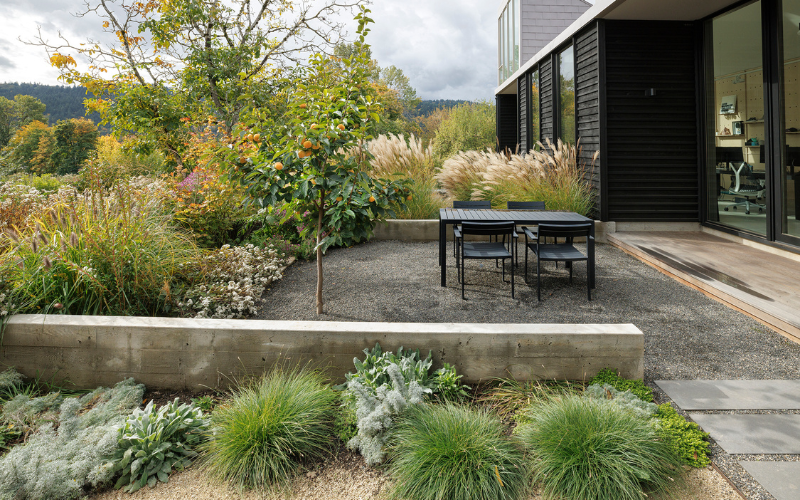
The "Wild Meets Refined" garden draws inspiration from natural plant communities like meadows, prairies, and open woodlands, while incorporating the structure and reliability of cultivated garden plants.
Think of it as a middle ground between formal garden beds and fully wild prairie plantings.
These gardens tend to feel loose and flowing, but they’re still guided by clear design principles. Plants are repeated in drifts rather than scattered randomly, and structure plays an important role in keeping the planting cohesive.
Key elements of the style include:
Ornamental grasses for movement and structure
Long-blooming perennials that carry color through the season
Climate-appropriate cultivars chosen for reliability
Repetition and rhythm throughout the planting
Seasonal interest that extends well beyond peak bloom
Instead of a brief midsummer peak, a modern meadow-style garden evolves throughout the year.
Beauty With Boundaries: Why Cultivars Matter
Native plants play an essential role in supporting pollinators and wildlife. When designing a home garden, a few thoughtfully chosen cultivars can make your garden easier to maintain and more visually cohesive.
Many modern cultivars are selected specifically for garden performance.
These improvements often include:
Longer bloom duration
Stronger stems that resist flopping
Controlled growth habits that fit better in residential landscapes
Predictable mature size for easier planning
Improved disease resistance
Enhanced flower color or repeat blooming
Cultivars suited to your region can still support pollinators while offering dependable garden performance. When combined with native species and other climate-appropriate plants, they help create a landscape that is both ecological and manageable.
Rather than replacing native plants, cultivars often act as a design partner, adding stability and extending the season of color.
The Framework of the Garden: Ornamental Grasses
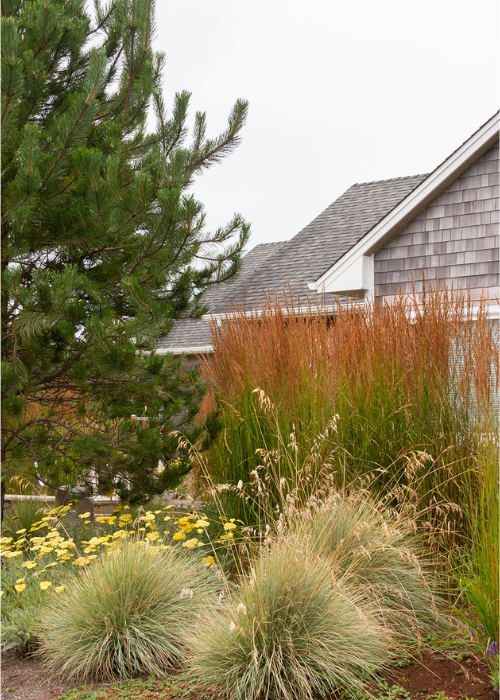
In a wild yet refined garden, ornamental grasses provide the structure that holds everything together.
They act as the architectural backbone of the planting, softening the space while creating visual rhythm and movement.
Grasses serve several important roles:
Anchors that define planting areas
Seasonal transition plants that look good even when perennials fade
Soft privacy screens when planted in drifts
Winter interest through seed heads and dried foliage
Designers often use grasses to fill 30–40% of the planting, creating a framework that keeps the garden cohesive throughout the year.
For the most natural effect, plant grasses in drifts rather than single specimens. Combining upright forms with mounding varieties creates layered texture and movement. Airy grasses also pair beautifully with bold blooms like echinacea and rudbeckia, allowing flowers to float above a soft, flowing base.
Perhaps best of all, grasses continue to shine in fall and winter, an important feature for homeowners who want their landscape to look beautiful even when flowers are gone.
Explore Monrovia’s collection of ornamental grasses and learn more about designing with ornamental grasses. Learn about how to cut back grasses here.
Get the Look with These Ornamental Grasses
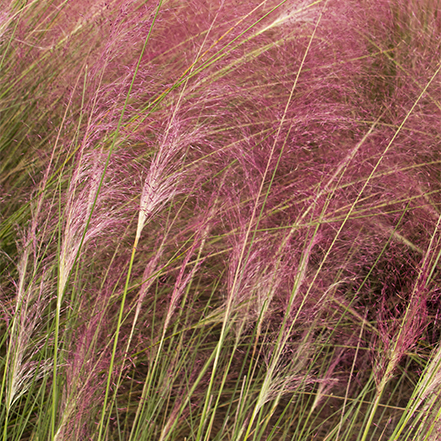
Regal Mist®
Pink Muhly Grass
Masses of airy pinkish-red flowers are stunning when backlit by the sun. Up to 4' tall, 3' wide. Zones 6-9.
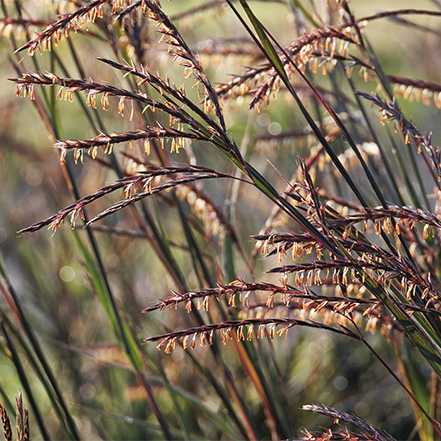
Blackhawks
Big Bluestem
A dramatic vertical accent that changes color throughout the growing season. Full sun. Up to 8' tall, 2' wide. Zones 3-9.
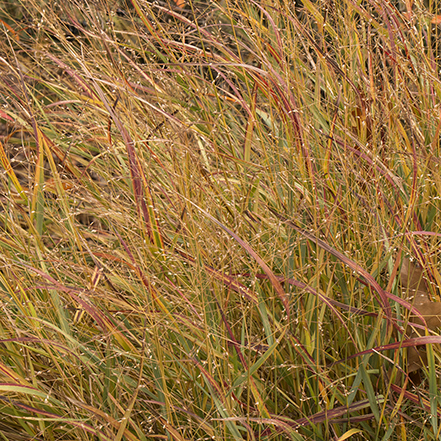
Shenandoah
Switch Grass
Prized for its unmatched foliage color and airy reddish-pink flowers in summer. 4' tall, 3' wide in bloom. Zones 4-9.
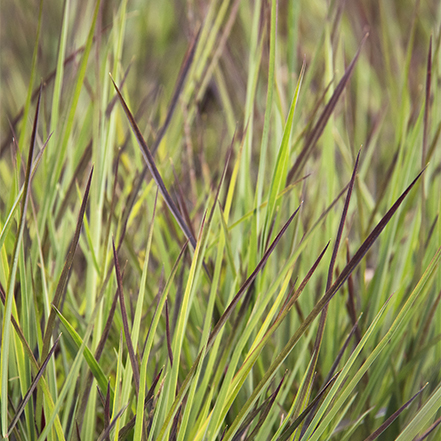
Blue Heaven
Little Bluestem
Narrow, upright foliage emerges blue, develops pink and burgundy hues in late summer, and turns a rich copper in fall. Up to 4' tall, 3' wide. Zones 3-10.
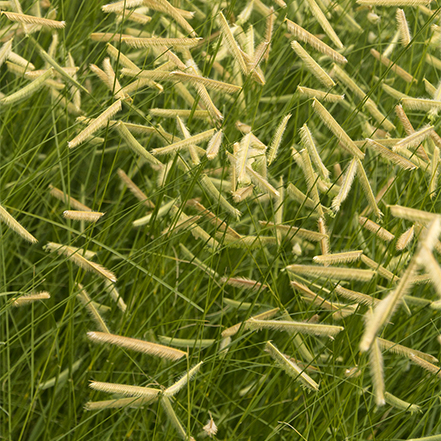
Blonde Ambition
Blue Grama Grass
Provides cool-season interest with long-lasting blond seedheads that remain through winter. Up to 3' tall and wide. Zones 4-9.
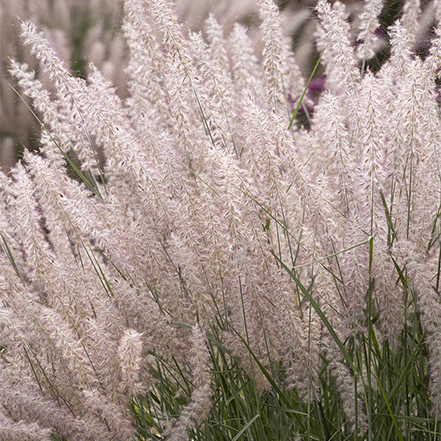
Karley Rose
Fountain Grass
The showy, super-frothy plumes and deeply arching foliage make this a winner for massing. Up to 5' tall. Zones 5-10.
Color That Lasts: The Perennial Layer
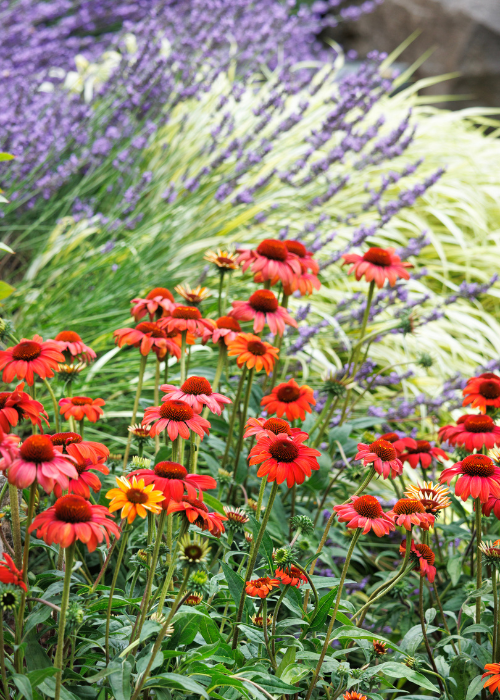
Once the grassy framework is established, long-blooming perennials bring color and pollinator activity into the garden.
Choosing plants known for extended flowering periods helps keep the landscape lively from late spring through fall.
Some excellent options include:
-
Salvias with vibrant spikes of color that pollinators love
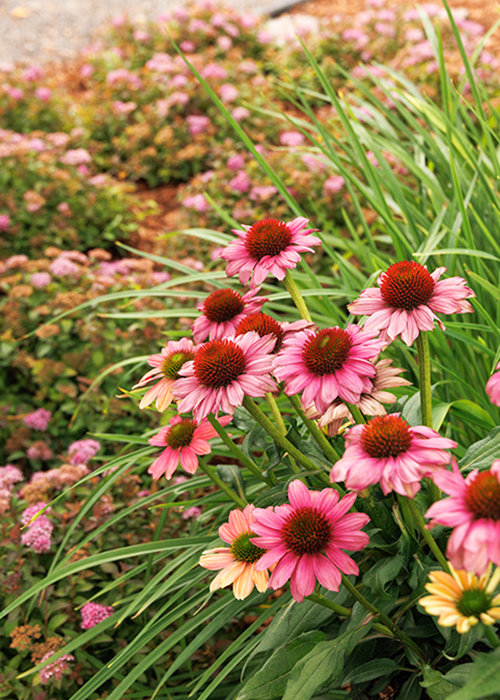
Refined coneflower varieties with strong stems and rich tones (Evolution™ Fiesta Coneflower pictured here)
-
Nepeta (catmint) for clouds of lavender-blue flowers
-
Rudbeckia cultivars with bold golden blooms
Compact agastache for hummingbirds and heat tolerance
-
Lavender for fragrance and silvery texture
-
Gaillardia for bright, sun-loving color
-
Gaura for airy movement and delicate blooms
These perennials are often selected for:
Longer bloom windows
Controlled plant size
Sturdy stems
Reliable seasonal color
Excellent heat tolerance
Planting them in groups of three, five, or seven creates visual impact while still maintaining the relaxed look of a naturalistic garden.
Browse Monrovia’s collection of long-blooming perennials and pollinator-friendly plants.
Get the Look with These Long-Blooming Pollinator-Friendly Plants
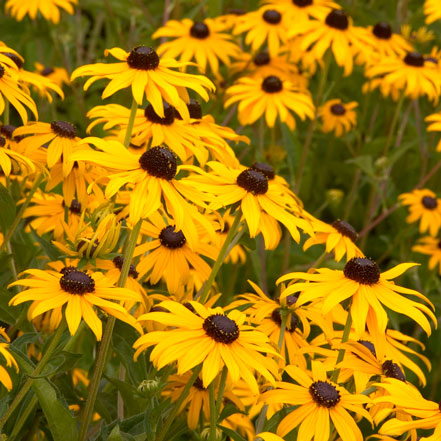
Goldsturm
Black-Eyed Susan
Native bees, honeybees, wasps, hoverflies throng to the abundant flowers and seed-filled heads. Full sun. Up to 26" tall, 24" wide. Zones 3-9.
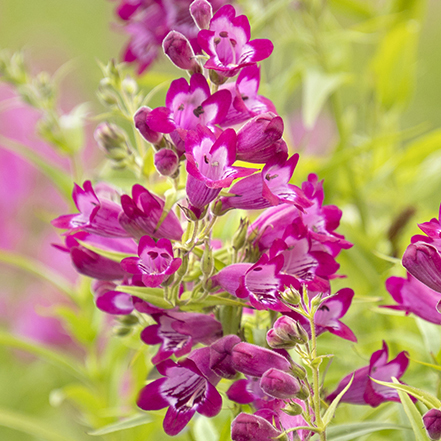
Harlequin™ Magenta
Beardtongue
This disease-resistant pollinator plant features a compact habit and long bloom period, thriving even in poor, dry soils and full sun. Up to 22" tall, 16" wide. Zones 5-9.
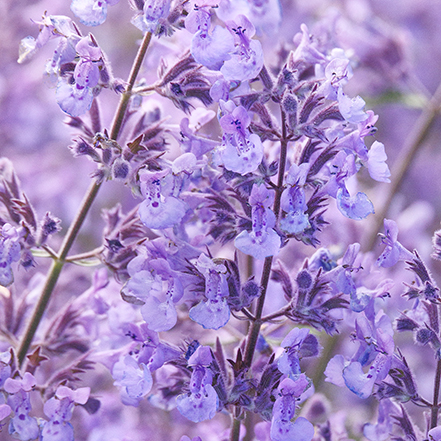
Junior Walker™
Catmint
A favorite pollinator-friendly and waterwise perennial that features lavender flower spikes and fragrant foliage. Full to part sun. Up to 16" tall, 36" wide. Zones 5-9.
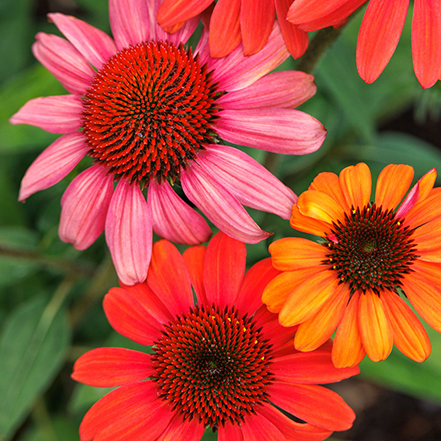
Evolution™
Fiesta Coneflower
This beautiful coneflower is perfect for pollinator gardens. Spicy coral-pink flowers age to softer shades. Full sun. Up to 20" tall, 18" wide. Zones 4-9.
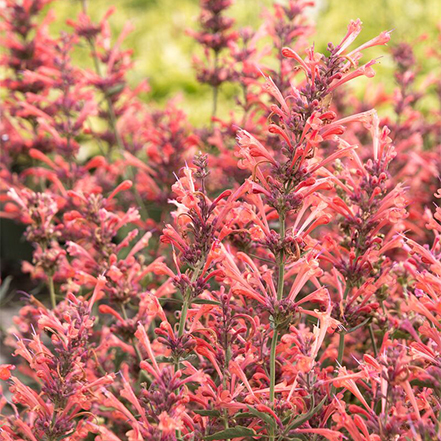
Kudos Coral
Dwarf Agastache
A hummingbird favorite with a tidy habit, increased hardiness, improved disease resistance, and tolerance of wet, cold soils. Full sun. Up to 20" tall, 16" wide. Zones 5-10.
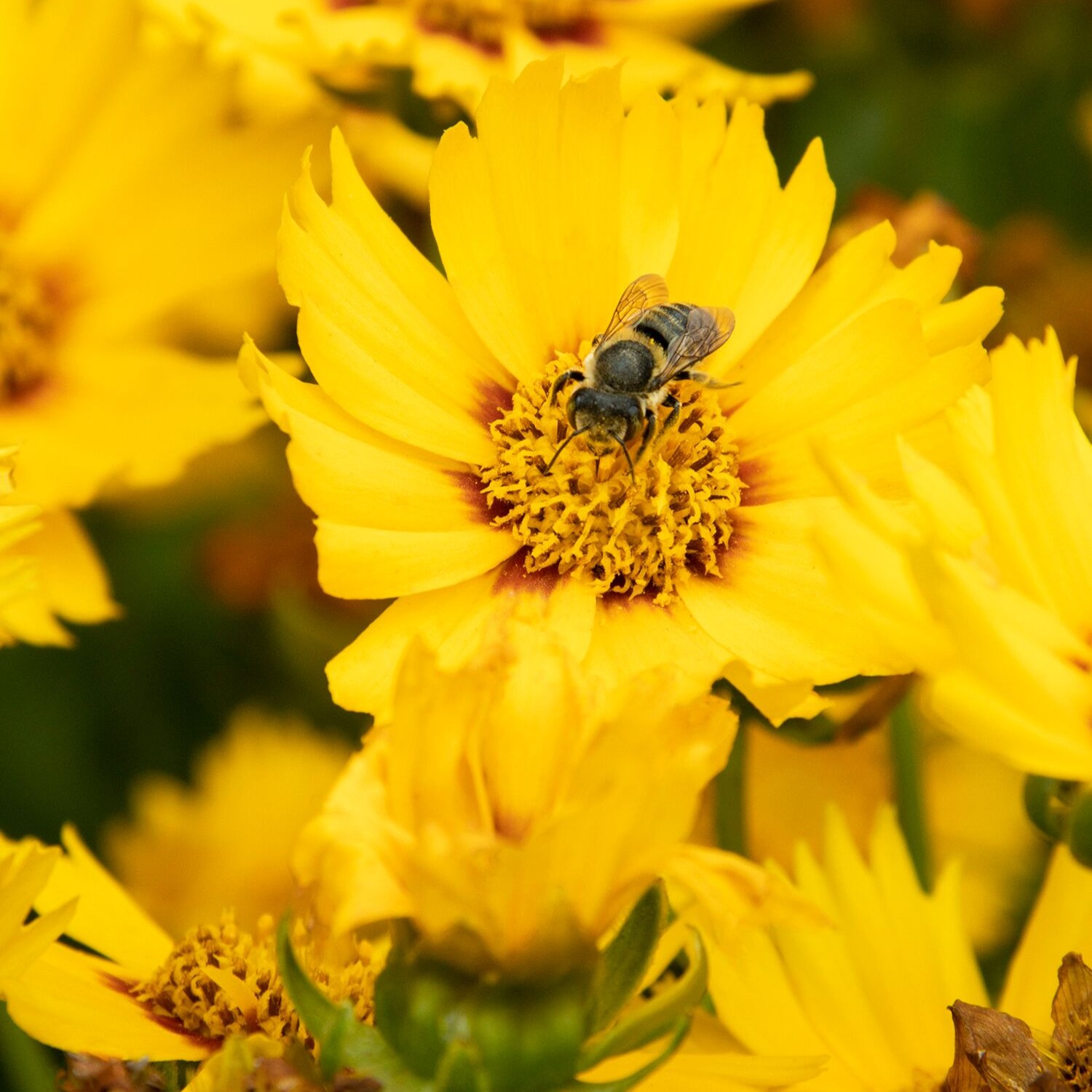
Solanna™ Bright
Touch Coreopsis
Offers easy-care, low-water color from late spring through fall. Provides continuous bold color and nectar for bees. Up to 18" tall and wide. Zones 4-9.
How to Create the Look
Designing a refined naturalistic garden is surprisingly approachable when you break it down into a few simple steps.
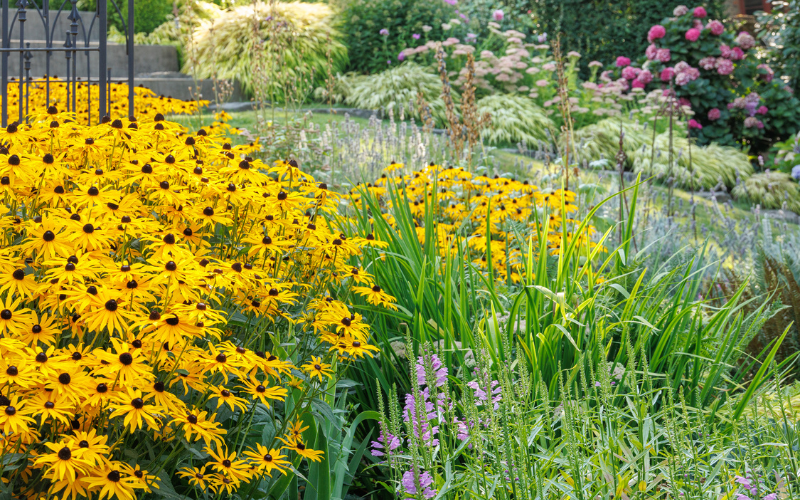
1. Start with a Grass Backbone
Plan for ornamental grasses to make up roughly 30-40% of the planting. This creates a structural framework that carries the garden through every season. Plus, grasses add movement, structure, and forage for birds.
2. Layer in Long-Blooming Perennials
Choose perennials with overlapping bloom times to create a steady flow of color and pollinator activity.
3. Repeat Key Plants
Keep your plant palette relatively simple, and focus on repeating masses of plants throughout the garden to create cohesion and a sense of rhythm.
4. Add Structural Shrubs
Structural shrubs can help ground the planting and create visual anchors within looser meadow-style beds.
5. Leave Breathing Space
Naturalistic plantings look best when plants have room to move and spread slightly over time.
A few design principles help keep the look polished:
Limit the plant palette for a more sophisticated effect
Think in drifts instead of dots
Allow movement while maintaining clean edges
Plan for bloom succession from spring through fall
Gardeners working in warm or dry climates can also prioritize heat-tolerant, drought-tolerant, and water-wise plants, which contribute to both sustainability and long-term success.
Check out the climate-specific My Plantfinder tool and the water-wise gardening guide; they are great tools for choosing plants suited to your region.
Intentional Wildness
The Wild Meets Refined garden proves you don’t have to choose between ecological awareness and elegance.
With the right structure, ornamental grasses, long-blooming perennials, and thoughtfully selected cultivars, your garden can feel alive, effortless, and beautifully composed all at once.
It’s nature-inspired gardening with intention.
Explore Monrovia’s collections of ornamental grasses, long-blooming perennials, and pollinator-friendly plants to begin creating your own modern meadow garden that grows beautifully, confidently, and responsibly.
Get More Information About Meadow and Pollinator-Friendly Gardening
- Take a look at the pollinator section of the blog for a variety of stories about pollinator-friendly gardening
- Get 9 free landscape plans and pollinator gardening tips in the Backyard Habitat Guide.
- Design School: How to Create a Modern Meadow Garden
- Modern Meadow: A fresh take on pollinator garden design
- How to Create a Hummingbird Garden
- What to Plant to Attract Butterflies, Hummingbirds, and Bees
- Ask an Expert: Best Pollinator Plants for the Garden
- Beneficial Insects for a Healthy Garden: A Visual Guide
- Best Early-Spring Flowering Plants to Attract Pollinators
- 10 Early-Blooming, Cold-Hardy Plants for Pollinators
- Late Summer and Fall-Blooming Perennials
- Grow a Pollinator Border
- Sign up for our Grow Beautifully newsletter. You'll get more design inspiration, garden tips, how-tos, and first access to exclusive guides, webinars, and plants.
Ready to Grow?
Ship Monrovia plants directly to your door. Browse a curated selection available online.
Shop Now >