
You're growing in this Zip Code:
Discover Plants for Your Area


Pink Dawn Chitalpa
x Chitalpa tashkentensis 'Pink Dawn'
Pronunciation: chi-TAL-pa tash-ken-TEN-sis
SKU #02298
LIGHT:
Full sun
WATER:
Once established, water occasionally.
SIZE:
Fast growing to 25 ft. high, equal width.

Retailers Near You
Ready to Grow?
Ship Monrovia plants directly to your door. Browse a curated selection available online.
Shop Now >This Plant's Growing Zones: 6-9
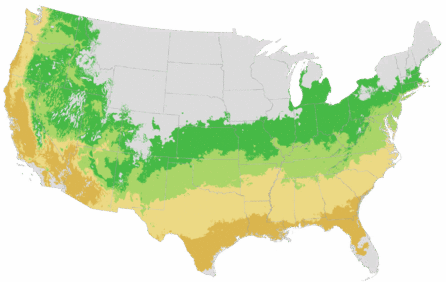
Your USDA Cold Hardiness Zone:


| Description | Small deciduous tree tends to be multi-stemmed. Long, narrow, bright green leaves back abundant clusters of trumpet-shaped pale lavender-pink flowers with pale yellow throats. Ideally suited to most soils and climates of the Southwestern states. Excellent, long blooming accent specimen for dry sites and minimal-care landscapes. |
|---|---|
| Bloom Time | Late spring through summer. |
| Deciduous/Evergreen | Deciduous |
| Special Features | Attracts Hummingbirds, Easy Care, Waterwise, Attracts Pollinators, Fast Growing, Benefits Birds |
| Problems/Solutions | Tolerates Urban Pollution |
| Growth Rate | Fast |
| Flower Attributes | Long Bloom Season, Showy Flowers |
| Design Ideas | A beautiful accent tree that easily fits into average beds and borders. Use as a visual screen along property lines to block neighbors without losing much light or air circulation. A stunning single specimen in bloom and under night lighting. Perfect to augment dry xeriscape plantings in open beds with luxurios looks. |
| Flower Color | Pink |
| Foliage Color | Green |
| Companion Plants | Bougainvillea (Boungainvillea); Salvia (Salvia); Tickseed (Coreopsis ); Yucca (Yucca); Stonecrop (Sedum) |
| Care Instructions | Follow a regular watering schedule during the first growing season to establish a deep, extensive root system. Water deeply, less frequently, once established. Feed with a general purpose fertilizer before new growth begins in spring. |
| History | This tree is the result of an inter-genera cross of Catalpa bignoniodes and the desert willow, Chilopsis linearis, both native to the southwestern U.S. Both share the same Bignonia family of trumpet flowers. Catalpa contributes the larger leaves while the Chilopsis ensures increased drought and heat tolerance of this unique variety. Though the more correct botanical name is x Chitalpa, which denotes its hybrid origin, Chiltalpa is the more often-used name. The first hybrid between Catalpa and Chilopsis was introduced into the United States inn 1977 by Robert Hebb of the New York Botanic Garden. The hybrid remained unnamed until 1991 when Rancho Santa Ana Botanic Garden assigned them the name x Chitalpa tashkentensis. Chitalpa is a combination of the scientific name of the two parents and the specific name identifies the city in Uzbekistan where the hybrids were initially created. Two cultivars were subsequently named by Rancho Santa Ana; this pink flowering cultivar: 'Pink Dawn', and a white cultivar: 'Mornin |
| Lore | Hummingbirds and many flying insects of the desert are drawn to these flowers. |
Details
| Description | Small deciduous tree tends to be multi-stemmed. Long, narrow, bright green leaves back abundant clusters of trumpet-shaped pale lavender-pink flowers with pale yellow throats. Ideally suited to most soils and climates of the Southwestern states. Excellent, long blooming accent specimen for dry sites and minimal-care landscapes. |
|---|---|
| Bloom Time | Late spring through summer. |
| Deciduous/Evergreen | Deciduous |
| Special Features | Attracts Hummingbirds, Easy Care, Waterwise, Attracts Pollinators, Fast Growing, Benefits Birds |
| Problems/Solutions | Tolerates Urban Pollution |
| Growth Rate | Fast |
| Flower Attributes | Long Bloom Season, Showy Flowers |
Style
| Design Ideas | A beautiful accent tree that easily fits into average beds and borders. Use as a visual screen along property lines to block neighbors without losing much light or air circulation. A stunning single specimen in bloom and under night lighting. Perfect to augment dry xeriscape plantings in open beds with luxurios looks. |
|---|---|
| Flower Color | Pink |
| Foliage Color | Green |
| Companion Plants | Bougainvillea (Boungainvillea); Salvia (Salvia); Tickseed (Coreopsis ); Yucca (Yucca); Stonecrop (Sedum) |
Care
| Care Instructions | Follow a regular watering schedule during the first growing season to establish a deep, extensive root system. Water deeply, less frequently, once established. Feed with a general purpose fertilizer before new growth begins in spring. |
|---|
History
| History | This tree is the result of an inter-genera cross of Catalpa bignoniodes and the desert willow, Chilopsis linearis, both native to the southwestern U.S. Both share the same Bignonia family of trumpet flowers. Catalpa contributes the larger leaves while the Chilopsis ensures increased drought and heat tolerance of this unique variety. Though the more correct botanical name is x Chitalpa, which denotes its hybrid origin, Chiltalpa is the more often-used name. The first hybrid between Catalpa and Chilopsis was introduced into the United States inn 1977 by Robert Hebb of the New York Botanic Garden. The hybrid remained unnamed until 1991 when Rancho Santa Ana Botanic Garden assigned them the name x Chitalpa tashkentensis. Chitalpa is a combination of the scientific name of the two parents and the specific name identifies the city in Uzbekistan where the hybrids were initially created. Two cultivars were subsequently named by Rancho Santa Ana; this pink flowering cultivar: 'Pink Dawn', and a white cultivar: 'Mornin |
|---|---|
| Lore | Hummingbirds and many flying insects of the desert are drawn to these flowers. |
Retailers Near You
About Us
We have been pioneers and craftsmen in the art of growing plants for 100 years. Since our founding in Southern California by Harry E. Rosedale, Sr. in 1926, we have been absolutely dedicated and obsessed with quality.
We have been pioneers and craftsmen in the art of growing plants for nearly 100 years. Since our founding in Southern California by Harry E. Rosedale, Sr. in 1926, we have been absolutely dedicated and obsessed with quality.