Buttons 'N Bows® Hydrangea
Hydrangea macrophylla 'Monrey' P.P.# 11405
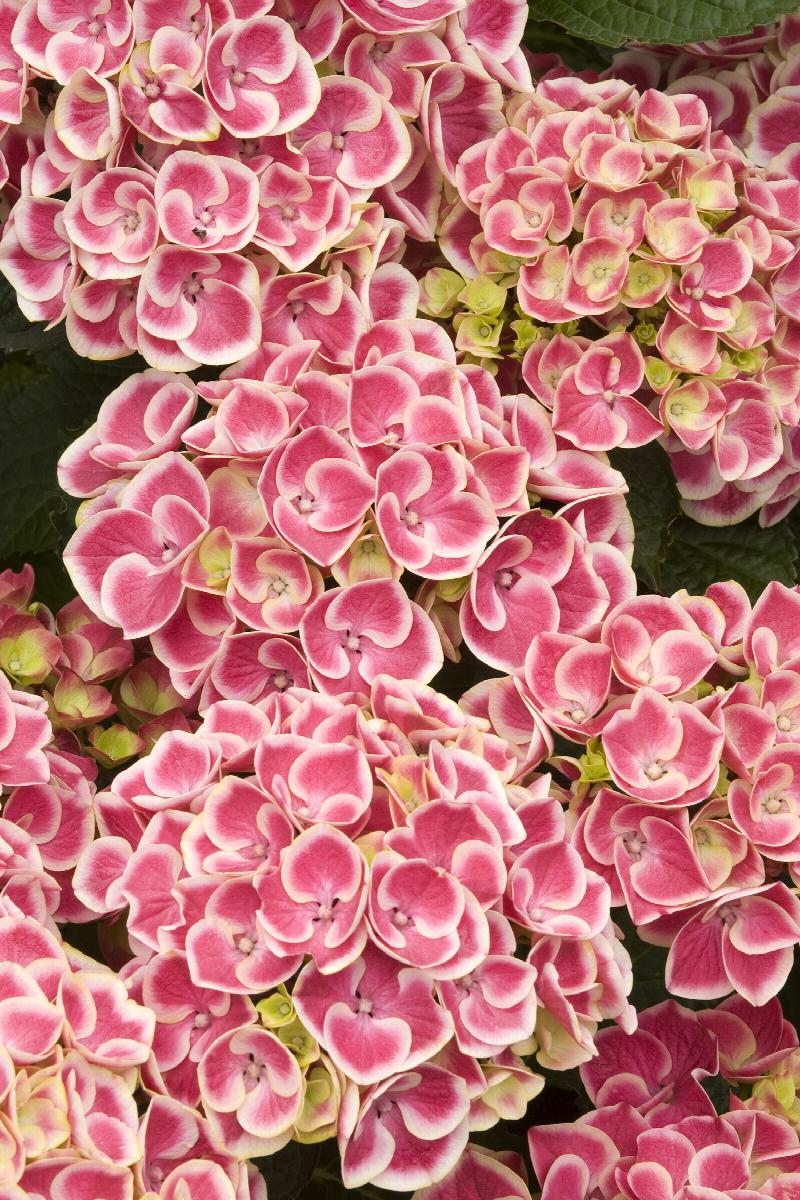
A compact-growing shrub with sensational deep-pink flowers. Each petal is edged in white. Large mophead flower emerge pale green and fade to pink. Great for containers and foreground plantings.
| Botanical Pronunciation: | hye-DRAYN-jee-uh mak-ro-FIL-la |
| Key feature: | Summer Flowering |
| Plant type: | Shrub |
| Patent Act: | Asexual reproduction of plants protected by the Plant Patent Act is prohibited during the life of the patent. |
| Garden style: | Asian/Zen |
| Deciduous/evergreen: | Deciduous |
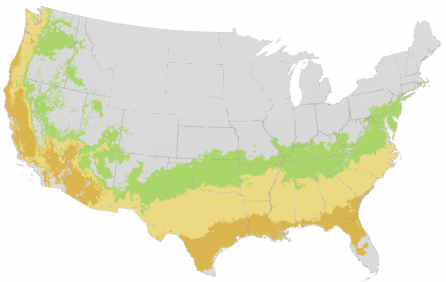
| Cold hardiness zones: | 7 - 9 |
| Light needs: | Filtered sun |
| Sunset climate zones: | 3 - 9, 14 - 24, 26, 28 - 34 |
| Water Needs: | Needs wet or constantly moist soil. |
| Average landscape size: | Fast growing to 3 to 4 ft. high and wide. |
| Growth rate: | Fast |
| Growth habit: | Round |
| Flower attributes: | Flowers for Cutting, Showy Flowers |
| Special feature: | Easy Care |
| Landscape uses: | Border, Container, Firescaping/Fire Wise, Seacoast Exposure, Woodland Garden |
| Flower color: | Pink |
| Blooms: | Early summer |
| Foliage color: | Green |
| Item no.: | 4228 |
| Retailers for this plant: |
Care Information
Follow a regular watering schedule during the first growing season to establish a deep, extensive root system. Provide well-drained soil, rich in organic matter. Feed with a general purpose fertilizer before spring growth. Prune to shape after flowering. Pruning time: summer after flowering.
Design Ideas
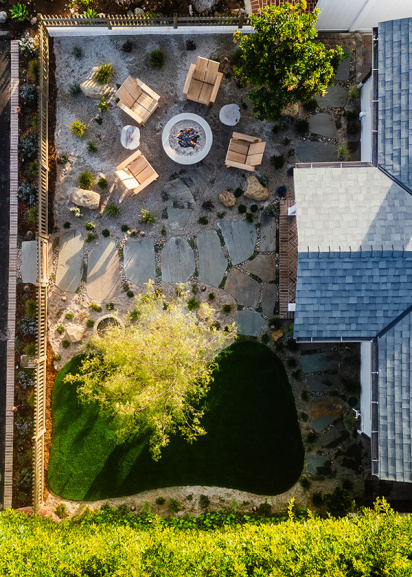
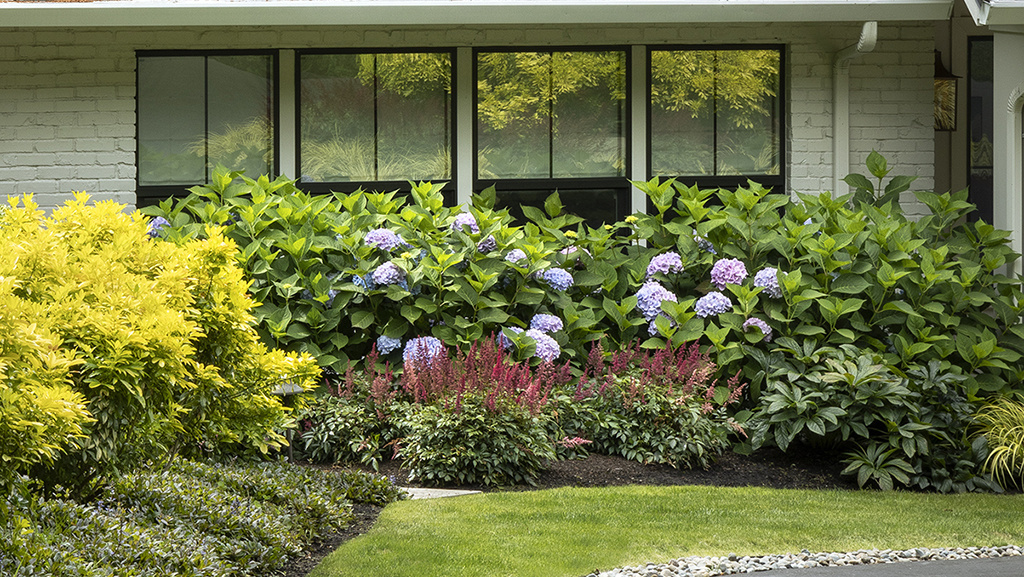
This smaller Hydrangea fits well in very tiny gardens. Short enough to grow and bloom beneath windows, or plant in heavy decorative pots for a seasonal show. With its full-sized pink flowers, it's ideal for disguising the underpinnings of decks and the side view of steps, or tuck it into small planters between windows and doors. This is the Hydrangea for narrow side yards, where it won't crowd access. Also perfect in the shade beneath the canopies of medium-sized flowering trees.
Companion Plants
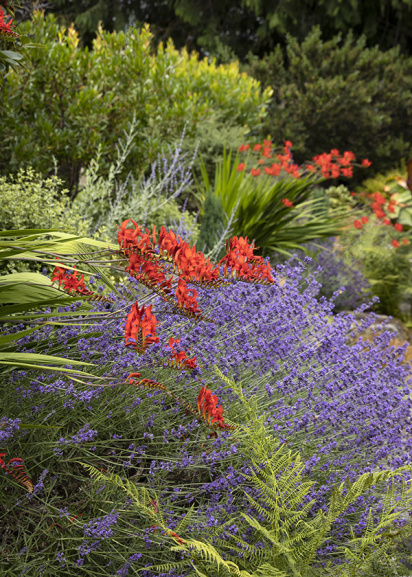
Plant among other shade and acid soil loving plants like Gardenia, Rhododendron, and Camellia. Add color and texture to a woodland setting with Buttons 'N Bows, Astilbe, Hosta and Clematis or create an Asian garden design with Japanese Maple and Lilac.
History
This is the most widely planted of the 80 species of genus Hydrangea. It originated in Japan, although it is believed that plants first introduced to the west were gathered in China. The species was named by Nicolas Seringe of France, but was also known by Viburnum and a more generalized Hydrangea hortensis due to the variations between lacecap and mophead flower types. This cultivar was recently developed and introduced by Monrovia around 2000. Big trusses of mophead hydrangea blossoms are popular cut flowers to dry and use in arrangements. Flowers are so coveted they are actually stolen out of front yards in many cities.
A compact-growing shrub with sensational deep-pink flowers. Each petal is edged in white. Large mophead flower emerge pale green and fade to pink. Great for containers and foreground plantings.
Care Information
Follow a regular watering schedule during the first growing season to establish a deep, extensive root system. Provide well-drained soil, rich in organic matter. Feed with a general purpose fertilizer before spring growth. Prune to shape after flowering. Pruning time: summer after flowering.
Design Ideas
This smaller Hydrangea fits well in very tiny gardens. Short enough to grow and bloom beneath windows, or plant in heavy decorative pots for a seasonal show. With its full-sized pink flowers, it's ideal for disguising the underpinnings of decks and the side view of steps, or tuck it into small planters between windows and doors. This is the Hydrangea for narrow side yards, where it won't crowd access. Also perfect in the shade beneath the canopies of medium-sized flowering trees.
Companion Plants
Plant among other shade and acid soil loving plants like Gardenia, Rhododendron, and Camellia. Add color and texture to a woodland setting with Buttons 'N Bows, Astilbe, Hosta and Clematis or create an Asian garden design with Japanese Maple and Lilac.
History
This is the most widely planted of the 80 species of genus Hydrangea. It originated in Japan, although it is believed that plants first introduced to the west were gathered in China. The species was named by Nicolas Seringe of France, but was also known by Viburnum and a more generalized Hydrangea hortensis due to the variations between lacecap and mophead flower types. This cultivar was recently developed and introduced by Monrovia around 2000. Big trusses of mophead hydrangea blossoms are popular cut flowers to dry and use in arrangements. Flowers are so coveted they are actually stolen out of front yards in many cities.
| Botanical Pronunciation: | hye-DRAYN-jee-uh mak-ro-FIL-la |
| Key feature: | Summer Flowering |
| Plant type: | Shrub |
| Patent Act: | Asexual reproduction of plants protected by the Plant Patent Act is prohibited during the life of the patent. |
| Garden style: | Asian/Zen |
| Deciduous/evergreen: | Deciduous |
| Cold hardiness zones: | 7 - 9 |
| Light needs: | Filtered sun |
| Sunset climate zones: | 3 - 9, 14 - 24, 26, 28 - 34 |
| Water Needs: | Needs wet or constantly moist soil. |
| Average landscape size: | Fast growing to 3 to 4 ft. high and wide. |
| Growth rate: | Fast |
| Growth habit: | Round |
| Flower attributes: | Flowers for Cutting, Showy Flowers |
| Special feature: | Easy Care |
| Landscape uses: | Border, Container, Firescaping/Fire Wise, Seacoast Exposure, Woodland Garden |
| Flower color: | Pink |
| Blooms: | Early summer |
| Foliage color: | Green |
| Item no.: | 4228 |