
You're growing in this Zip Code:
Discover Plants for Your Area
Exclusive
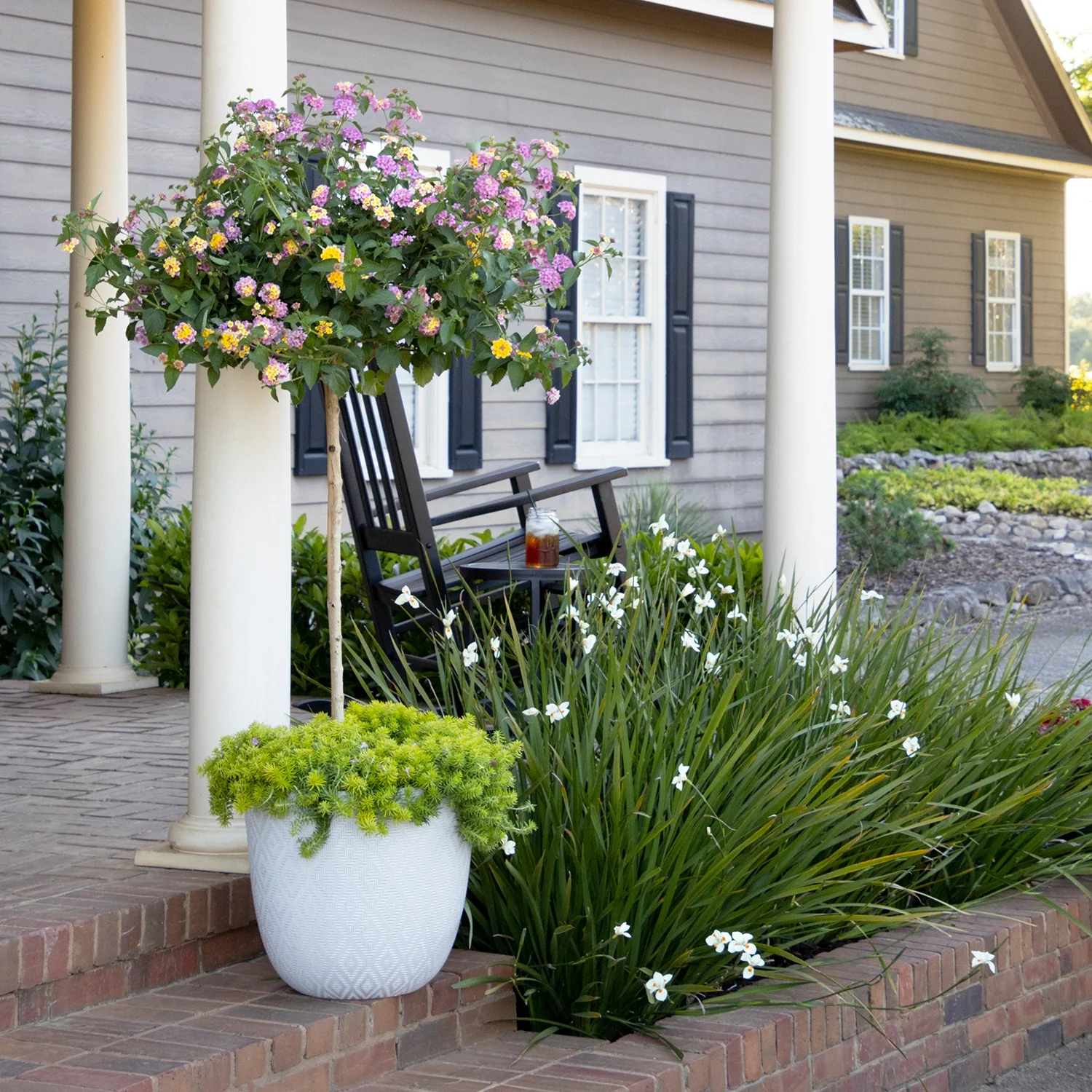
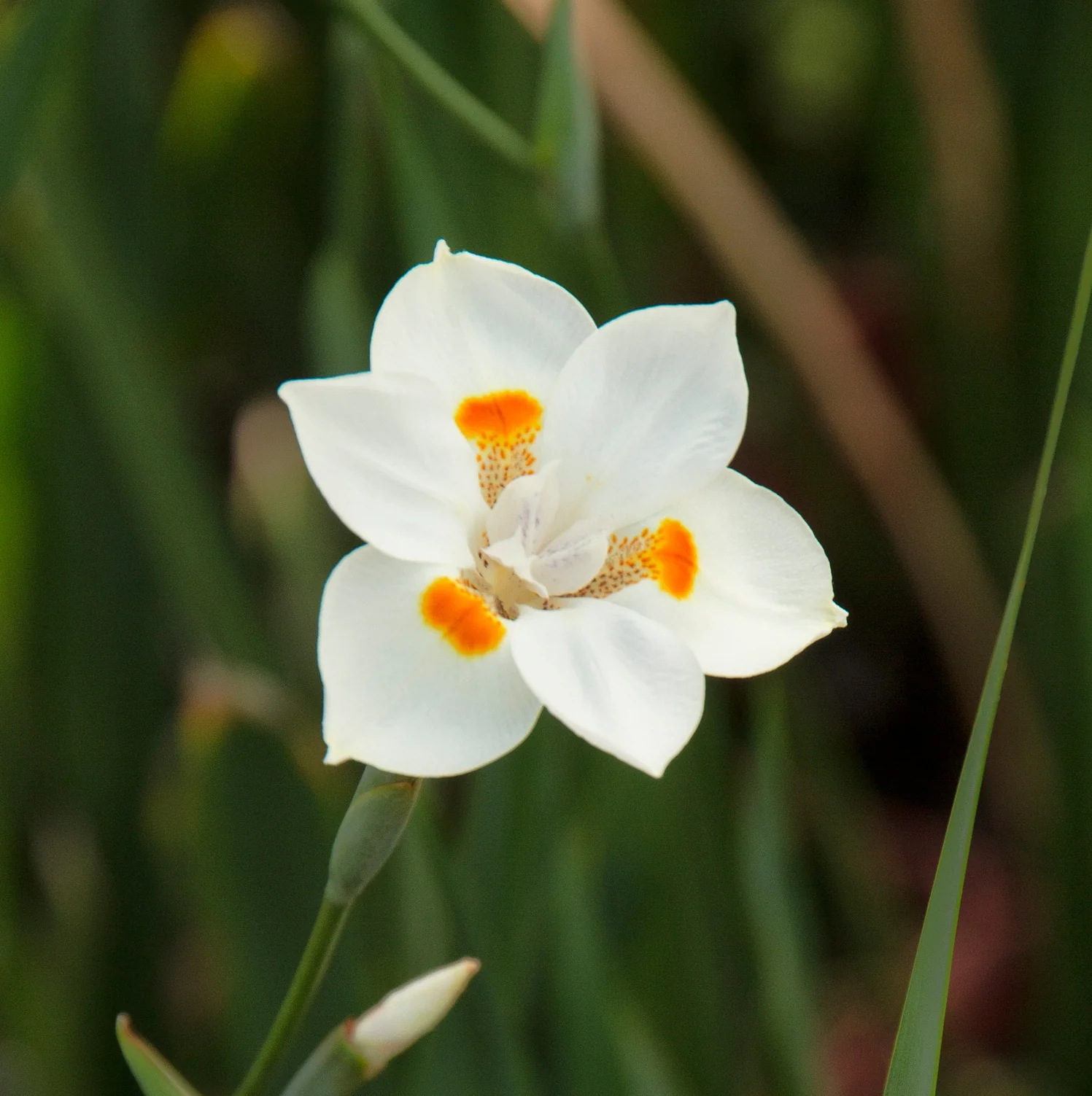
Katrina® African Iris
Dietes x 'NOLA alba' PP #21,460
Pronunciation: dy-AY-teez
SKU #04674
LIGHT:
Full sun
WATER:
Once established water during dry spells.
SIZE:
Moderate growing; reaches 2 to 3 ft. tall, 3 to 4 ft. wide.

Retailers Near You
Ready to Grow?
Ship Monrovia plants directly to your door. Browse a curated selection available online.
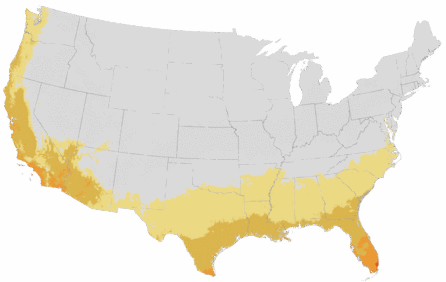
Shop Now >This Plant's Growing Zones: 8-11
Your USDA Cold Hardiness Zone:
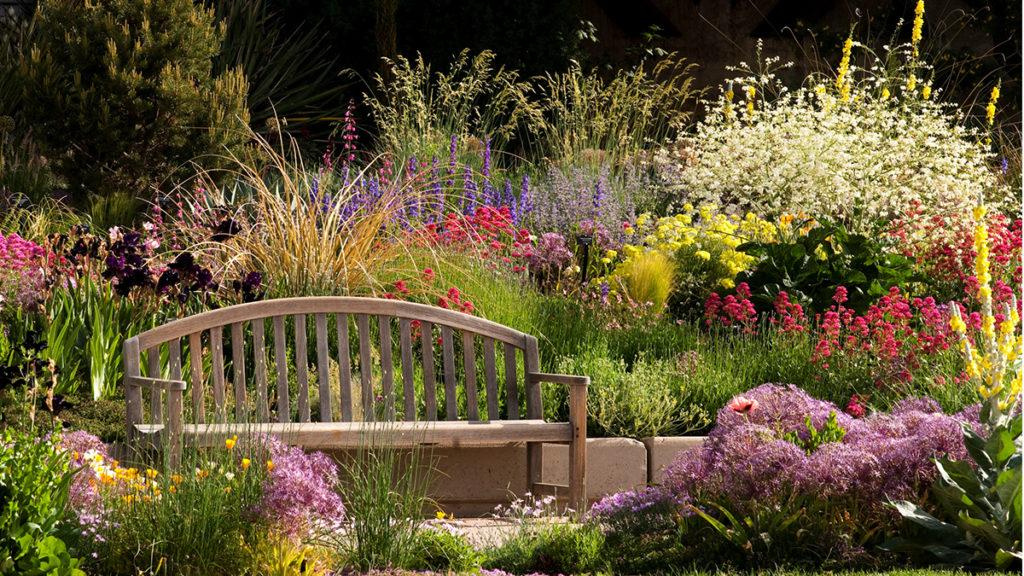
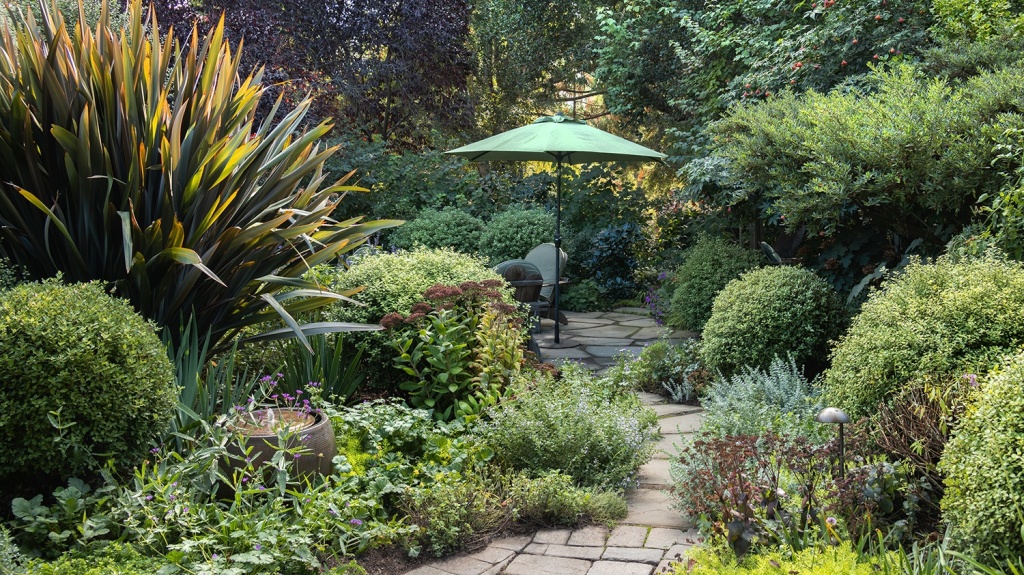
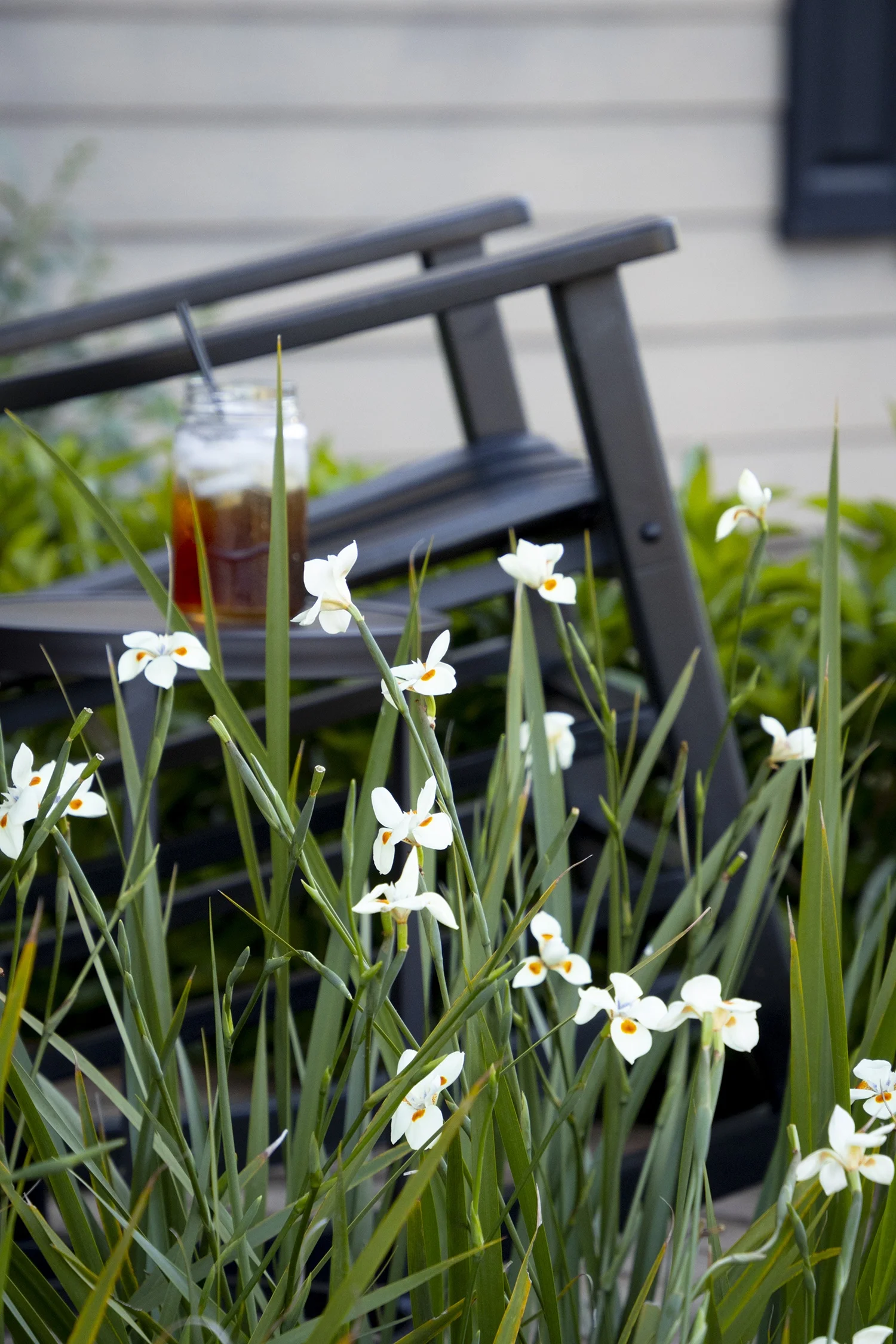
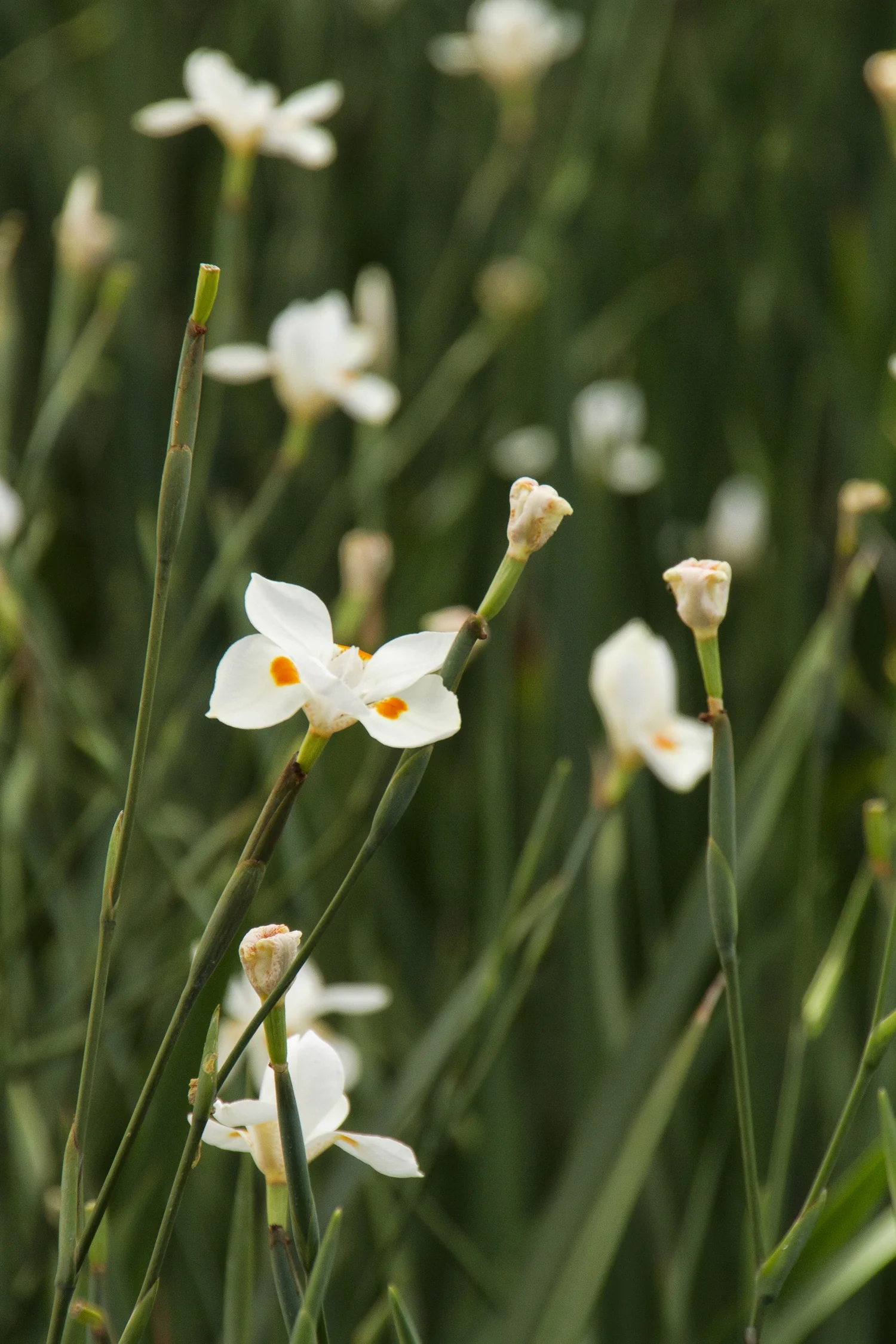
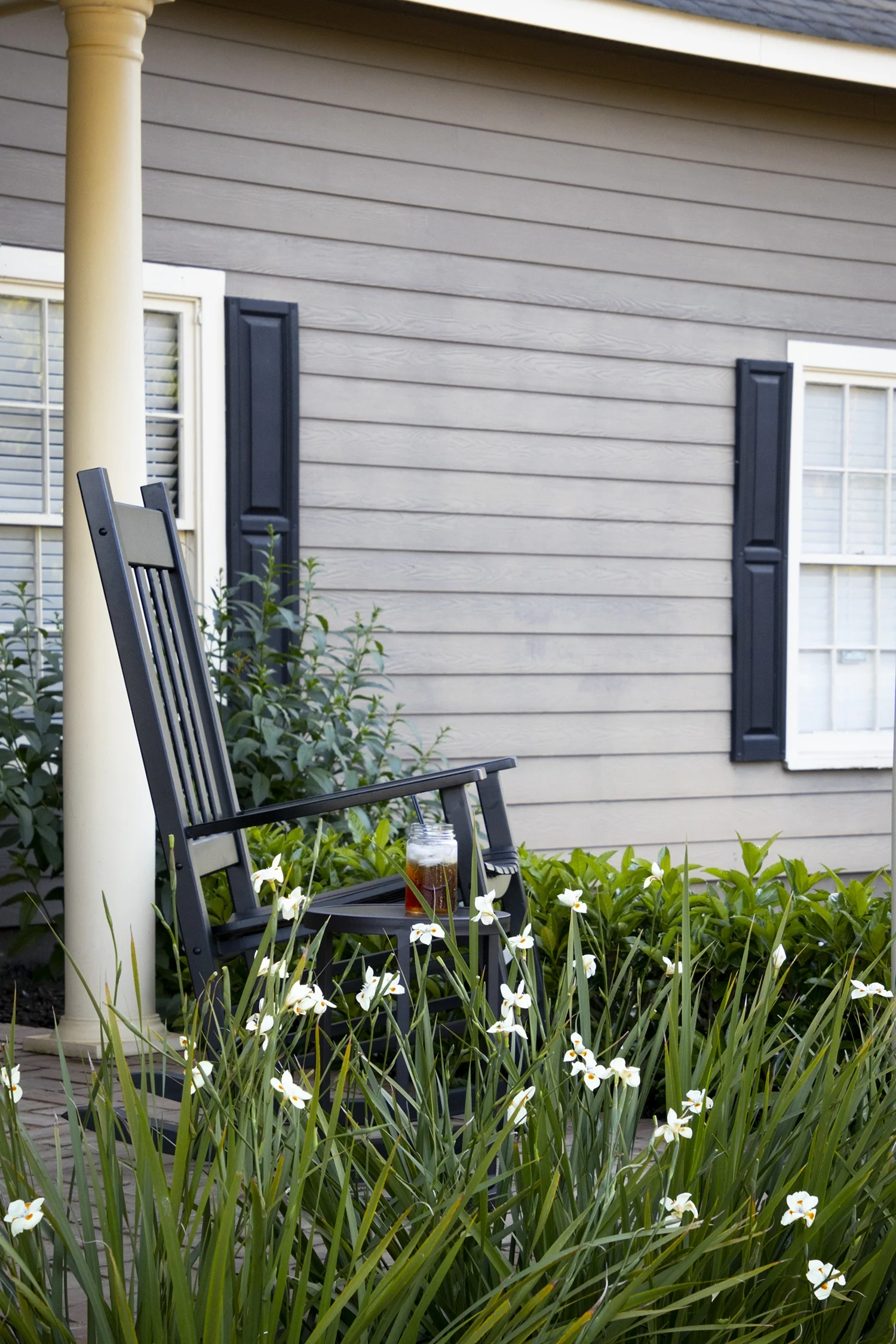
| Description | Exotic white flowers with gold accents appear continuously over an extended season. Tolerates poorly draining soils, resists disease better than others, and thrives in heat and humidity. Seldom sets unsightly seedpods. Evergreen. |
|---|---|
| Bloom Time | Spring through late fall |
| Deciduous/Evergreen | Evergreen |
| Special Features | Easy Care, Improved Pest and Disease Resistance, Waterwise, Heat Loving |
| Problems/Solutions | Coastal Exposure |
| Growth Rate | Moderate |
| Flower Attributes | Long Bloom Season, Repeat Flowering, Showy Flowers |
| Patent Act | Asexual reproduction of plants protected by the Plant Patent Act is prohibited during the life of the patent. |
| Landscape Use | Border |
| Flower Color | White |
| Foliage Color | Green |
| Companion Plants | Sweetspire (Itea); Rhododendron (Rhododendron); Coneflower (Echinacea); Clethra (Clethra); Turtlehead (Chelone) |
| Care Instructions | Thrives in fertile, well-drained soils, but highly adaptable. Water deeply and regularly during the first growing season to establish an extensive root system; reduce frequency once established. For a neat appearance, remove old flower stalks. Divide clumps every 2 to 3 years in early spring. |
| History | Selected by Peter Perrino, customer of Monrovia and owner of Perrino's Nursery in Louisiana, for its landscape durability, vigor and its refined appearance. When introduced, The American Wetland Association received a portion of this plant's profits to benefit their wetlands restoration projects in Louisiana. |
| Lore | This improved variety tolerates poorly draining soils, resists disease better than others, and thrives in heat and humidity. Exotic white flowers with yellow-orange accents appear over an extended season. Seldom sets unsightly seedpods. |
Details
| Description | Exotic white flowers with gold accents appear continuously over an extended season. Tolerates poorly draining soils, resists disease better than others, and thrives in heat and humidity. Seldom sets unsightly seedpods. Evergreen. |
|---|---|
| Bloom Time | Spring through late fall |
| Deciduous/Evergreen | Evergreen |
| Special Features | Easy Care, Improved Pest and Disease Resistance, Waterwise, Heat Loving |
| Problems/Solutions | Coastal Exposure |
| Growth Rate | Moderate |
| Flower Attributes | Long Bloom Season, Repeat Flowering, Showy Flowers |
| Patent Act | Asexual reproduction of plants protected by the Plant Patent Act is prohibited during the life of the patent. |
Style
| Landscape Use | Border |
|---|---|
| Flower Color | White |
| Foliage Color | Green |
| Companion Plants | Sweetspire (Itea); Rhododendron (Rhododendron); Coneflower (Echinacea); Clethra (Clethra); Turtlehead (Chelone) |
Care
| Care Instructions | Thrives in fertile, well-drained soils, but highly adaptable. Water deeply and regularly during the first growing season to establish an extensive root system; reduce frequency once established. For a neat appearance, remove old flower stalks. Divide clumps every 2 to 3 years in early spring. |
|---|
History
| History | Selected by Peter Perrino, customer of Monrovia and owner of Perrino's Nursery in Louisiana, for its landscape durability, vigor and its refined appearance. When introduced, The American Wetland Association received a portion of this plant's profits to benefit their wetlands restoration projects in Louisiana. |
|---|---|
| Lore | This improved variety tolerates poorly draining soils, resists disease better than others, and thrives in heat and humidity. Exotic white flowers with yellow-orange accents appear over an extended season. Seldom sets unsightly seedpods. |
Retailers Near You
About Us
We have been pioneers and craftsmen in the art of growing plants for 100 years. Since our founding in Southern California by Harry E. Rosedale, Sr. in 1926, we have been absolutely dedicated and obsessed with quality.
We have been pioneers and craftsmen in the art of growing plants for nearly 100 years. Since our founding in Southern California by Harry E. Rosedale, Sr. in 1926, we have been absolutely dedicated and obsessed with quality.