Armstrong Juniper
Juniperus chinensis 'Armstrongii'
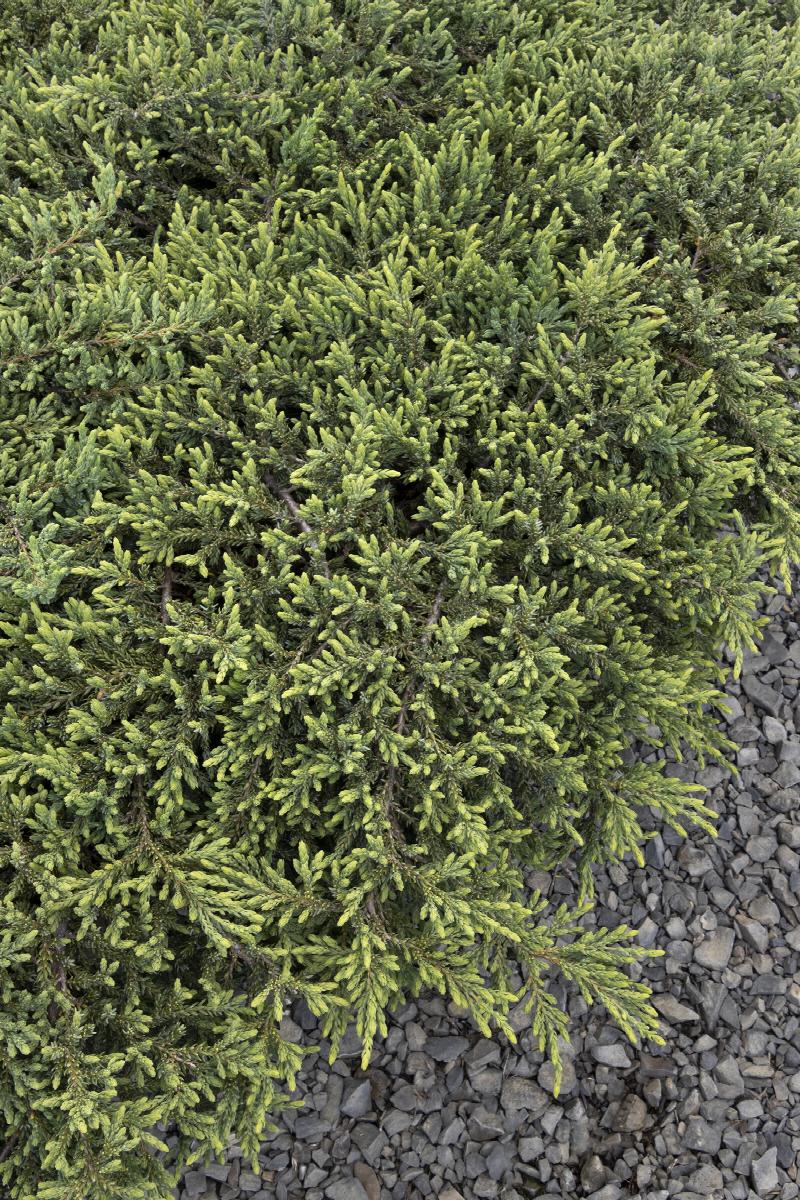
Wonderful for mass plantings, hedges, and foundation plants. Light green lacy textured foliage on slightly arching branches. This Juniper holds its color well in cold weather. Evergreen.
| Botanical Pronunciation: | ju-NIP-er-us chi-NEN-sis |
| Key feature: | Easy Care Plant |
| Plant type: | Conifer |
| Garden style: | Asian/Zen |
| Deciduous/evergreen: | Evergreen |
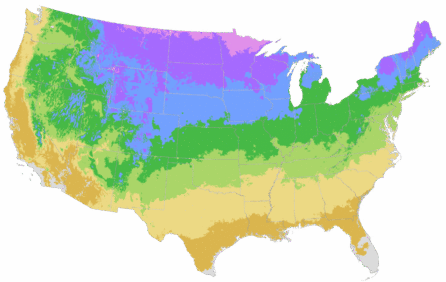
| Cold hardiness zones: | 3 - 9 |
| Light needs: | Full sun |
| Water Needs: | Once established, needs only occasional watering. |
| Average landscape size: | Moderate growing 4 to 5 ft. high with equal or more spread. |
| Growth rate: | Moderate |
| Special features: | Deer Resistant, Easy Care, Waterwise |
| Landscape uses: | Border, Erosion Control, Hedge, Seacoast Exposure |
| Blooms: | Does not flower |
| Foliage color: | Light Green |
| Item no.: | 4680 |
| Retailers for this plant: |
Care Information
Follow a regular watering schedule during the first growing season to establish a deep, extensive root system. Feed with a general purpose fertilizer before new growth begins in spring. For a tidy, neat appearance, shear annually to shape.
Design Ideas
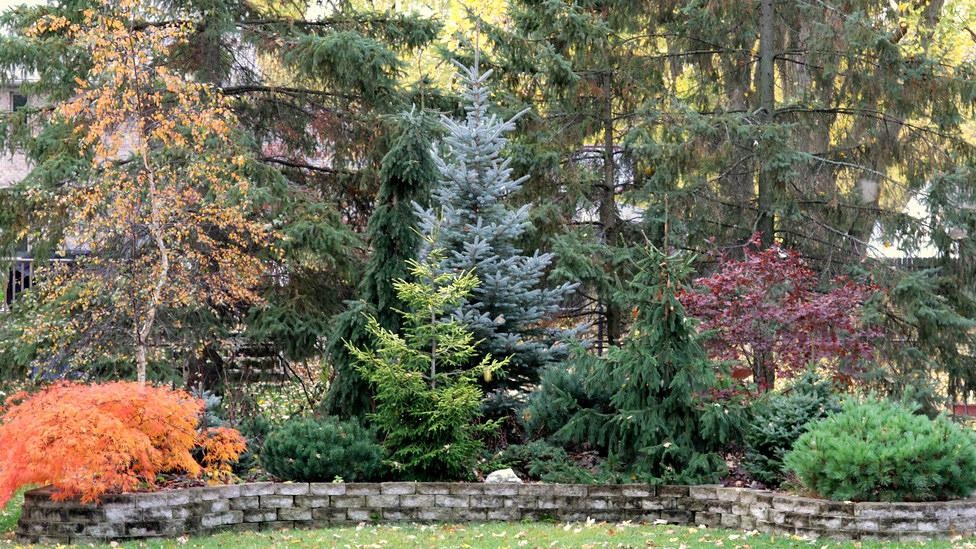
Upright Juniper such as this are planted at corners of the house or in spaces between windows and beside doorways. Use as a single specimen either left to grow naturally or clipped into a formal shape. Great barrier hedges for driveway separation or to discourage pedestrian traffic. Makes a good hot or cold windbreak hedge for seating areas, but short enough so it won't block sunshine or views.
Companion Plants
Armstrong Juniper should be planted with shrubs that display interesting seasonal effects against its unchanging character. Try Dwarf Burning Bush (Euonymus alatus 'Compactus') for fall color. Enjoy bright holiday berries on foundation planting with the Lowboy Pyracantha (Pyracantha coccinea 'Lowboy'). In hot inland deserts, pair with Turner's Carnival Oleander (Nerium oleander Turner's CarnivalTM) for pretty pink spring flowers.
History
There are over sixty species in the genus Juniperus. This group was named for its point of origin, central and northern China where it grows in the mountains up to 10,000 feet. The Chinese produced a number of cultivars that found their way west early on, yielding an array of colors, forms and sizes. Extensive breeding ensued in the United States and Canada for more creative forms to flesh out the limited palettes of cold climate landscapes.
Lore
Juniper berries were the original flavoring for gin and its oil has been utilized in a variety of industrial preparations.
Wonderful for mass plantings, hedges, and foundation plants. Light green lacy textured foliage on slightly arching branches. This Juniper holds its color well in cold weather. Evergreen.
Care Information
Follow a regular watering schedule during the first growing season to establish a deep, extensive root system. Feed with a general purpose fertilizer before new growth begins in spring. For a tidy, neat appearance, shear annually to shape.
Design Ideas
Upright Juniper such as this are planted at corners of the house or in spaces between windows and beside doorways. Use as a single specimen either left to grow naturally or clipped into a formal shape. Great barrier hedges for driveway separation or to discourage pedestrian traffic. Makes a good hot or cold windbreak hedge for seating areas, but short enough so it won't block sunshine or views.
Companion Plants
Armstrong Juniper should be planted with shrubs that display interesting seasonal effects against its unchanging character. Try Dwarf Burning Bush (Euonymus alatus 'Compactus') for fall color. Enjoy bright holiday berries on foundation planting with the Lowboy Pyracantha (Pyracantha coccinea 'Lowboy'). In hot inland deserts, pair with Turner's Carnival Oleander (Nerium oleander Turner's CarnivalTM) for pretty pink spring flowers.
History
There are over sixty species in the genus Juniperus. This group was named for its point of origin, central and northern China where it grows in the mountains up to 10,000 feet. The Chinese produced a number of cultivars that found their way west early on, yielding an array of colors, forms and sizes. Extensive breeding ensued in the United States and Canada for more creative forms to flesh out the limited palettes of cold climate landscapes.
Lore
Juniper berries were the original flavoring for gin and its oil has been utilized in a variety of industrial preparations.
| Botanical Pronunciation: | ju-NIP-er-us chi-NEN-sis |
| Key feature: | Easy Care Plant |
| Plant type: | Conifer |
| Garden style: | Asian/Zen |
| Deciduous/evergreen: | Evergreen |
| Cold hardiness zones: | 3 - 9 |
| Light needs: | Full sun |
| Water Needs: | Once established, needs only occasional watering. |
| Average landscape size: | Moderate growing 4 to 5 ft. high with equal or more spread. |
| Growth rate: | Moderate |
| Special features: | Deer Resistant, Easy Care, Waterwise |
| Landscape uses: | Border, Erosion Control, Hedge, Seacoast Exposure |
| Blooms: | Does not flower |
| Foliage color: | Light Green |
| Item no.: | 4680 |