
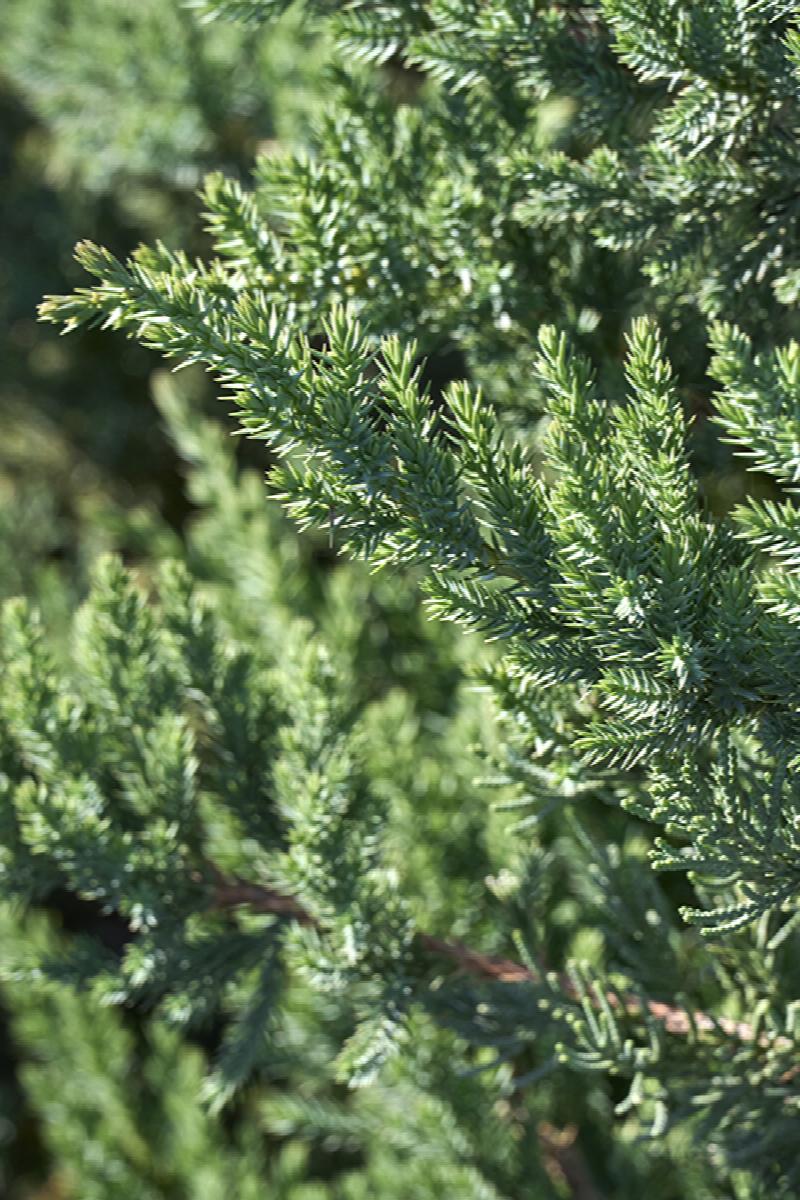
San Jose Juniper
Juniperus chinensis 'San Jose'
Pronunciation: ju-NIP-er-us chi-NEN-sis
SKU #04845
| Description | An extremely versatile conifer that can easily be used as a low border, groundcover, or container plant. Stiff, irregular branches with attractive, scaled, sage green foliage make this an excellent choice for training as a bonsai or other topiary form. Evergreen. |
|---|---|
| Light | Full sun |
| Watering | Water when top 2 inches of soil is dry. |
| Blooms | Conifer; prized for foliage. |
| Mature Size | Slow growing; reaches 1 to 2 ft. tall, 6 to 9 ft. wide, in natural form. |
| Deciduous/Evergreen | Evergreen |
|---|---|
| Special Features | Dramatic Foliage Color, Easy Care, Waterwise, Benefits Birds |
| Problems/Solutions | Coastal Exposure, Deer Resistant, Erosion Control, Rabbit Resistant, Drought Tolerant, Tolerates Urban Pollution |
| Growth Rate | Slow |
| Growth Habit | Spreading |
| Landscape Use | Border, Container, Ground Cover, Suitable for Topiary |
|---|---|
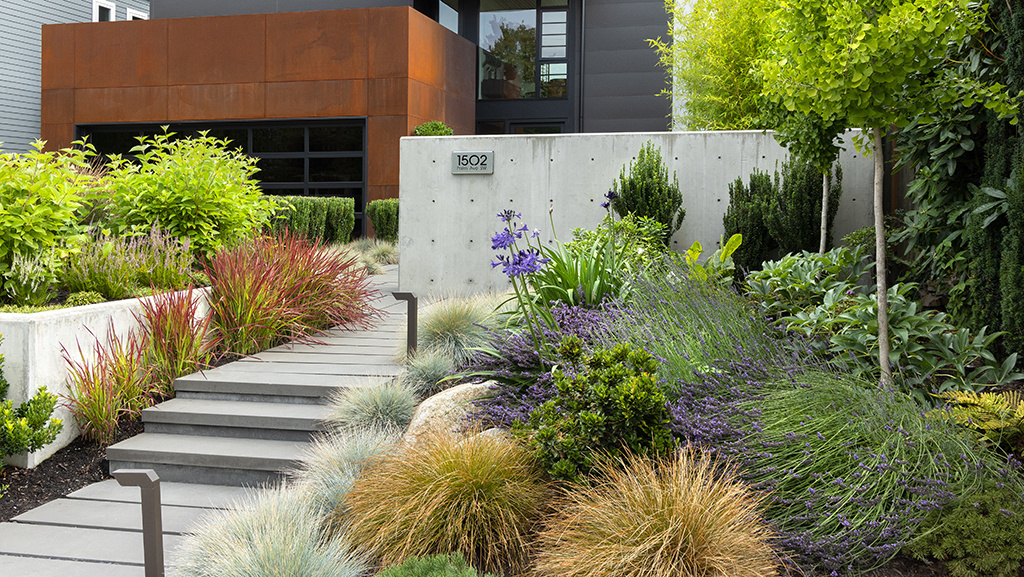
| Design Ideas | Here is a very easy, low growing plant that fills a dozen uses. A super groundcover for slopes or large borders. Its beauty is revealed when trained as an Asian garden bonsai or topiary form and planted in a lovely, square ceramic pot. Ideal for cascading over the edges of raised planters or to grow around hillside rocks and boulders. Excellent in small city gardens for evergreen sculptural quality. |
| Foliage Color | Gray-green |
| Companion Plants | Russian Sage (Perovskia); Rose (Rosa); Clematis (Clematis); Catmint (Nepeta); Barberry (Berberis); Maiden Grass (Miscanthus) |
| Care | Highly adaptable and easy to grow in most well-drained soils; avoid overly wet conditions. Water deeply, regularly during the first growing season to establish an extensive root system. Once established, reduce frequency; tolerates mild drought. Apply fertilizer before new growth begins in spring. Prune annually to shape. |
|---|
This Plant's Growing Zones: 4-9
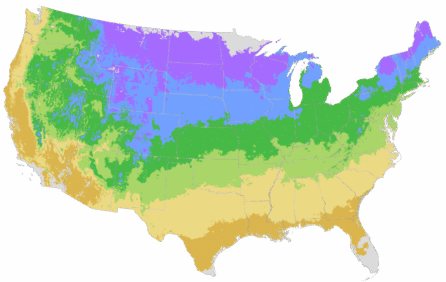
Your USDA Cold Hardiness Zone:
Your climate may be too cold for this plant
Buy Online
We cannot currently ship this product to your zip code.
Buy Locally
No Retailers found within 50 miles of your zipcode
About Us
We have been pioneers and craftsmen in the art of growing plants for nearly
100 years. Since our founding in Southern California by Harry E. Rosedale, Sr.
in 1926, we have been absolutely dedicated and obsessed with quality.
We have been pioneers and craftsmen in the art of growing plants for nearly 100 years. Since our founding in Southern California by Harry E. Rosedale, Sr. in 1926, we have been absolutely dedicated and obsessed with quality.