
You're growing in this Zip Code:
Change LocationDiscover Plants for Your Area
Fragrant Himalayan Champaca
Michelia champaca
Pronunciation: my-KEE-lee-a CHAM-pac-a
SKU #06148
LIGHT:
Full sun
WATER:
Water when top 2 inches of soil is dry.
SIZE:
Slow growing; reaches 25 to 30 ft. tall and wide.

Retailers Near You
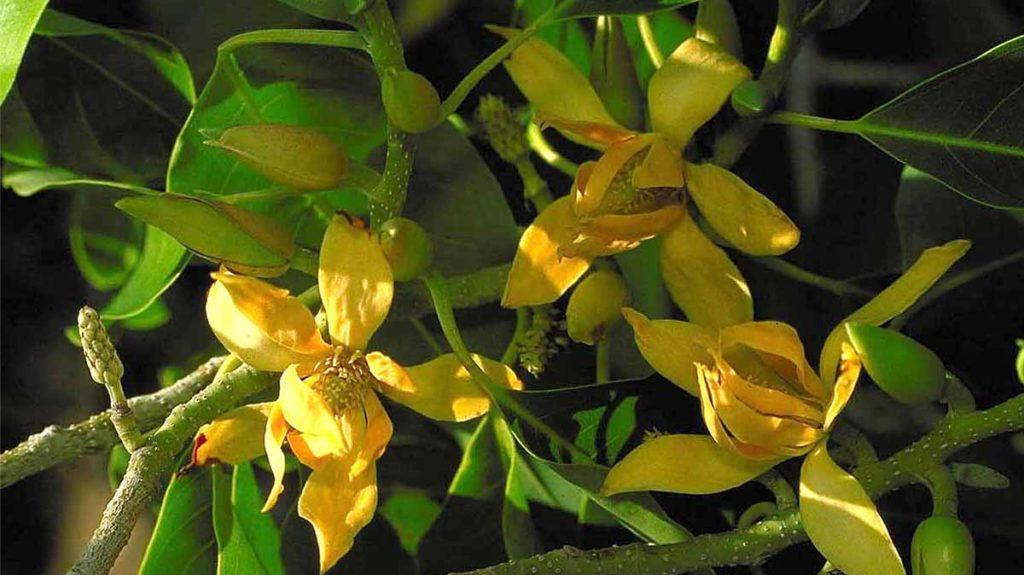
| Description | An excellent ornamental tree that produces an abundance of extremely fragrant yellow flowers over a long season, from the middle of winter and throughout spring, nestled between handsome, large, lush, glossy, bright green leaves. Matures to a bold, broad, upright form. A handsome specimen for lawn or garden. Evergreen. |
|---|---|
| Bloom Time | Mid-winter through spring |
| Deciduous/Evergreen | Evergreen |
| Problems/Solutions | Coastal Exposure |
| Growth Rate | Slow |
| Growth Habit | Rounded |
| Flower Attributes | Fragrant, Showy Flowers |
| Landscape Use | Border |
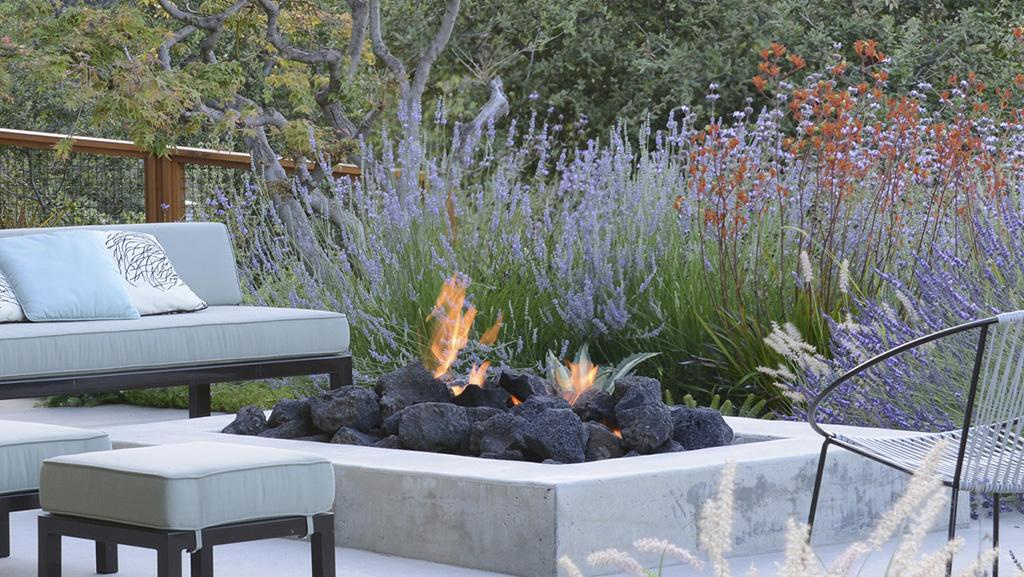
| Design Ideas | Big and evergreen, this is a perfect free-blooming accent tree with a bonus of fragrance. Plant in the front yard or entry court to welcome guests with fragrant shade. Perfect for disguising safety fences surrounding a swimming pool or spa. A reliable semitropical foundation plant for the backyard. Creates an excellent hedge for screening along a fence. Size and density is also good for absorbing adjacent noise from streets or schools. |
| Flower Color | Yellow |
| Foliage Color | Green |
| Companion Plants | Lantana (Lantana); Butterfly Bush (Buddleja); Coneflower (Echinacea); Verbena (Verbena); Salvia (Salvia) |
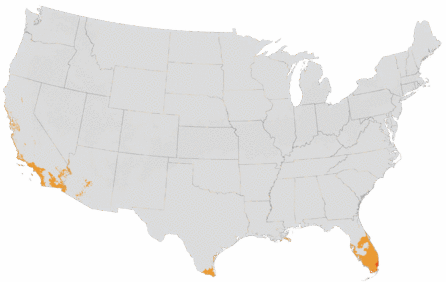
| Care Instructions | Provide deep, organically rich, slightly acidic, well-drained, loamy soil. Thrives in temperate coastal regions and warm, frost-free regions with regular moisture. Water deeply, regularly during the first few growing seasons to establish an extensive root system; once established, reduce frequency. Fertilize regularly during growing season. |
| History | This plant falls into a genus of about 45 Asian trees and shrubs that are closely related to the genus Magnolia. It was classified in the 18th century and named for Florentine botanist, Peter A. Michel (1679-1737). This is a native of the Himalayan regions of northern India and southern China where it is commonly called fragrant champaca. |
| Lore | According to Tibetan beliefs, the Buddha of the next era will find enlightenment under the white flower canopy of the champaca tree. |
Details
| Description | An excellent ornamental tree that produces an abundance of extremely fragrant yellow flowers over a long season, from the middle of winter and throughout spring, nestled between handsome, large, lush, glossy, bright green leaves. Matures to a bold, broad, upright form. A handsome specimen for lawn or garden. Evergreen. |
|---|---|
| Bloom Time | Mid-winter through spring |
| Deciduous/Evergreen | Evergreen |
| Problems/Solutions | Coastal Exposure |
| Growth Rate | Slow |
| Growth Habit | Rounded |
| Flower Attributes | Fragrant, Showy Flowers |
Style
| Landscape Use | Border |
|---|---|
| Design Ideas | Big and evergreen, this is a perfect free-blooming accent tree with a bonus of fragrance. Plant in the front yard or entry court to welcome guests with fragrant shade. Perfect for disguising safety fences surrounding a swimming pool or spa. A reliable semitropical foundation plant for the backyard. Creates an excellent hedge for screening along a fence. Size and density is also good for absorbing adjacent noise from streets or schools. |
| Flower Color | Yellow |
| Foliage Color | Green |
| Companion Plants | Lantana (Lantana); Butterfly Bush (Buddleja); Coneflower (Echinacea); Verbena (Verbena); Salvia (Salvia) |
Care
| Care Instructions | Provide deep, organically rich, slightly acidic, well-drained, loamy soil. Thrives in temperate coastal regions and warm, frost-free regions with regular moisture. Water deeply, regularly during the first few growing seasons to establish an extensive root system; once established, reduce frequency. Fertilize regularly during growing season. |
|---|
History
| History | This plant falls into a genus of about 45 Asian trees and shrubs that are closely related to the genus Magnolia. It was classified in the 18th century and named for Florentine botanist, Peter A. Michel (1679-1737). This is a native of the Himalayan regions of northern India and southern China where it is commonly called fragrant champaca. |
|---|---|
| Lore | According to Tibetan beliefs, the Buddha of the next era will find enlightenment under the white flower canopy of the champaca tree. |
Retailers Near You
About Us
We have been pioneers and craftsmen in the art of growing plants for 100 years. Since our founding in Southern California by Harry E. Rosedale, Sr. in 1926, we have been absolutely dedicated and obsessed with quality.
We have been pioneers and craftsmen in the art of growing plants for nearly 100 years. Since our founding in Southern California by Harry E. Rosedale, Sr. in 1926, we have been absolutely dedicated and obsessed with quality.