
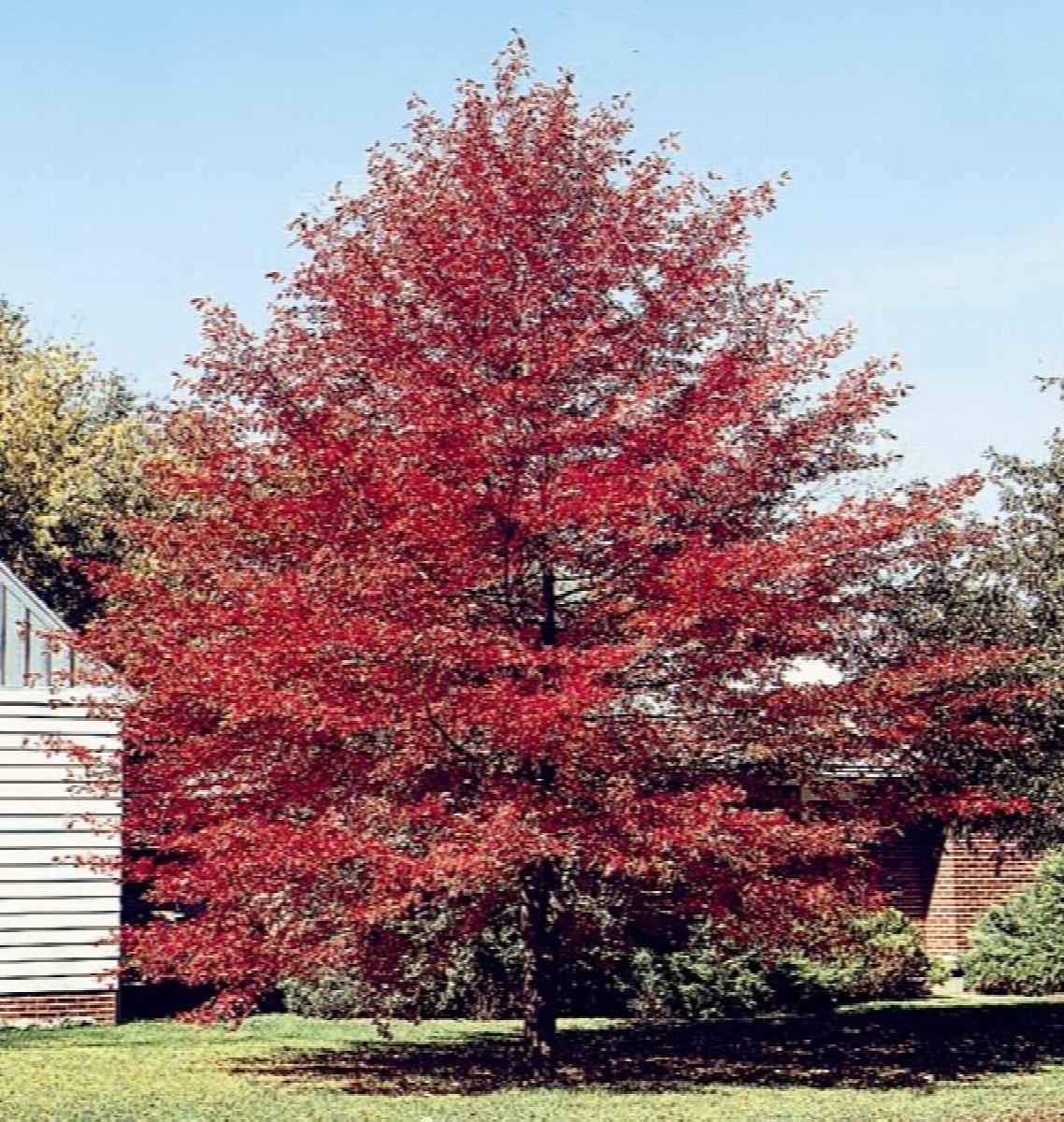
Tupelo
Nyssa sylvatica
Pronunciation: NIS-a sil-VAT-i-ka
SKU #06295
| Description | Awesome display of orange-yellow-scarlet foliage in fall turns to a dramatic show of bare, red-tinged branches in winter. Dark blue fruit attracts birds. Terrific garden tree. Deciduous. |
|---|---|
| Light | Full sun |
| Watering | Water when top 3 inches of soil is dry. |
| Blooms | Inconspicuous; prized for foliage. |
| Mature Size | Moderate growing; reaches 30 to 50 ft. tall, 20 to 30 ft. wide, or larger. |
| Deciduous/Evergreen | Deciduous |
|---|---|
| Special Features | Attractive Bark, Fall Color, North American Native Selection, Waterwise, Benefits Birds |
| Problems/Solutions | Coastal Exposure, Very Wet Areas, Road Salt Tolerant |
| Growth Rate | Moderate |
| Growth Habit | Rounded |
| Design Ideas | This beautiful native of the Southeast is an excellent tree for low and damp areas. Use as a shade tree in wild and native gardens. Place in the back of the landscape, where it has room to flourish. |
|---|---|
| Foliage Color | Dark Green |
| Companion Plants | Sweetgum (Liquidambar); Southern Magnolia (Magnolia grandiflora); Yellow Twig Dogwood (Cornus sericea); Swamp Jessamine (Gelsemium); Carolina Allspice (Calycanthus floridus) |
| Care | Provide deep, acidic, moist, well-drained soil. Water deeply and regularly during the first few growing seasons to establish an extensive root system. Once established prefers evenly moist soil, but tolerates dry spells and heavy moisture. Apply fertilizer before new growth begins in spring. Prune for shape and structure in winter. |
|---|
| Lore | Linnaeus who conferred the name, Nyssa, after a mythological water nymph to describe the tree's preference for watery sites. |
|---|
This Plant's Growing Zones: 4-9
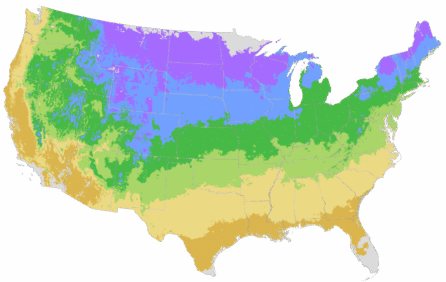
Your USDA Cold Hardiness Zone:
Your climate may be too cold for this plant
Buy Online
This plant is not available to purchase online.
We no longer grow this plant. For replacement suggestions, check out the plants “You May Also Like” below.
Buy Locally
No Retailers found within 50 miles of your zipcode
About Us
We have been pioneers and craftsmen in the art of growing plants for nearly
100 years. Since our founding in Southern California by Harry E. Rosedale, Sr.
in 1926, we have been absolutely dedicated and obsessed with quality.
We have been pioneers and craftsmen in the art of growing plants for nearly 100 years. Since our founding in Southern California by Harry E. Rosedale, Sr. in 1926, we have been absolutely dedicated and obsessed with quality.