
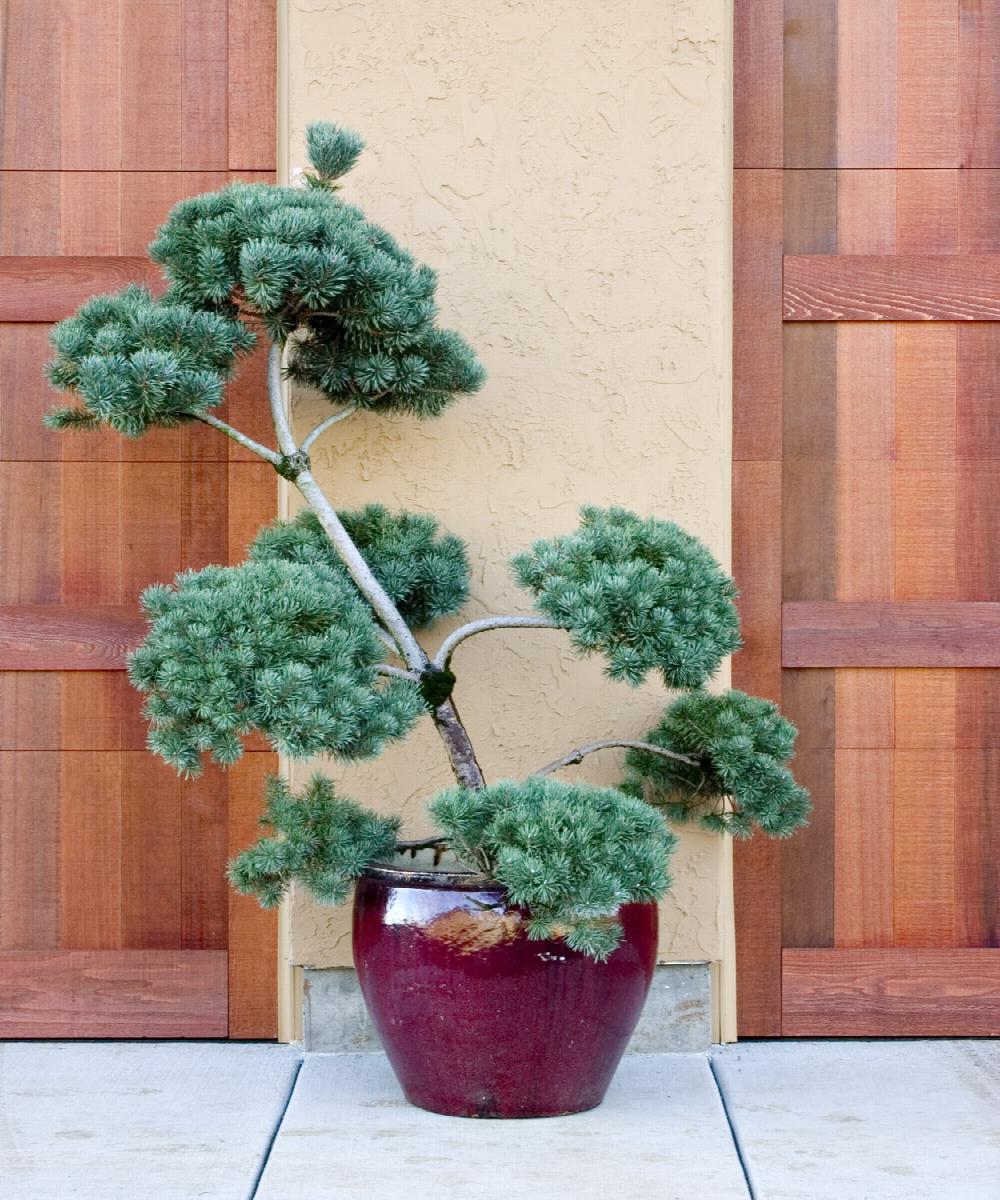
French Blue Scotch Pine
Pinus sylvestris 'French Blue'
Pronunciation: PY-nus sil-VES-tris
SKU #06552
| Description | A superior selection of this popular evergreen tree. Foliage is brighter blue than other forms; the coloring is retained through the winter. Growth habit is more uniform and compact. A lovely accent. |
|---|---|
| Light | Full sun |
| Watering | Water when top 2 inches of soil is dry. |
| Blooms | Conifer; prized for foliage. |
| Mature Size | Moderate growing; reaches 40 to 60 ft. tall, 20 to 25 ft. wide. |
| Deciduous/Evergreen | Evergreen |
|---|---|
| Special Features | Dramatic Foliage Color, Easy Care, Showy Fruit, Waterwise, Compact Form, Benefits Birds |
| Problems/Solutions | Deer Resistant, Rabbit Resistant |
| Growth Rate | Moderate |
| Growth Habit | Pyramidal |
| Landscape Use | Container, Privacy Screen, Windbreak, Suitable for Topiary |
|---|---|
| Design Ideas | This is a very hardy Pine for larger suburban homesites, where it's blue tint is a fine contrast against more emerald evergreens. Plant in a dense group to provide a woodland enclosure for more spectacular deciduous trees and shrubs. Makes a great single accent or use a pair to flank a driveway entry. Good choice for screening off neighboring multistory windows. Tall and thin, it makes a good small-scale windrow or use as a shelterbelt component. |
| Foliage Color | Blue-green |
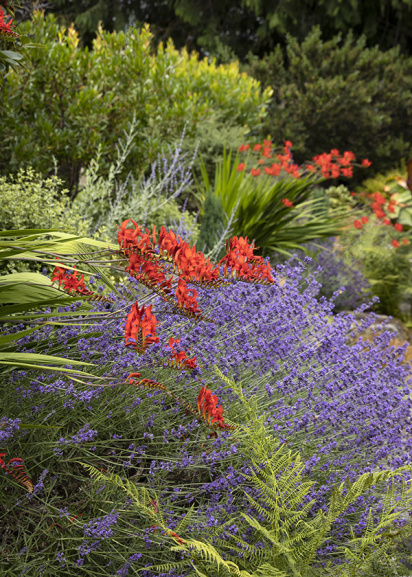
| Companion Plants | Switch Grass (Panicum); False Cypress (Chamaecyparis); Black-Eyed Susan (Rudbeckia); Russian Sage (Perovskia); Coneflower (Echinacea) |
| Care | Provide enriched, loamy, well-drained soil. Water deeply and regularly during the first growing season to establish an extensive root system; once established, reduce frequency. Feed with a general purpose fertilizer before new growth begins in spring. Prune as needed to maintain topiary size and shape. |
|---|
This Plant's Growing Zones: 2-7
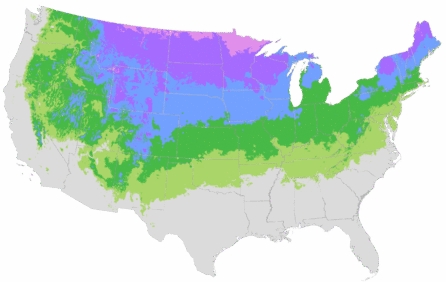
Your USDA Cold Hardiness Zone:
Your climate may be too cold for this plant
Buy Online
We cannot currently ship this product to your zip code.
Buy Locally
No Retailers found within 50 miles of your zipcode
About Us
We have been pioneers and craftsmen in the art of growing plants for nearly
100 years. Since our founding in Southern California by Harry E. Rosedale, Sr.
in 1926, we have been absolutely dedicated and obsessed with quality.
We have been pioneers and craftsmen in the art of growing plants for nearly 100 years. Since our founding in Southern California by Harry E. Rosedale, Sr. in 1926, we have been absolutely dedicated and obsessed with quality.