
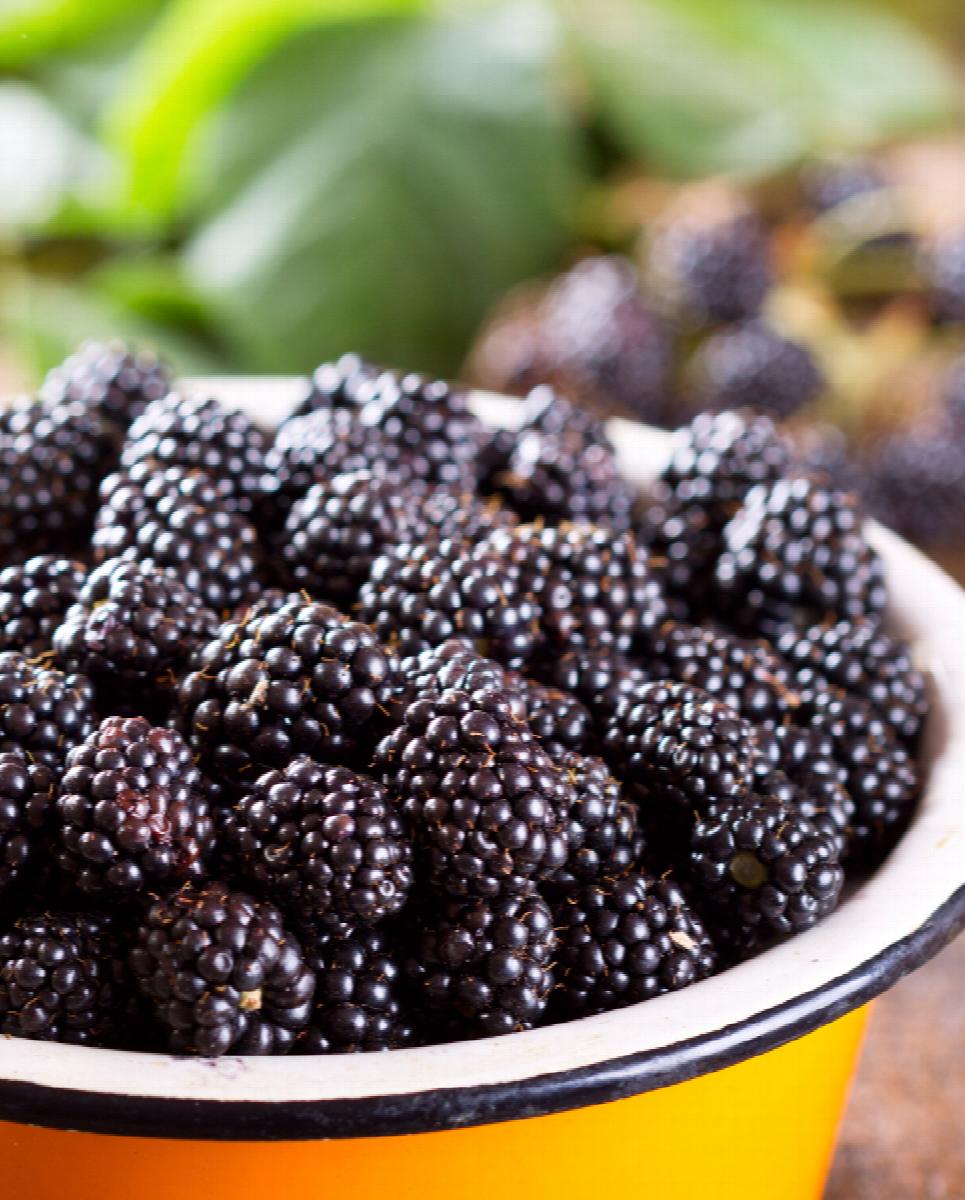
"Thornless" Boysenberry
Rubus ursinus x ideaus 'Thornless'
Pronunciation: ROO-bus ur-SEE-nus eye-DAY-us
SKU #06991
| Description | A prolific producer of sweet-tart, large, reddish black fruit in midsummer on second year growth. Small white flowers precede the fruit in spring. Unfortunately, despite it's given name, it is not truly thornless, but the size and number of thorns is less than the thorny variety. Thorny canes may emerge from the ground, depending on conditions. The fruit can be eaten fresh, cooked, or frozen. Deciduous. |
|---|---|
| Light | Full sun |
| Watering | Water when top 2 inches of soil is dry. |
| Blooms | Spring |
| Mature Size | Quickly reaches 5 to 6 ft. tall and wide. |
| Deciduous/Evergreen | Deciduous |
|---|---|
| Special Features | Showy Fruit, Edible, Fast Growing, Benefits Birds |
| Growth Rate | Fast |
| Landscape Use | Border |
|---|---|
| Design Ideas | Plant this tasty berry near a fence, wall or wherever you can provide plenty of support and room for its fruit-laden, nearly thornless canes. Grow as a freestanding shrub in a large garden bed and stake canes. This berry is an excellent addition to the fruit and kitchen garden. |
| Flower Color | White |
| Foliage Color | Green |
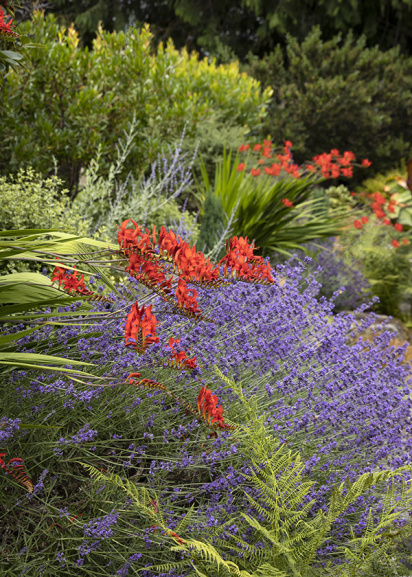
| Companion Plants | Salvia (Salvia); Rosemary (Rosmarinus); Yarrow (Achillea); Russian Sage (Perovskia); Lavender (Lavandula) |
| Care | Provide fertile, mildly acidic, well-drained soil. In hot summer regions, shelter from harsh sun, and mulch to keep roots cool. Water deeply, regularly in first growing season to establish extensive root system. Feed in early spring. After harvest, remove canes that have fruited. Leave newer canes to produce next season's crop; train on a trellis. |
|---|
| Lore | The name blackberry is a misnomer because this isn't a true berry. It's a drupe, an entirely different sort of fruit. |
|---|
This Plant's Growing Zones: 5-9
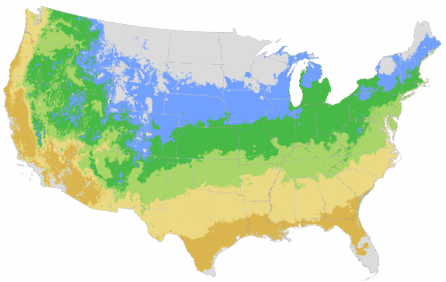
Your USDA Cold Hardiness Zone:
Your climate may be too cold for this plant
Buy Online
We cannot currently ship this product to your zip code.
Buy Locally
No Retailers found within 50 miles of your zipcode
About Us
We have been pioneers and craftsmen in the art of growing plants for nearly
100 years. Since our founding in Southern California by Harry E. Rosedale, Sr.
in 1926, we have been absolutely dedicated and obsessed with quality.
We have been pioneers and craftsmen in the art of growing plants for nearly 100 years. Since our founding in Southern California by Harry E. Rosedale, Sr. in 1926, we have been absolutely dedicated and obsessed with quality.