Red Beauty® Holly
Ilex x 'Rutzan' P.P.# 14750
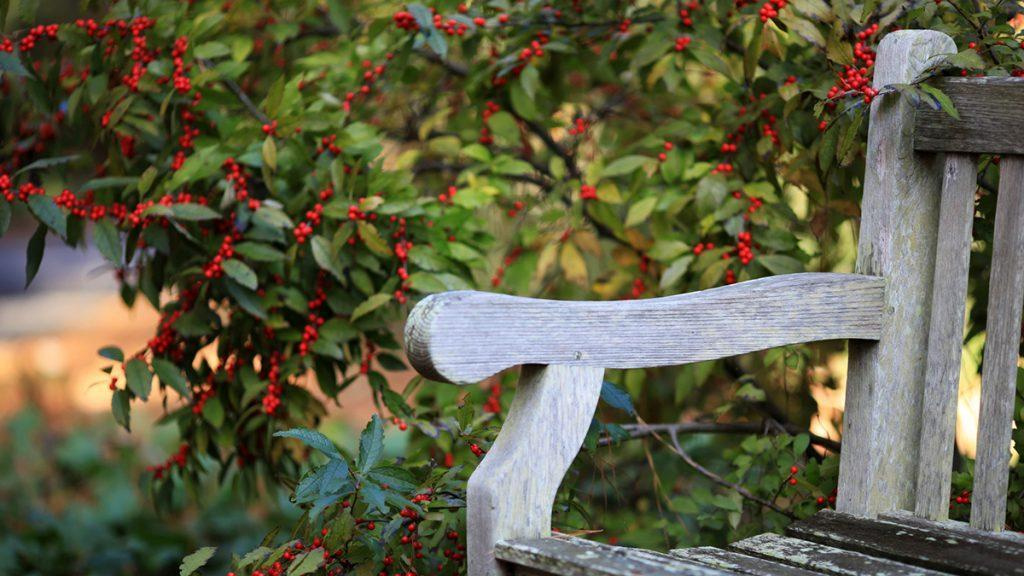
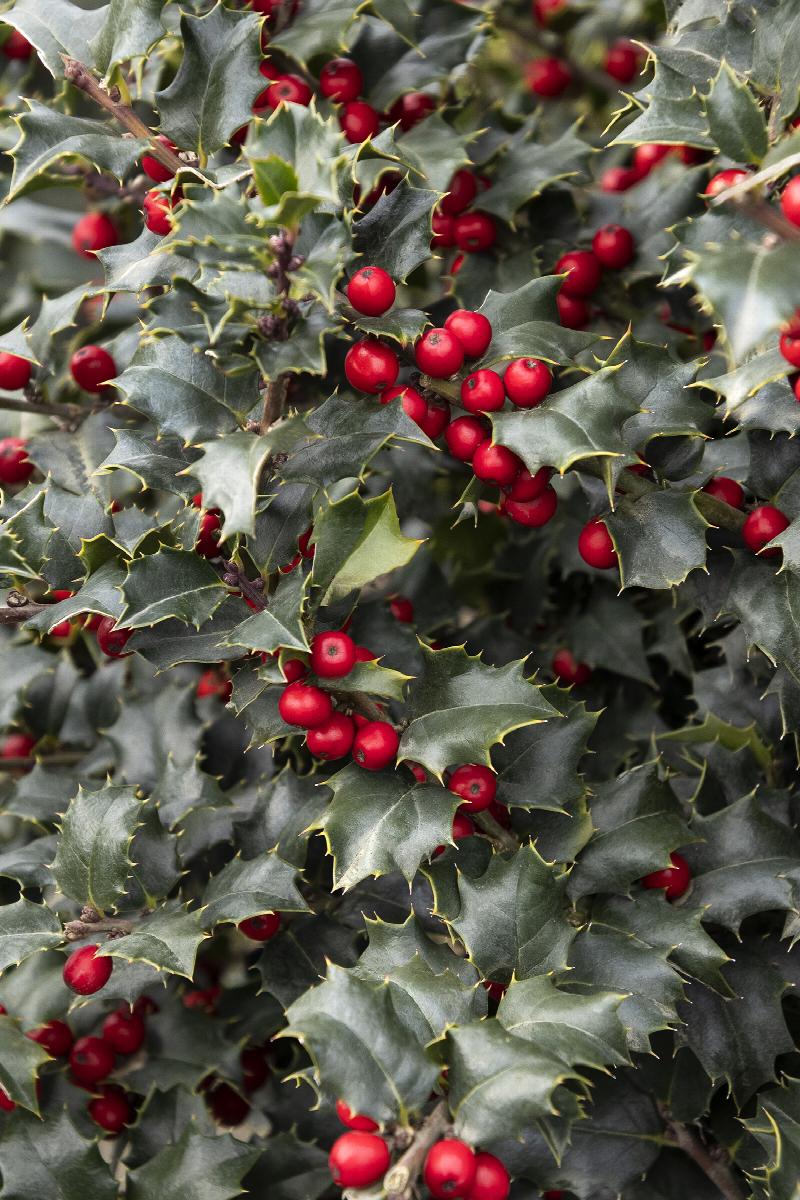
Abundant crops of bright red berries combined with dense, dark green foliage create an annual spectacle. A beautiful specimen or hedge. Use for framing an entrance or lining a drive. Best berry display with a male pollenizer nearby such as Ilex x 'Blue Prince'. Marketed under license from Rutgers University. Maintains its dense, upright, conical form with little or no pruning. Evergreen.
| Botanical Pronunciation: | EYE-leks |
| Key feature: | Deer Resistant |
| Plant type: | Shrub |
| Patent Act: | Asexual reproduction of plants protected by the Plant Patent Act is prohibited during the life of the patent. |
| Garden style: | Asian/Zen |
| Deciduous/evergreen: | Evergreen |
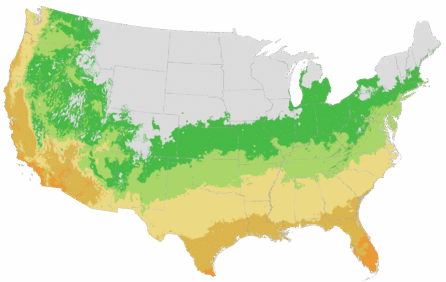
| Cold hardiness zones: | 6 - 10 |
| Light needs: | Partial to full sun |
| Water Needs: | Needs regular watering - weekly, or more often in extreme heat. |
| Average landscape size: | Moderate growing 7 to 10 ft. tall, 4 to 5 ft. wide. |
| Growth rate: | Moderate |
| Special features: | Attracts Birds, Deer Resistant, Easy Care, Ornamental Berries, Year-round Interest |
| Landscape uses: | Mass Planting, Privacy Screen, Specimen |
| Flower color: | White |
| Blooms: | Spring |
| Foliage color: | Dark Green |
| Item no.: | 1965 |
| Retailers for this plant: |
Care Information
Follow a regular watering schedule during the first growing season to establish a deep, extensive root system. Feed with a general purpose fertilizer before new growth begins in spring. For a tidy, neat appearance, shear to shape in early spring. Pruning time: winter.
Design Ideas
This versatile and easy care Holly is a wonderful addition to any garden style. Whether you have an Asian, European or Wildlife garden, Red Beauty can be included as a specimen, hedge or mass planting. Plant it in view of the street or picture window and string it with lights for a living Christmas tree. Its conical, dense form makes it easy care and a stunning addition to large gardens and natural areas.
Companion Plants
Although perfect as a stand alone specimen or living Christmas tree, you can pair Red Beauty with other bird loving plants like Snowberry, Apple Serviceberry, Cranberrybush, Woodbine Honeysuckle, Japanese Flowering Quince, Cotoneaster, Echinacea and Raspberry.
History
This hybrid Holly comes to us after 22 years of research by Dr. Elwin Orton of Rutgers University in New Brunswich, NJ and combines the best genetic traits of I. meserveae and I. pernyi. I. x meserveae were originally bred by Mrs. Leighton Meserve of New York by using two species, I. rugosa, a cold hardy, Japanese spreading Holly, and I. aquifolium, a European tree holly that produces an abundance of berries. I. pernyi was introduced to the west by E.H. Wilson, a notable plant collector from England. He discovered the Holly in western China along the Min River. Holly berries are mildly toxic and will cause vomiting and diarrhea if eaten by humans. They are an extremely valuable food source to birds and other animals. Red Beauty requires a male pollenizer to set berries. Any of the male I. meserveae varieties such as Blue Prince work best.
Videos Featuring the Red Beauty® Holly
Foundation Plants (03:21)
Foundation plants are the bones of the garden. They provide the...
Abundant crops of bright red berries combined with dense, dark green foliage create an annual spectacle. A beautiful specimen or hedge. Use for framing an entrance or lining a drive. Best berry display with a male pollenizer nearby such as Ilex x 'Blue Prince'. Marketed under license from Rutgers University. Maintains its dense, upright, conical form with little or no pruning. Evergreen.
Care Information
Follow a regular watering schedule during the first growing season to establish a deep, extensive root system. Feed with a general purpose fertilizer before new growth begins in spring. For a tidy, neat appearance, shear to shape in early spring. Pruning time: winter.
Design Ideas
This versatile and easy care Holly is a wonderful addition to any garden style. Whether you have an Asian, European or Wildlife garden, Red Beauty can be included as a specimen, hedge or mass planting. Plant it in view of the street or picture window and string it with lights for a living Christmas tree. Its conical, dense form makes it easy care and a stunning addition to large gardens and natural areas.
Companion Plants
Although perfect as a stand alone specimen or living Christmas tree, you can pair Red Beauty with other bird loving plants like Snowberry, Apple Serviceberry, Cranberrybush, Woodbine Honeysuckle, Japanese Flowering Quince, Cotoneaster, Echinacea and Raspberry.
History
This hybrid Holly comes to us after 22 years of research by Dr. Elwin Orton of Rutgers University in New Brunswich, NJ and combines the best genetic traits of I. meserveae and I. pernyi. I. x meserveae were originally bred by Mrs. Leighton Meserve of New York by using two species, I. rugosa, a cold hardy, Japanese spreading Holly, and I. aquifolium, a European tree holly that produces an abundance of berries. I. pernyi was introduced to the west by E.H. Wilson, a notable plant collector from England. He discovered the Holly in western China along the Min River. Holly berries are mildly toxic and will cause vomiting and diarrhea if eaten by humans. They are an extremely valuable food source to birds and other animals. Red Beauty requires a male pollenizer to set berries. Any of the male I. meserveae varieties such as Blue Prince work best.
| Botanical Pronunciation: | EYE-leks |
| Key feature: | Deer Resistant |
| Plant type: | Shrub |
| Patent Act: | Asexual reproduction of plants protected by the Plant Patent Act is prohibited during the life of the patent. |
| Garden style: | Asian/Zen |
| Deciduous/evergreen: | Evergreen |
| Cold hardiness zones: | 6 - 10 |
| Light needs: | Partial to full sun |
| Water Needs: | Needs regular watering - weekly, or more often in extreme heat. |
| Average landscape size: | Moderate growing 7 to 10 ft. tall, 4 to 5 ft. wide. |
| Growth rate: | Moderate |
| Special features: | Attracts Birds, Deer Resistant, Easy Care, Ornamental Berries, Year-round Interest |
| Landscape uses: | Mass Planting, Privacy Screen, Specimen |
| Flower color: | White |
| Blooms: | Spring |
| Foliage color: | Dark Green |
| Item no.: | 1965 |