
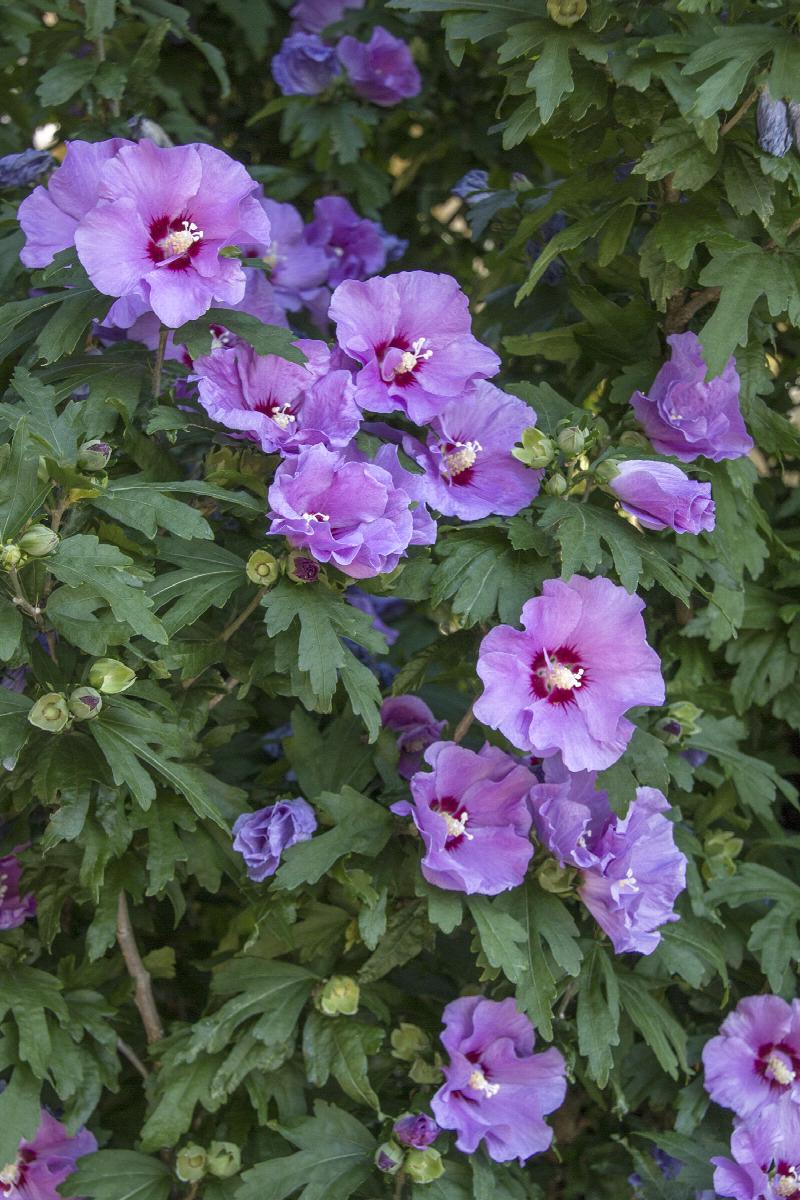
Minerva Rose of Sharon
Hibiscus syriacus 'Minerva'
Pronunciation: hi-BIS-kus si-ri-A-kus
SKU #00230
| Description | Compact, deciduous shrub selected for abundance of superior, continuous flowers with longer bloom season and little to no seed production. Lavender flowers have a pink overlay and dark red eye. Dense habit of handsome, leathery, dark green foliage creates a wonderful informal hedge or screen. Highly tolerant to air pollution and drought. |
|---|---|
| Light | Full sun, Partial sun |
| Watering | Water when top 2 inches of soil is dry. |
| Blooms | Summer |
| Mature Size | Moderate growing; reaches 10 ft. high, 6 ft. wide. |
| Deciduous/Evergreen | Deciduous |
|---|---|
| Special Features | Attracts Hummingbirds, Easy Care, Non-toxic to Cats and Dogs, Compact Form, Benefits Birds |
| Problems/Solutions | Coastal Exposure, Tolerates Urban Pollution |
| Growth Rate | Moderate |
| Growth Habit | Upright |
| Flower Attributes | Long Bloom Season, Showy Flowers |
| Landscape Use | Border, Container, Privacy Screen |
|---|---|
| Flower Color | Pink |
| Foliage Color | Green |
| Companion Plants | Boxwood (Buxus); Spirea (Spiraea); Lavender (Lavandula); Viburnum (Viburnum); Potentilla (Potentilla); Phlox (Phlox) |
| Care | Adaptable to most well-drained soils. Water deeply, regularly during first growing season to establish extensive root system. Once established reduce frequency; tolerates brief periods of drought. Apply fertilizer before new growth begins in spring. Prune after flowering to shape or promote vigorous new growth. |
|---|
This Plant's Growing Zones: 5-9
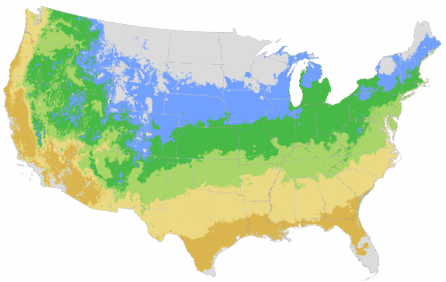
Your USDA Cold Hardiness Zone:
Your climate may be too cold for this plant
Be Inspired
Buy Online
We cannot currently ship this product to your zip code.
Buy Locally
No Retailers found within 50 miles of your zipcode
About Us
We have been pioneers and craftsmen in the art of growing plants for nearly
100 years. Since our founding in Southern California by Harry E. Rosedale, Sr.
in 1926, we have been absolutely dedicated and obsessed with quality.
We have been pioneers and craftsmen in the art of growing plants for nearly 100 years. Since our founding in Southern California by Harry E. Rosedale, Sr. in 1926, we have been absolutely dedicated and obsessed with quality.