
You're growing in this Zip Code:
Change LocationDiscover Plants for Your Area
Color Flash® Astilbe
Astilbe x arendsii 'Beauty of Ernst'
Pronunciation: a-STIL-bee ar-END-see-eye
SKU #02750
LIGHT:
Filtered sun, Full shade, Partial shade, Partial sun
WATER:
Keep soil consistently moist.
SIZE:
Foliage reaches 10 in. tall, 18 in. wide; up to 18 in. tall in bloom.

Home Delivery Price
?
- Arrives in 3 to 7 days
- Free shipping on orders over $99
- Perfect Start Promise
Select Quantity
Retailers Near You
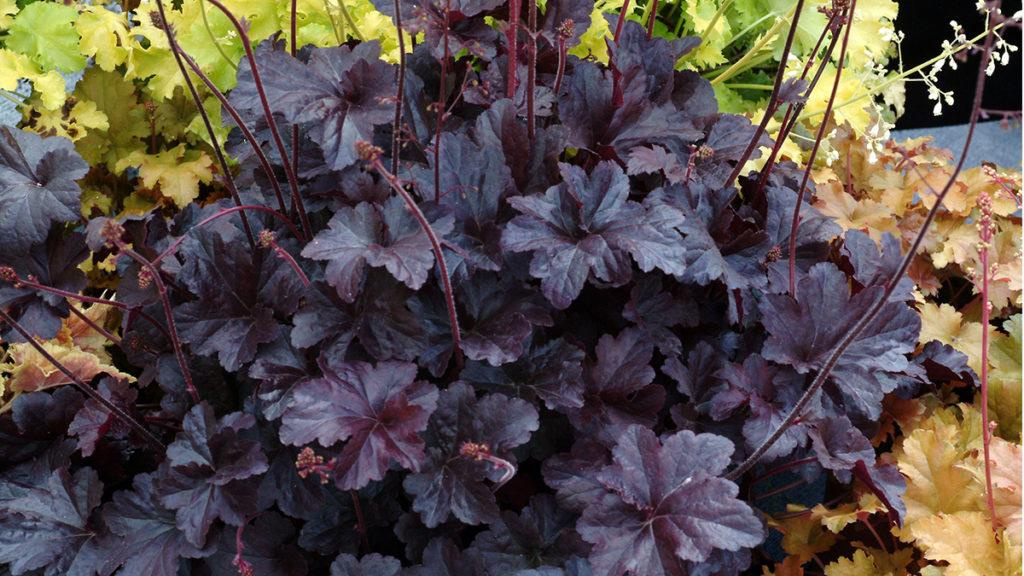
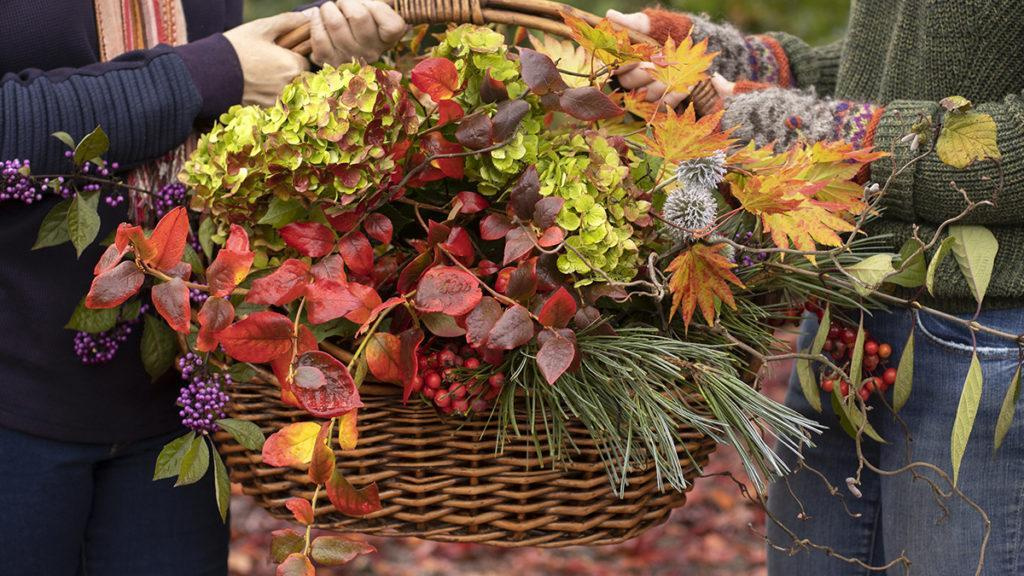
| Description | Brilliant electric green foliage emerges in early spring, soon maturing to a palette of burgundy, purple, and green. In fall, foliage turns vibrant gold, orange and russet colors. Group in flower beds or spot in mixed containers. Tolerates more sun than other varieties, making it much more versatile in the garden. An herbaceous perennial. |
|---|---|
| Bloom Time | Mid to late summer |
| Deciduous/Evergreen | Herbaceous |
| Special Features | Dramatic Foliage Color, Easy Care, Attracts Pollinators |
| Problems/Solutions | Deer Resistant, Erosion Control, Rabbit Resistant, Very Wet Areas, Black Walnut Tolerant |
| Growth Rate | Moderate |
| Flower Attributes | Flowers for Cutting, Long Bloom Season, Showy Flowers |
| Patent Act | Asexual reproduction of plants protected by the Plant Patent Act is prohibited during the life of the patent. |
| Landscape Use | Border, Container |
| Design Ideas | This is one of the stellar perennials of the highbrow border and semi-formal gardens. A superior choice for high profile foundation beds adding foliage interest even when not in bloom. Blends perfectly into the semi-shaded mixed border, providing strong color through summer. Mass or naturalize in woodland gardens. Also at home in country garden settings with hedges and cottage style flowers in informal drifts and masses. Exploit unique coloring with exotic container plant combinations. |
| Flower Color | Pink |
| Foliage Color | Green |
| Companion Plants | Japanese Maple (Acer); Azalea (Azalea); Bleeding Heart (Dicentra); Columbine (Aquilegia); Hosta (Hosta) |
| Care Instructions | Thrives in organically rich, evenly moist, acidic, well-drained soil, sited in bright shade or filtered sun; does not tolerate dry conditions. Mulch to keep roots cool and moist, avoiding the crown. Clip spent blooms for a tidy appearance. Remove old foliage and stems in early spring. Feed in early spring, and again after bloom. |
| History | This well known group of flowers falls into the Saxifragaceae family. The genus was classified by the English authority on plants of India, Francis Buchannan (1762-1829). He named the genus from the Greek for without sheen, or non-shining to describe the mat-like surface of the foliage. For a time in the 19th century these plants were known as Hoteia in Belgium. There are about 14 species of astilbe, mostly from Asia and a couple from North America. This species originates in Japan and is the source of florist's cut material. This ground breaking cultivar so named for its exotic colored foliage was introduced by Anthony Tesselaar. |
| Lore | In Asia, the leaves of astilbe are used as tea and are often a tea substitute when supply is low. The young leaves are also cooked as greens. |
Details
| Description | Brilliant electric green foliage emerges in early spring, soon maturing to a palette of burgundy, purple, and green. In fall, foliage turns vibrant gold, orange and russet colors. Group in flower beds or spot in mixed containers. Tolerates more sun than other varieties, making it much more versatile in the garden. An herbaceous perennial. |
|---|---|
| Bloom Time | Mid to late summer |
| Deciduous/Evergreen | Herbaceous |
| Special Features | Dramatic Foliage Color, Easy Care, Attracts Pollinators |
| Problems/Solutions | Deer Resistant, Erosion Control, Rabbit Resistant, Very Wet Areas, Black Walnut Tolerant |
| Growth Rate | Moderate |
| Flower Attributes | Flowers for Cutting, Long Bloom Season, Showy Flowers |
| Patent Act | Asexual reproduction of plants protected by the Plant Patent Act is prohibited during the life of the patent. |
Style
| Landscape Use | Border, Container |
|---|---|
| Design Ideas | This is one of the stellar perennials of the highbrow border and semi-formal gardens. A superior choice for high profile foundation beds adding foliage interest even when not in bloom. Blends perfectly into the semi-shaded mixed border, providing strong color through summer. Mass or naturalize in woodland gardens. Also at home in country garden settings with hedges and cottage style flowers in informal drifts and masses. Exploit unique coloring with exotic container plant combinations. |
| Flower Color | Pink |
| Foliage Color | Green |
| Companion Plants | Japanese Maple (Acer); Azalea (Azalea); Bleeding Heart (Dicentra); Columbine (Aquilegia); Hosta (Hosta) |
Care
| Care Instructions | Thrives in organically rich, evenly moist, acidic, well-drained soil, sited in bright shade or filtered sun; does not tolerate dry conditions. Mulch to keep roots cool and moist, avoiding the crown. Clip spent blooms for a tidy appearance. Remove old foliage and stems in early spring. Feed in early spring, and again after bloom. |
|---|
History
| History | This well known group of flowers falls into the Saxifragaceae family. The genus was classified by the English authority on plants of India, Francis Buchannan (1762-1829). He named the genus from the Greek for without sheen, or non-shining to describe the mat-like surface of the foliage. For a time in the 19th century these plants were known as Hoteia in Belgium. There are about 14 species of astilbe, mostly from Asia and a couple from North America. This species originates in Japan and is the source of florist's cut material. This ground breaking cultivar so named for its exotic colored foliage was introduced by Anthony Tesselaar. |
|---|---|
| Lore | In Asia, the leaves of astilbe are used as tea and are often a tea substitute when supply is low. The young leaves are also cooked as greens. |
Frequently asked questions
Does Color Flash® Astilbe produce flowers?
Mid to late summer
Is Color Flash® Astilbe evergreen or deciduous?
Color Flash® Astilbe is Herbaceous.
What are the special features of Color Flash® Astilbe?
Color Flash® Astilbe is Dramatic Foliage Color, Easy Care, Attracts Pollinators.
Is Color Flash® Astilbe resistant to pests or animals?
Deer Resistant, Erosion Control, Rabbit Resistant, Very Wet Areas, Black Walnut Tolerant
How fast does Color Flash® Astilbe grow?
Color Flash® Astilbe has a Moderate growth rate.
Where can I use Color Flash® Astilbe in my landscape?
Color Flash® Astilbe is suitable for: Border, Container.
How can I use Color Flash® Astilbe in my garden design?
This is one of the stellar perennials of the highbrow border and semi-formal gardens. A superior choice for high profile foundation beds adding foliage interest even when not in bloom. Blends perfectly into the semi-shaded mixed border, providing strong color through summer. Mass or naturalize in woodland gardens. Also at home in country garden settings with hedges and cottage style flowers in informal drifts and masses. Exploit unique coloring with exotic container plant combinations.
What color are Color Flash® Astilbe flowers?
Color Flash® Astilbe produces Pink flowers.
What color is the foliage of Color Flash® Astilbe?
Color Flash® Astilbe has Green foliage.
What plants grow well with Color Flash® Astilbe?
Good companion plants for Color Flash® Astilbe include: Japanese Maple (Acer); Azalea (Azalea); Bleeding Heart (Dicentra); Columbine (Aquilegia); Hosta (Hosta).
How do I care for Color Flash® Astilbe?
Thrives in organically rich, evenly moist, acidic, well-drained soil, sited in bright shade or filtered sun; does not tolerate dry conditions. Mulch to keep roots cool and moist, avoiding the crown. Clip spent blooms for a tidy appearance. Remove old foliage and stems in early spring. Feed in early spring, and again after bloom.
What is the history of Color Flash® Astilbe?
This well known group of flowers falls into the Saxifragaceae family. The genus was classified by the English authority on plants of India, Francis Buchannan (1762-1829). He named the genus from the Greek for without sheen, or non-shining to describe the mat-like surface of the foliage. For a time in the 19th century these plants were known as Hoteia in Belgium. There are about 14 species of astilbe, mostly from Asia and a couple from North America. This species originates in Japan and is the source of florist's cut material. This ground breaking cultivar so named for its exotic colored foliage was introduced by Anthony Tesselaar.
Retailers Near You
About Us
We have been pioneers and craftsmen in the art of growing plants for 100 years. Since our founding in Southern California by Harry E. Rosedale, Sr. in 1926, we have been absolutely dedicated and obsessed with quality.
We have been pioneers and craftsmen in the art of growing plants for nearly 100 years. Since our founding in Southern California by Harry E. Rosedale, Sr. in 1926, we have been absolutely dedicated and obsessed with quality.