
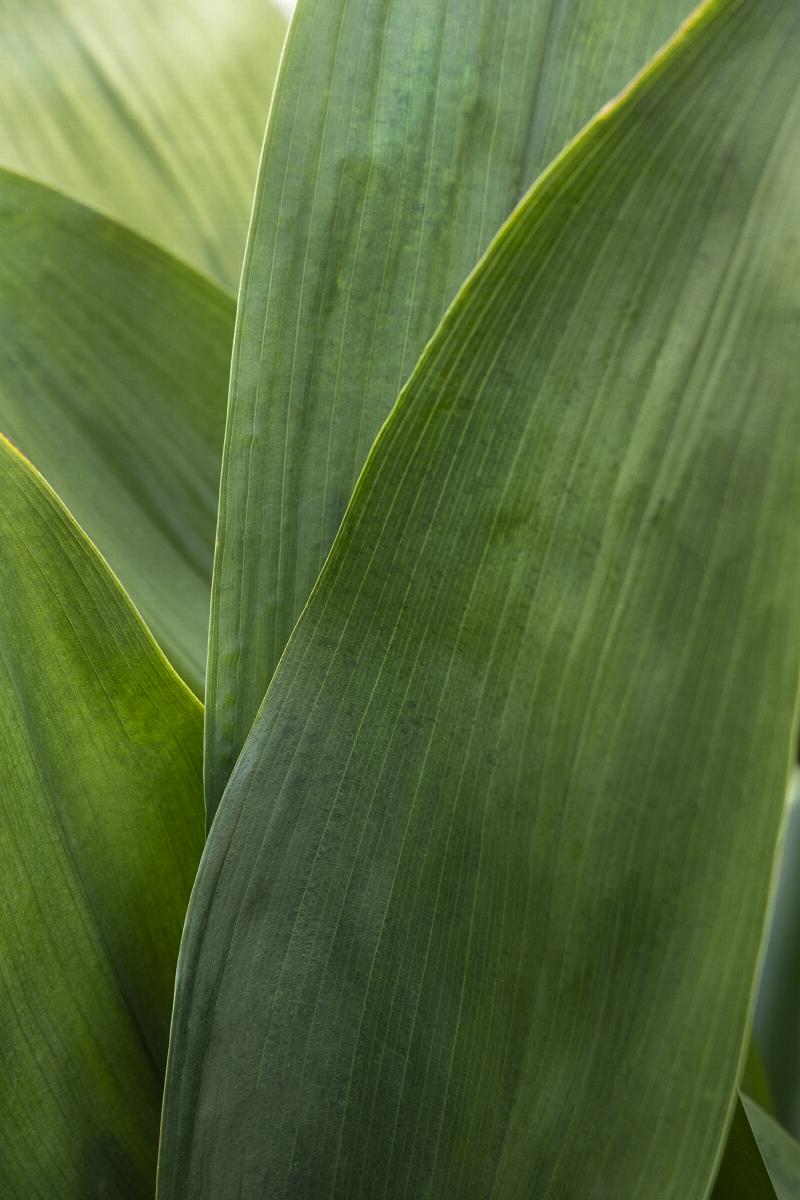
Cast Iron Plant
Aspidistra elatior
Pronunciation: as-pi-DIS-trah ee-LAY-tee-or
SKU #00345
| Description | This plant is as tough as its name! Excellent for those difficult-to-fill areas in deep shade, spreading gently by underground stems. A nearly fuss-free, lush, leafy evergreen that will tolerate a range of growing conditions including heat, aridity and dry shade. An easy care houseplant for low-light situations. |
|---|---|
| Light | Full shade |
| Watering | Allow soil to dry between waterings. |
| Blooms | Inconspicuous; prized for foliage. |
| Mature Size | Slowly reaches 2 ft. tall, 2 to 3 ft. wide. |
| Deciduous/Evergreen | Evergreen |
|---|---|
| Special Features | Easy Care, Waterwise, Non-toxic to Cats and Dogs |
| Problems/Solutions | Coastal Exposure, Rabbit Resistant, Dry Shade |
| Growth Rate | Slow |
| Growth Habit | Clumping |
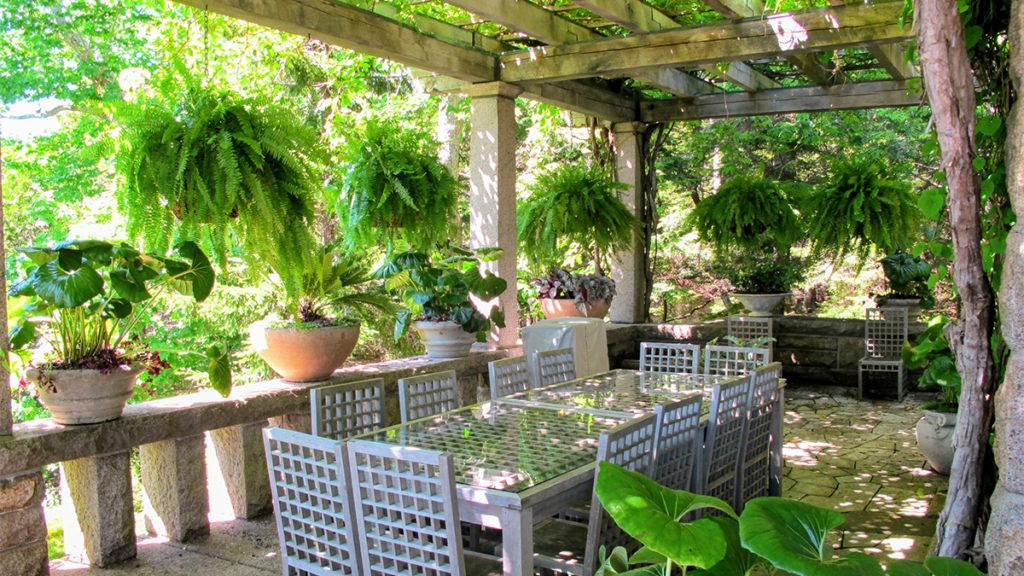
| Landscape Use | Border, Container, Houseplant |
|---|---|
| Design Ideas | For a gardener with a brown thumb, this sturdy, long lasting plant can be used in areas where all else fails; it is always green, and can handle deep shade under deck stairs or along foundations that receive almost no sunlight. |
| Foliage Color | Dark Green |
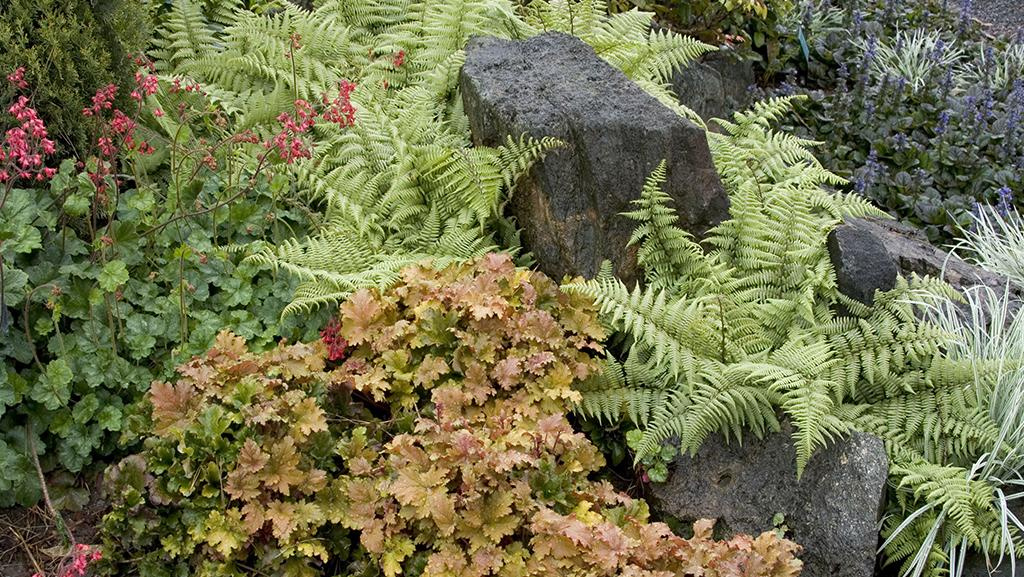
| Companion Plants | Fuchsia (Fuchsia); Columbine (Aquilegia); Foam Flower (Tiarella); Flax Lily (Dianella); Sarcococca (Sarcococca) |
| Care | Thrives in organically rich, well-drained soil, sited in bright shade; tolerates deep shade well. In containers, use a high quality, organic potting mix. Water deeply, regularly in first growing season to establish root system; once established, reduce frequency. Feed with a general-purpose fertilizer in spring. |
|---|
This Plant's Growing Zones: ALL
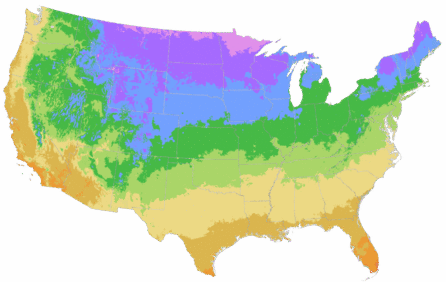
Your USDA Cold Hardiness Zone:
Grow Indoors in All Zones
Buy Online
We cannot currently ship this product to your zip code.
From $21.99
Buy Locally
No Retailers found within 50 miles of your zipcode
About Us
We have been pioneers and craftsmen in the art of growing plants for nearly
100 years. Since our founding in Southern California by Harry E. Rosedale, Sr.
in 1926, we have been absolutely dedicated and obsessed with quality.
We have been pioneers and craftsmen in the art of growing plants for nearly 100 years. Since our founding in Southern California by Harry E. Rosedale, Sr. in 1926, we have been absolutely dedicated and obsessed with quality.