
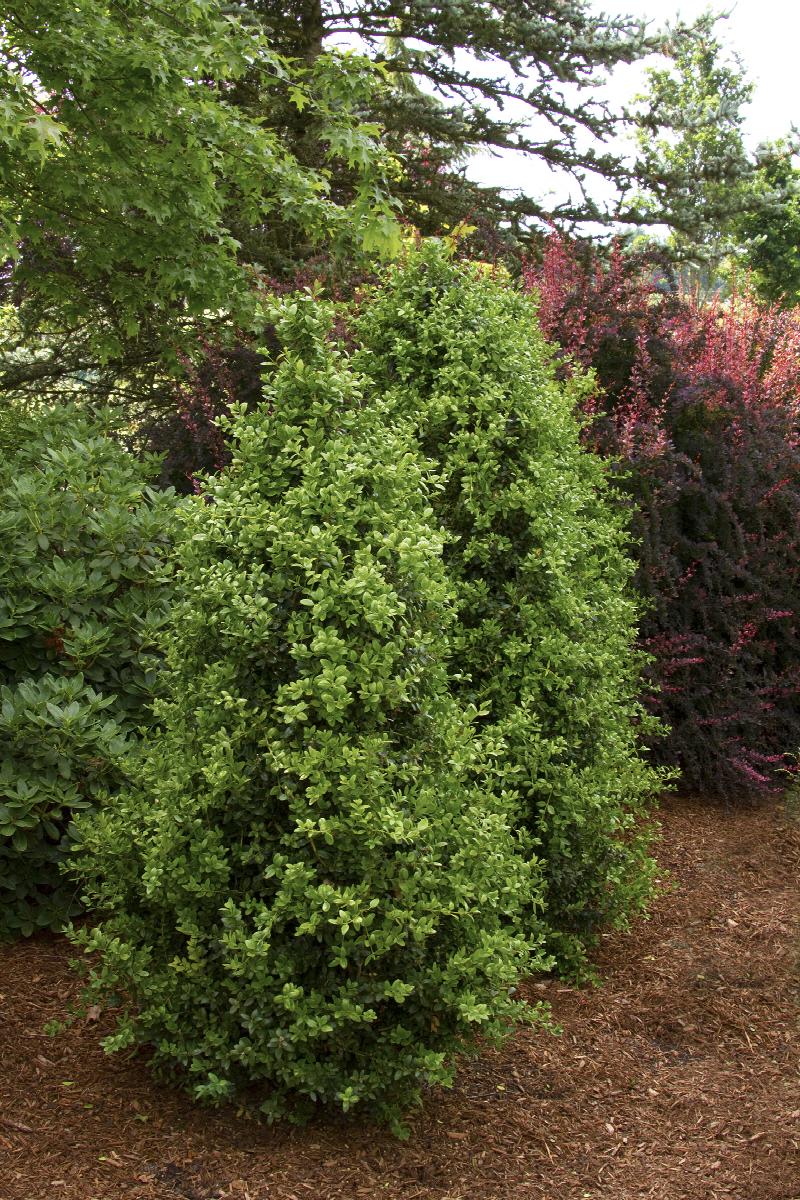
Green Tower® Boxwood
Buxus sempervirens 'Monrue' PP #15,243
Pronunciation: BUK-sus sem-per-VY-renz
SKU #01390
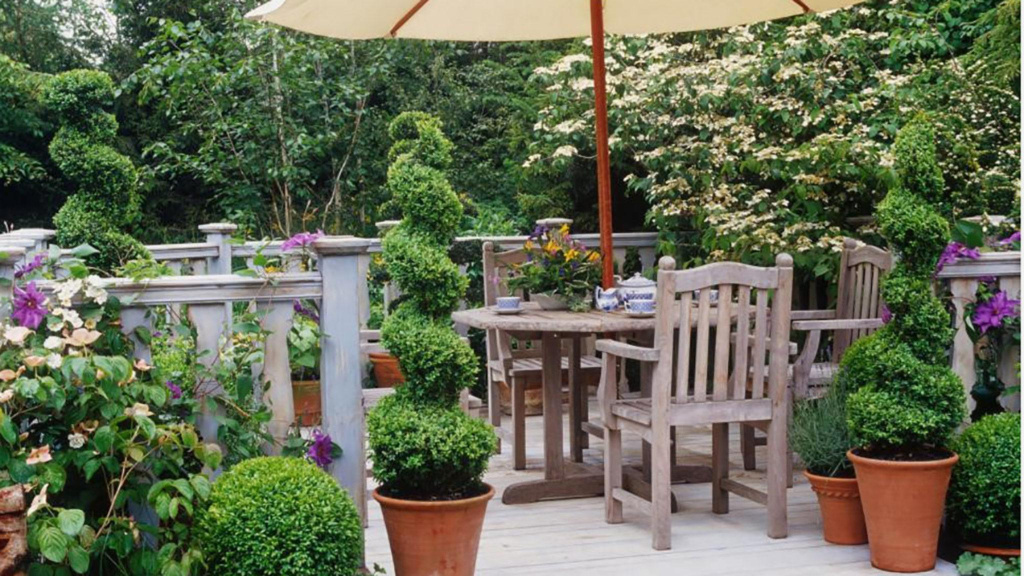
| Description | The perfect evergreen hedge for tight spaces or to create a privacy screen. Lustrous dark green leaves have a lighter green underside. Very columnar growth makes it an ideal specimen for formal topiary shapes. Medium to finely textured foliage does not brown out in winter, and its density makes it a favorite shelter plant for birds. |
|---|---|
| Light | Full sun, Partial sun |
| Watering | Water when top 3 inches of soil is dry. |
| Blooms | Inconspicuous; prized for foliage. |
| Mature Size | Moderate growing; reaches 9 ft. tall, 1 to 2 ft. wide. |
| Deciduous/Evergreen | Evergreen |
|---|---|
| Special Features | Easy Care, Benefits Birds |
| Problems/Solutions | Deer Resistant, Rabbit Resistant |
| Growth Rate | Moderate |
| Growth Habit | Columnar |
| Patent Act | Asexual reproduction of plants protected by the Plant Patent Act is prohibited during the life of the patent. |
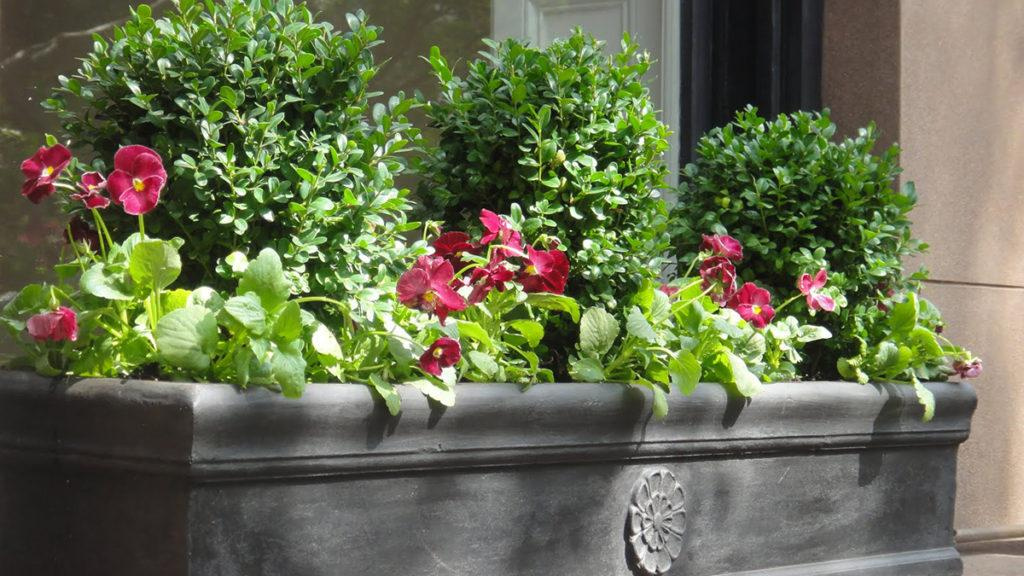
| Landscape Use | Border, Container, Hedge, Privacy Screen, Suitable for Topiary |
|---|---|
| Design Ideas | Plant tightly spaced for a carefree evergreen hedge barrier. Density is ideal for boundary hedges to define space. Narrow diameter is particularly valuable in side-yards for privacy screens along fence line or at windows. Use as single columnar specimen or in pairs to flank gate or entry. Adapts well to shearing but remains naturally narrow if allowed to grow unhindered. Foolproof background for semi-formal borders. A superior evergreen foundation plant to soften large bare walls and cloak utilities. |
| Flower Color | Yellow |
| Foliage Color | Dark Green |
| Companion Plants | Spirea (Spiraea); Weigela (Weigela); Lilac (Syringa); Blue Fescue (Festuca); Coneflower (Echinacea); Blanket Flower (Gaillardia) |
| Care | Thrives in enriched, well-drained, neutral to slightly acidic soils. Mulch root zone to conserve moisture and to keep roots cool. Water deeply and regularly during the first few growing seasons to establish an extensive root system; reduce frequency once established. Apply fertilizer in early spring. Prune as needed to shape. |
|---|
| Lore | The wood of box is the hardest of all European woods, and its yellow coloring made it prized by the wood engraver for carving wood blocks from which the famous old botanical wood cut illustrations were made. It's also used to make mathematical instruments. |
|---|
This Plant's Growing Zones: 5-9
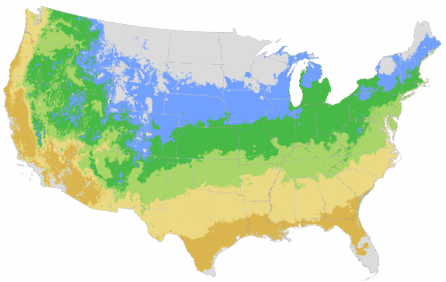
Your USDA Cold Hardiness Zone: 6
Good to grow!
Buy Online
We cannot currently ship this product to your zip code.
Buy Locally
This plant may be available in these stores:
Due to the seasonal nature of plants, availability at your local garden center is not guaranteed. Give them a call before visiting. Please note, not all garden centers participate as delivery locations for online orders.
-
Russell's Greenhouse & Garden Ctr. 397 Boston Post Road
Wayland, Massachusetts 01778 -
Lowe's 350 Cochituate Road
Framingham, Massachusetts 01701 -
Weston Nurseries, Inc. P.o. Box 186
Hopkinton, Massachusetts 01752
About Us
We have been pioneers and craftsmen in the art of growing plants for nearly
100 years. Since our founding in Southern California by Harry E. Rosedale, Sr.
in 1926, we have been absolutely dedicated and obsessed with quality.
We have been pioneers and craftsmen in the art of growing plants for nearly 100 years. Since our founding in Southern California by Harry E. Rosedale, Sr. in 1926, we have been absolutely dedicated and obsessed with quality.