
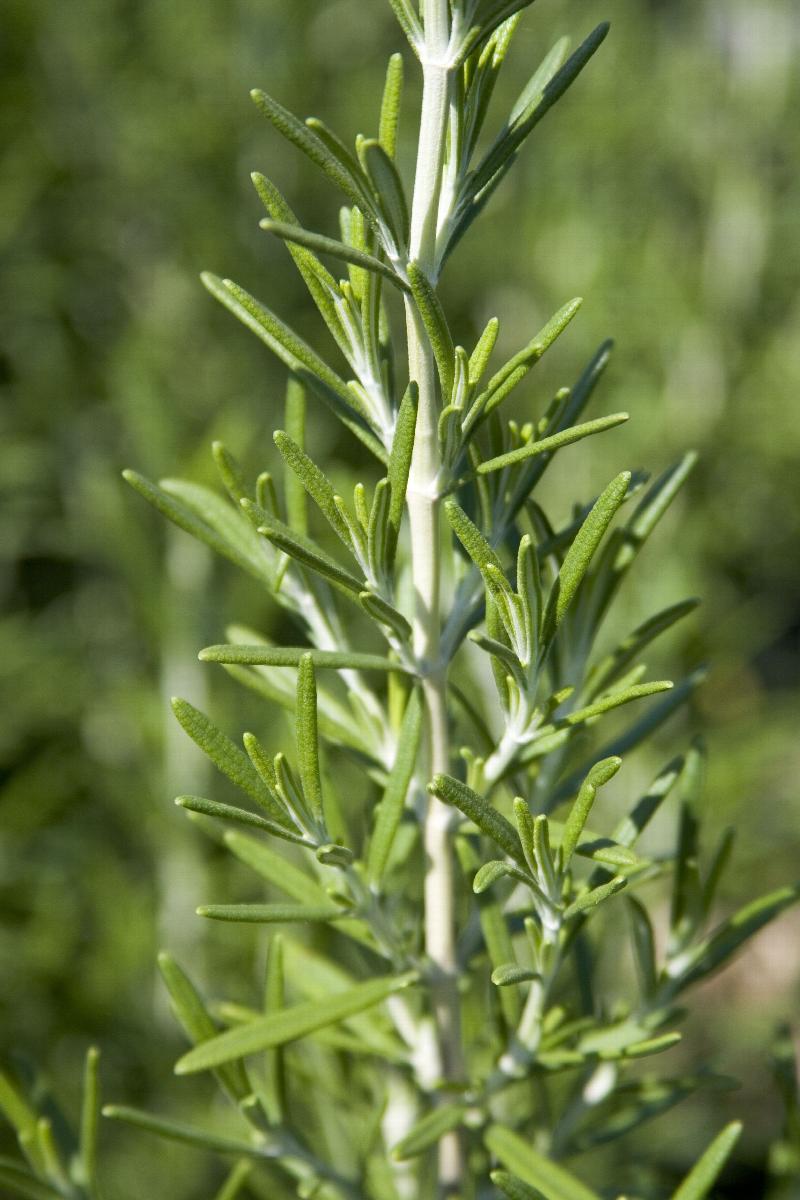
Barbeque Rosemary
Rosmarinus officinalis 'Barbeque'
Pronunciation: rohs-ma-RY-nus oh-fiss-ih-NAH-liss
SKU #02130
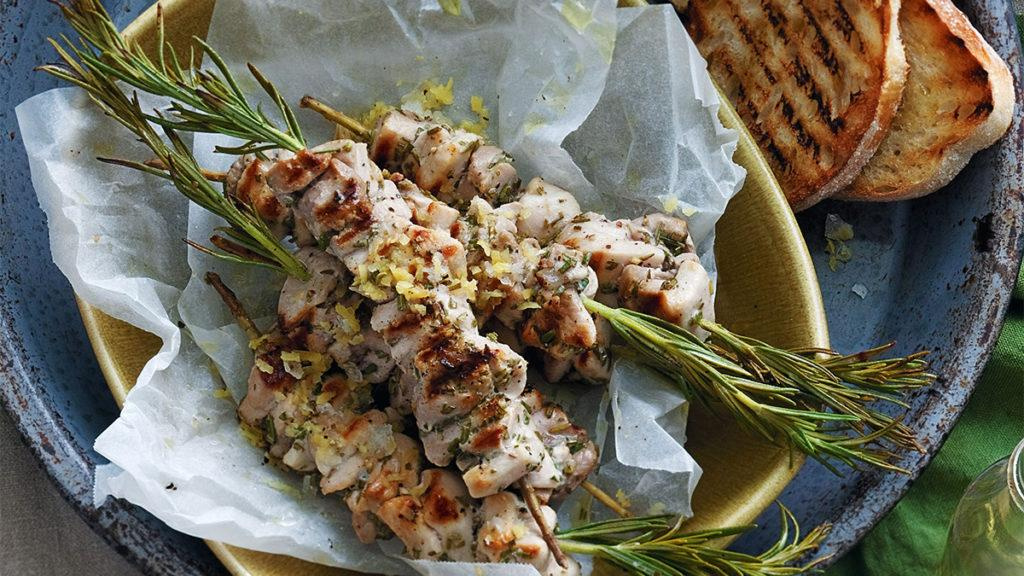
| Description | A rosemary selection with foliage that has especially remarkable flavor and aroma for cooking. Strong, straight stems make perfect barbecue skewers! A fast growing, upright shrub with profuse, clear blue flowers. Takes to pruning well, perfect for hedging or screens. Evergreen. |
|---|---|
| Light | Full sun |
| Watering | Once established water during dry spells. |
| Blooms | Summer |
| Mature Size | Moderate growing; reaches 4 to 6 ft. tall, 2 to 3 ft. wide. |
| Deciduous/Evergreen | Evergreen |
|---|---|
| Special Features | Easy Care, Waterwise, Non-toxic to Cats and Dogs, Edible |
| Problems/Solutions | Coastal Exposure, Deer Resistant, Rabbit Resistant |
| Growth Rate | Moderate |
| Flower Attributes | Showy Flowers |
| Landscape Use | Border, Container, Hedge |
|---|---|
| Design Ideas | Rosemary is a fabulous aromatic herb for arid gardens. It is a beautiful foundation shrub that provides year around coverage of utilities and footings. The plant is a staple for banks, and both cut and fill slopes where it thrives in full sun with express drainage. Add it to the Mediterranean parterre garden as a hedge or single specimen. Treasured for parterres in the French or Italian style. Naturalizes in hot dry climates to add interest to native plantings or international xeriscape composition. Belongs in every kitchen garden, veggie plot and herb garden. Rosemary makes an excellent potted plant, particularly in terra cotta for porch or patio. |
| Flower Color | Purple |
| Foliage Color | Green |
| Companion Plants | Cypress (Cupresuss); Crape Myrtle (Lagerstroemia); Heath (Erica); Bay Laurel (Laurus); Pomegranate (Punica) |
| Care | Thrives in loose, well-drained, neutral to slightly acidic soils. Water deeply, regularly during first growing season to establish an extensive root system; reduce frequency once established. Avoid excess winter moisture. Needs little care; may be fertilized lightly in spring. Prune only as needed to shape. |
|---|
This Plant's Growing Zones: 8-10
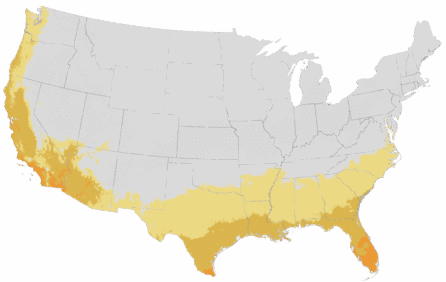
Your USDA Cold Hardiness Zone:
Your climate may be too cold for this plant
Buy Online
We cannot currently ship this product to your zip code.
Buy Locally
No Retailers found within 50 miles of your zipcode
About Us
We have been pioneers and craftsmen in the art of growing plants for nearly
100 years. Since our founding in Southern California by Harry E. Rosedale, Sr.
in 1926, we have been absolutely dedicated and obsessed with quality.
We have been pioneers and craftsmen in the art of growing plants for nearly 100 years. Since our founding in Southern California by Harry E. Rosedale, Sr. in 1926, we have been absolutely dedicated and obsessed with quality.