
You're growing in this Zip Code:
Discover Plants for Your Area
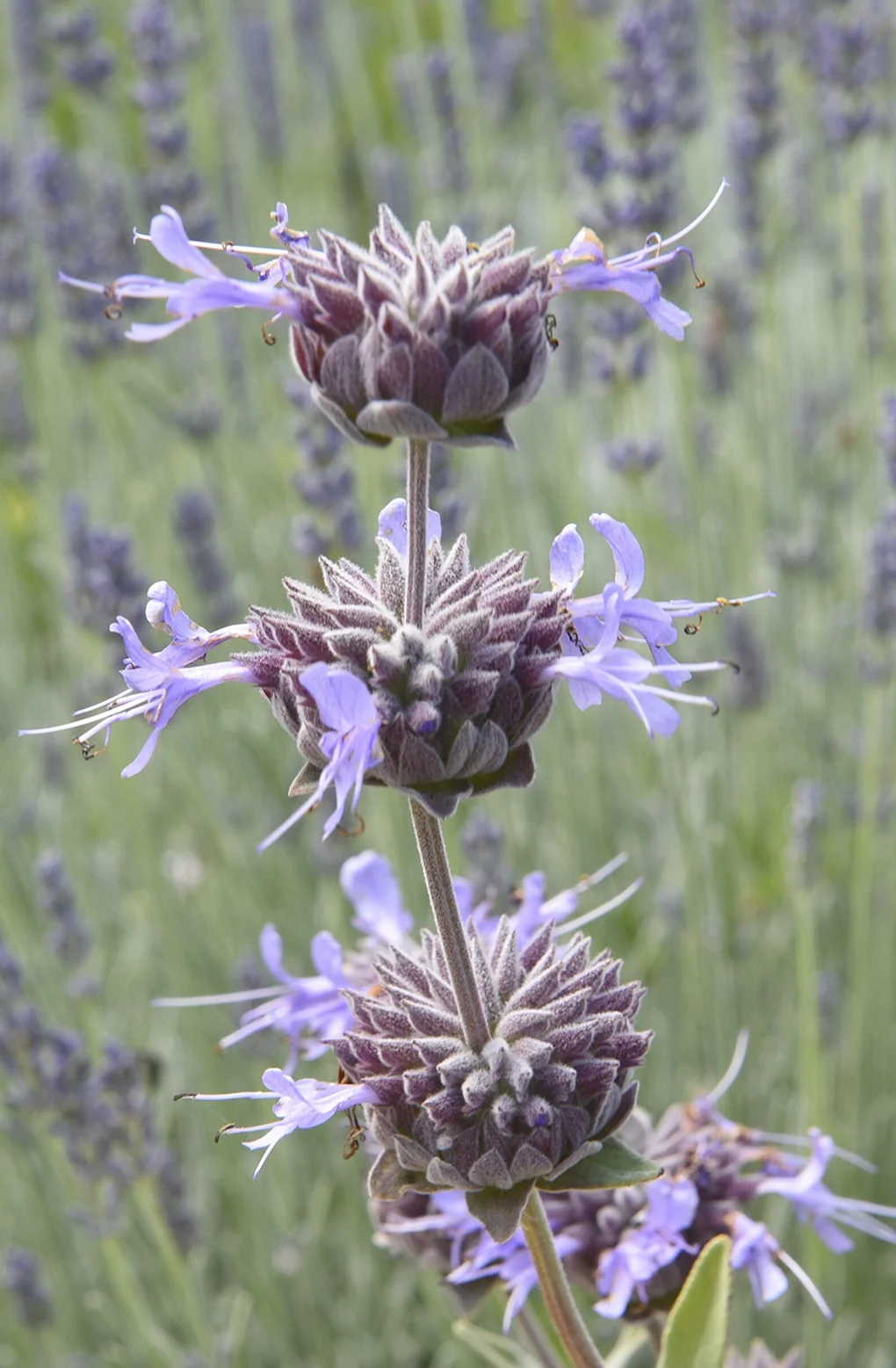
Allen Chickering Sage
Salvia 'Allen Chickering'
SKU #49063
LIGHT:
Full sun
WATER:
Does not need water once established
SIZE:
Reaches 4 to 5 ft. tall and wide.

Retailers Near You
Ready to Grow?
Ship Monrovia plants directly to your door. Browse a curated selection available online.
Shop Now >This Plant's Growing Zones: 8-11
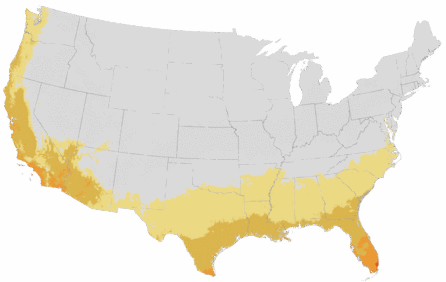
Your USDA Cold Hardiness Zone:

| Description | A naturally occurring hybrid of two California native sages, this tough chaparral shrub can perfume the garden with its aromatic foliage. Whorls of deep lavender flowers form in tiers on tall spikes and attract pollinators of all types, including hummingbirds, butterflies, and bees. Perfect for native, xeric landscapes. Evergreen. |
|---|---|
| Bloom Time | Late spring and summer |
| Deciduous/Evergreen | Evergreen |
| Special Features | Attracts Butterflies, Attracts Hummingbirds, Waterwise, North American Native, Attracts Pollinators, Heat Loving |
| Problems/Solutions | Deer Resistant, Drought Tolerant |
| Growth Rate | Moderate |
| Flower Attributes | Fragrant |
| Landscape Use | Border |
| Flower Color | Purple |
| Foliage Color | Gray-green |
| Care Instructions | Provide full sun and well-draining soil. Needs only occasional summer watering, less once established. To keep a dense form, cut back in winter by one-third or more when young. Once mature with woody stems, only tip prune. |
| History | Salvia 'Allen Chickering' was the first cultivar selected at The California Botanic Garden (formally called Rancho Santa Ana Botanic Garden). The first plant so named was discovered in 1937 by the chair of the garden's trustees, Allen Chickering, who reportedly found a hybrid between the Blue Sage, Salvia clevelandii and the Purple Sage, Salvia leucophylla, while on a morning walk in the botanic garden. Though this first plant was never propagated or introduced, a later nearly identical plant was selected in 1949 and released in 1955 as Salvia 'Allen Chickering'. (source: smgrowers.com) |
Details
| Description | A naturally occurring hybrid of two California native sages, this tough chaparral shrub can perfume the garden with its aromatic foliage. Whorls of deep lavender flowers form in tiers on tall spikes and attract pollinators of all types, including hummingbirds, butterflies, and bees. Perfect for native, xeric landscapes. Evergreen. |
|---|---|
| Bloom Time | Late spring and summer |
| Deciduous/Evergreen | Evergreen |
| Special Features | Attracts Butterflies, Attracts Hummingbirds, Waterwise, North American Native, Attracts Pollinators, Heat Loving |
| Problems/Solutions | Deer Resistant, Drought Tolerant |
| Growth Rate | Moderate |
| Flower Attributes | Fragrant |
Style
| Landscape Use | Border |
|---|---|
| Flower Color | Purple |
| Foliage Color | Gray-green |
Care
| Care Instructions | Provide full sun and well-draining soil. Needs only occasional summer watering, less once established. To keep a dense form, cut back in winter by one-third or more when young. Once mature with woody stems, only tip prune. |
|---|
History
| History | Salvia 'Allen Chickering' was the first cultivar selected at The California Botanic Garden (formally called Rancho Santa Ana Botanic Garden). The first plant so named was discovered in 1937 by the chair of the garden's trustees, Allen Chickering, who reportedly found a hybrid between the Blue Sage, Salvia clevelandii and the Purple Sage, Salvia leucophylla, while on a morning walk in the botanic garden. Though this first plant was never propagated or introduced, a later nearly identical plant was selected in 1949 and released in 1955 as Salvia 'Allen Chickering'. (source: smgrowers.com) |
|---|
Retailers Near You
About Us
We have been pioneers and craftsmen in the art of growing plants for 100 years. Since our founding in Southern California by Harry E. Rosedale, Sr. in 1926, we have been absolutely dedicated and obsessed with quality.
We have been pioneers and craftsmen in the art of growing plants for nearly 100 years. Since our founding in Southern California by Harry E. Rosedale, Sr. in 1926, we have been absolutely dedicated and obsessed with quality.