
You're growing in this Zip Code:
Discover Plants for Your Area
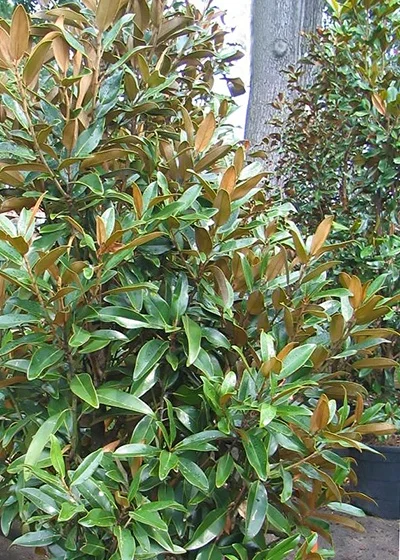
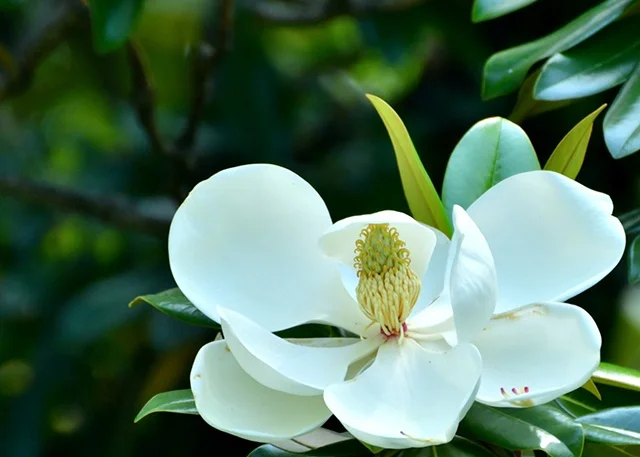
Alta™ Southern Magnolia
Magnolia grandiflora 'TMGH'
Pronunciation: mag-NOH-lee-uh gran-dih-FLOR-uh
SKU #00998
LIGHT:
Full sun
WATER:
Once established, water deeply when dry.
SIZE:
Very slow growing to 20 ft. tall, 9 ft. wide in 10 years.

Retailers Near You
Ready to Grow?
Ship Monrovia plants directly to your door. Browse a curated selection available online.
Shop Now >This Plant's Growing Zones: 6-10
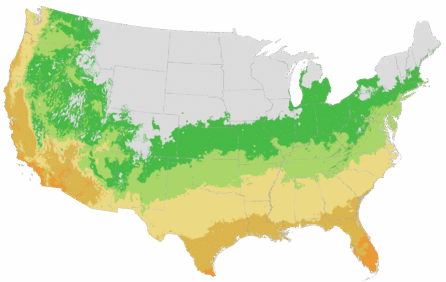
Your USDA Cold Hardiness Zone:
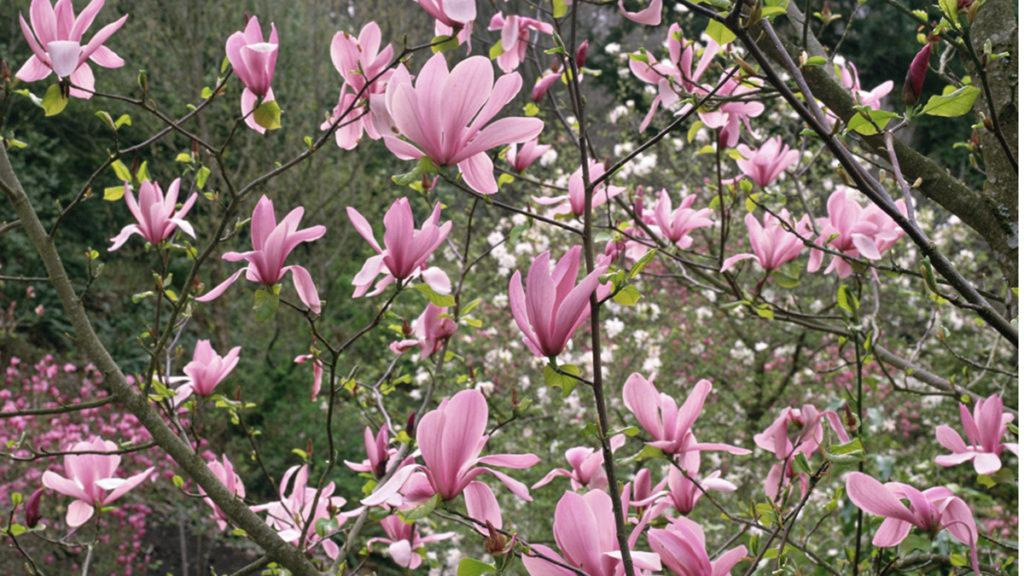
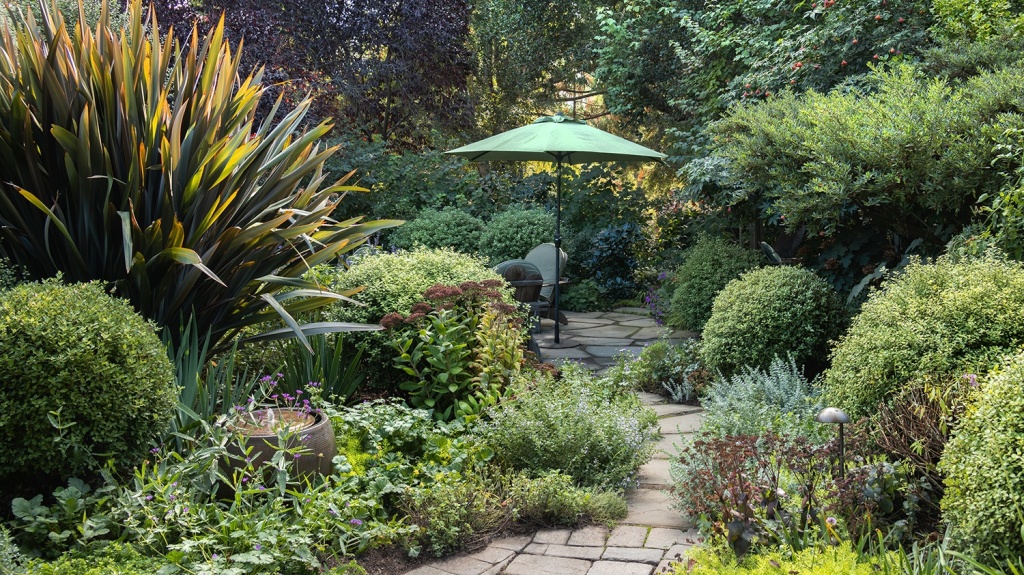
| Description | A columnar form that remains upright and tight year after year without pruning. Lustrous dark green leaves have rusty undersides. White, cup-shaped fragrant flowers. Valuable for smaller spaces in urban and suburban landscapes. Evergreen. |
|---|---|
| Bloom Time | Summer |
| Deciduous/Evergreen | Evergreen |
| Special Features | Easy Care, Waterwise, Compact Form |
| Problems/Solutions | Coastal Exposure, Deer Resistant, Rabbit Resistant, Very Wet Areas, Road Salt Tolerant |
| Growth Rate | Slow |
| Growth Habit | Columnar |
| Flower Attributes | Flowers for Cutting, Fragrant, Showy Flowers |
| Patent Act | Asexual reproduction of plants protected by the Plant Patent Act is prohibited during the life of the patent. |
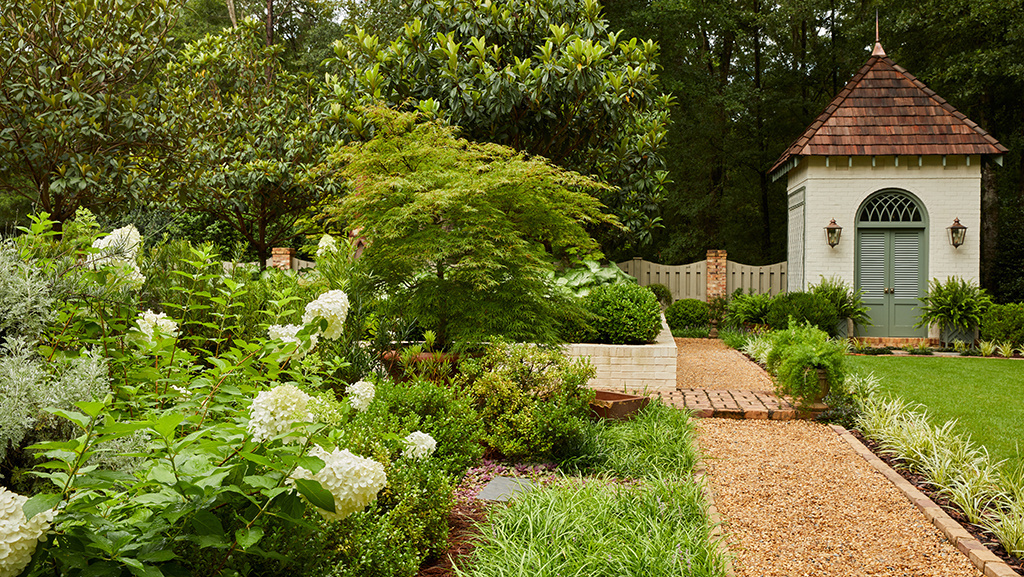
| Design Ideas | Such a tall narrow evergreen is perfect for gaps between multistory homes and buildings. Stands beautifully against tall walls with no windows to fill in space and reduce glare on institutional structures.. Makes a potential windrow along property lines or try as a pair to flank a vehicular entry. Makes interesting contrast in both form and texture against needled evergreens and trees with seasonal spring and fall color. |
| Flower Color | White |
| Foliage Color | Green |
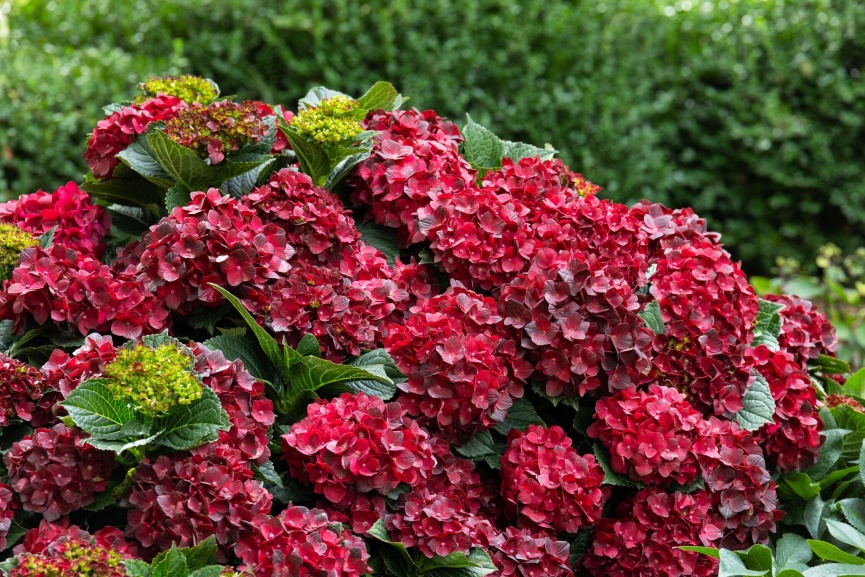
| Companion Plants | This beautiful plant works well with Marge Miller Camellia, (Camellia sasanqua 'Marge Miller'), Golden Flare Azalea, (Azalea x 'Golden Flare'), Lady in Red Hydrangea, (Hydrangea macrophylla 'Lady in Red') and Hellikki Rhododendron, (Rhododendron x 'Hellikki'). It's also traditional with Prairie Blue Eyes Top of the Line Daylily, (Hemerocallis x 'Prairie Blue Eyes') and Ruffled Velvet Siberian Iris, (Iris siberica 'Ruffled Velvet'). |
| Care Instructions | Follow a regular watering schedule during the first growing season to establish a deep, extensive root system. Watering can be reduced after establishment. Feed with a general purpose fertilizer before new growth begins in spring. |
| History | Alta was discovered as a chance seedling of Hasse, the most well known columnar southern magnolia variety. This magnolia species is native to North America where it is commonly called bull bay. It's range extends across the south from North Carolina to Texas and south to Florida. It was introduced to Europe in 1734 and later classified by Linnaeus into the genus he named after Pierre Magnol, 1638-1715, a botanist of Montpelier, France. By 1863 a number of garden varieties including lanceolata and the Edgmouth magnolia had been developed but proved too frost tender for their colder winters. |
| Lore | Southern magnolia is the state flower of Louisiana and Mississippi. It grows in mixed stands of forest in areas of well drained but evenly moist soils and accessible water table. It is also considered the largest native flower in North America. |
Details
| Description | A columnar form that remains upright and tight year after year without pruning. Lustrous dark green leaves have rusty undersides. White, cup-shaped fragrant flowers. Valuable for smaller spaces in urban and suburban landscapes. Evergreen. |
|---|---|
| Bloom Time | Summer |
| Deciduous/Evergreen | Evergreen |
| Special Features | Easy Care, Waterwise, Compact Form |
| Problems/Solutions | Coastal Exposure, Deer Resistant, Rabbit Resistant, Very Wet Areas, Road Salt Tolerant |
| Growth Rate | Slow |
| Growth Habit | Columnar |
| Flower Attributes | Flowers for Cutting, Fragrant, Showy Flowers |
| Patent Act | Asexual reproduction of plants protected by the Plant Patent Act is prohibited during the life of the patent. |
Style
| Design Ideas | Such a tall narrow evergreen is perfect for gaps between multistory homes and buildings. Stands beautifully against tall walls with no windows to fill in space and reduce glare on institutional structures.. Makes a potential windrow along property lines or try as a pair to flank a vehicular entry. Makes interesting contrast in both form and texture against needled evergreens and trees with seasonal spring and fall color. |
|---|---|
| Flower Color | White |
| Foliage Color | Green |
| Companion Plants | This beautiful plant works well with Marge Miller Camellia, (Camellia sasanqua 'Marge Miller'), Golden Flare Azalea, (Azalea x 'Golden Flare'), Lady in Red Hydrangea, (Hydrangea macrophylla 'Lady in Red') and Hellikki Rhododendron, (Rhododendron x 'Hellikki'). It's also traditional with Prairie Blue Eyes Top of the Line Daylily, (Hemerocallis x 'Prairie Blue Eyes') and Ruffled Velvet Siberian Iris, (Iris siberica 'Ruffled Velvet'). |
Care
| Care Instructions | Follow a regular watering schedule during the first growing season to establish a deep, extensive root system. Watering can be reduced after establishment. Feed with a general purpose fertilizer before new growth begins in spring. |
|---|
History
| History | Alta was discovered as a chance seedling of Hasse, the most well known columnar southern magnolia variety. This magnolia species is native to North America where it is commonly called bull bay. It's range extends across the south from North Carolina to Texas and south to Florida. It was introduced to Europe in 1734 and later classified by Linnaeus into the genus he named after Pierre Magnol, 1638-1715, a botanist of Montpelier, France. By 1863 a number of garden varieties including lanceolata and the Edgmouth magnolia had been developed but proved too frost tender for their colder winters. |
|---|---|
| Lore | Southern magnolia is the state flower of Louisiana and Mississippi. It grows in mixed stands of forest in areas of well drained but evenly moist soils and accessible water table. It is also considered the largest native flower in North America. |
Retailers Near You
About Us
We have been pioneers and craftsmen in the art of growing plants for 100 years. Since our founding in Southern California by Harry E. Rosedale, Sr. in 1926, we have been absolutely dedicated and obsessed with quality.
We have been pioneers and craftsmen in the art of growing plants for nearly 100 years. Since our founding in Southern California by Harry E. Rosedale, Sr. in 1926, we have been absolutely dedicated and obsessed with quality.