
You're growing in this Zip Code:
Discover Plants for Your Area

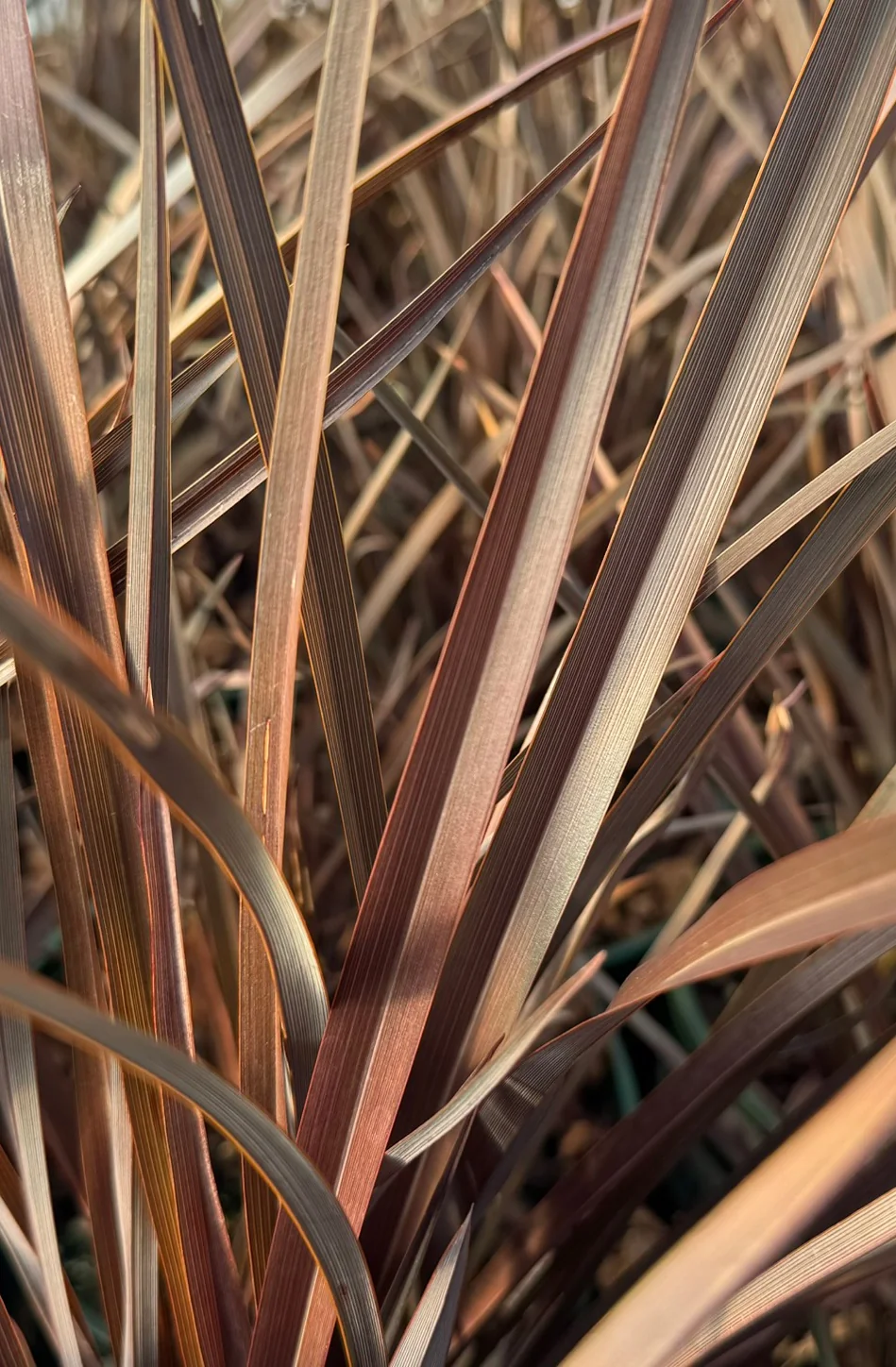
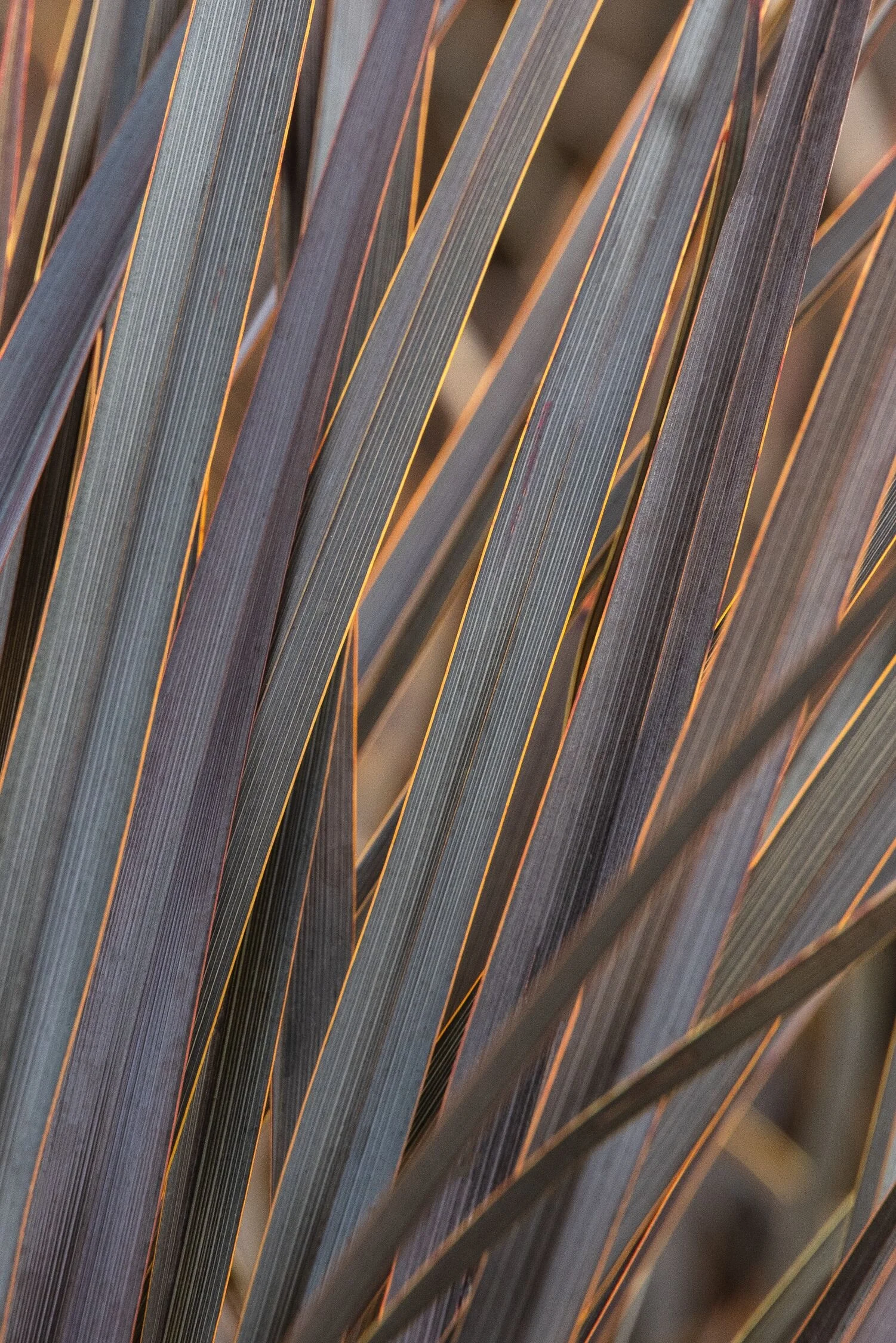
Amazing Red New Zealand Flax
Phormium 'Amazing Red'
Pronunciation: FOR-mee-um
SKU #06758
LIGHT:
Full sun
WATER:
Once established, water occasionally.
SIZE:
Moderate growing; reaches 3 to 4 ft. tall and wide.

Home Delivery Price
?
- Arrives in 3 to 7 days
- Free shipping on orders over $149
- Perfect Start Promise
Select Quantity
Retailers Near You
This Plant's Growing Zones: 8-11
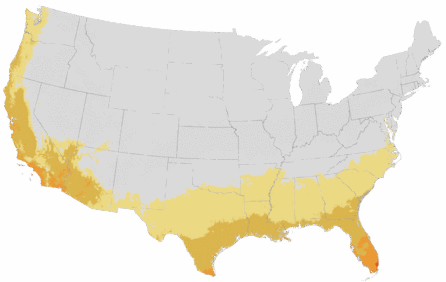
Your USDA Cold Hardiness Zone:
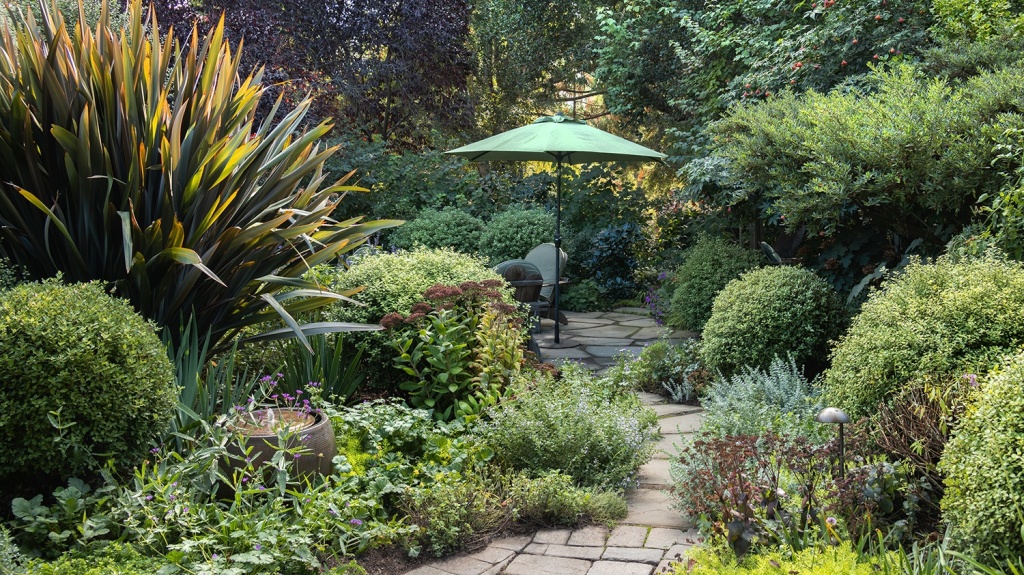
| Description | A stunning, upright clump of slender, dark reddish-colored foliage that will add dramatic color and texture to any landscape. Superb for use as an exotic accent, specimen, container plant or backdrop. Leaves are a wonderful accent for cut flower arrangements. Evergreen. |
|---|---|
| Bloom Time | Insignificant; prized for foliage. |
| Deciduous/Evergreen | Evergreen |
| Special Features | Dramatic Foliage Color, Easy Care, Waterwise |
| Problems/Solutions | Coastal Exposure, Deer Resistant |
| Growth Rate | Moderate |
| Landscape Use | Border, Container, Poolside |
| Design Ideas | This smaller red flax is well suited to mid-century modern and post modern compositions for dramatic high contrast color and texture. A natural in tropical landscaping with large leaf exotics and hot colored flowers. Use to soften building edges and as foundation planting. Fills up long spans of fence or wall. It's a powerful way to highlight important places in the garden. In a more naturalistic setting in sizeable landscape, plant in groups for massive effect. Works particularly well around ponds, pools and rock waterfalls. Makes a striking potted specimen. |
| Foliage Color | Red |
| Companion Plants | Cranesbill (Geranium); Hebe (Hebe); Black-Eyed Susan (Rudbeckia); Jasmine (Trachelospermum); Lomandra (Lomandra) |
| Care Instructions | Easily grown in average to fertile, well-drained soil. Water deeply and regularly during the first growing season. Once established, reduce frequency; tolerates moderate drought, particularly in cooler coastal regions. Remove old or damaged foliage as needed for a neat, tidy appearance. Divide clumps every 2 to 3 years in early spring. |
| History | This hybrid originated by natural cross pollination using the uniquely adapted Tui Bird in New Zealand. The cross of P. tenax and P cookianum produced seed under Mr. J. Burton of Hamilton known as Rainbow Hybrids. This plant was selected by Margaret Jones of New Zealand Flax Hybriders, a noted developer of new hybrids from Tauranga, New Zealand. |
| Lore | This exotic strap-leaf plant is native to the rainforest environment of New Zealand, populated by the Maori people who used Phormium tenax, leaves for their long fibers. The genus is classified in the Agave family from which many other fibrous plants are derived. |
Details
| Description | A stunning, upright clump of slender, dark reddish-colored foliage that will add dramatic color and texture to any landscape. Superb for use as an exotic accent, specimen, container plant or backdrop. Leaves are a wonderful accent for cut flower arrangements. Evergreen. |
|---|---|
| Bloom Time | Insignificant; prized for foliage. |
| Deciduous/Evergreen | Evergreen |
| Special Features | Dramatic Foliage Color, Easy Care, Waterwise |
| Problems/Solutions | Coastal Exposure, Deer Resistant |
| Growth Rate | Moderate |
Style
| Landscape Use | Border, Container, Poolside |
|---|---|
| Design Ideas | This smaller red flax is well suited to mid-century modern and post modern compositions for dramatic high contrast color and texture. A natural in tropical landscaping with large leaf exotics and hot colored flowers. Use to soften building edges and as foundation planting. Fills up long spans of fence or wall. It's a powerful way to highlight important places in the garden. In a more naturalistic setting in sizeable landscape, plant in groups for massive effect. Works particularly well around ponds, pools and rock waterfalls. Makes a striking potted specimen. |
| Foliage Color | Red |
| Companion Plants | Cranesbill (Geranium); Hebe (Hebe); Black-Eyed Susan (Rudbeckia); Jasmine (Trachelospermum); Lomandra (Lomandra) |
Care
| Care Instructions | Easily grown in average to fertile, well-drained soil. Water deeply and regularly during the first growing season. Once established, reduce frequency; tolerates moderate drought, particularly in cooler coastal regions. Remove old or damaged foliage as needed for a neat, tidy appearance. Divide clumps every 2 to 3 years in early spring. |
|---|
History
| History | This hybrid originated by natural cross pollination using the uniquely adapted Tui Bird in New Zealand. The cross of P. tenax and P cookianum produced seed under Mr. J. Burton of Hamilton known as Rainbow Hybrids. This plant was selected by Margaret Jones of New Zealand Flax Hybriders, a noted developer of new hybrids from Tauranga, New Zealand. |
|---|---|
| Lore | This exotic strap-leaf plant is native to the rainforest environment of New Zealand, populated by the Maori people who used Phormium tenax, leaves for their long fibers. The genus is classified in the Agave family from which many other fibrous plants are derived. |
Retailers Near You
About Us
We have been pioneers and craftsmen in the art of growing plants for 100 years. Since our founding in Southern California by Harry E. Rosedale, Sr. in 1926, we have been absolutely dedicated and obsessed with quality.
We have been pioneers and craftsmen in the art of growing plants for nearly 100 years. Since our founding in Southern California by Harry E. Rosedale, Sr. in 1926, we have been absolutely dedicated and obsessed with quality.