
You're growing in this Zip Code:
Discover Plants for Your Area

American Red Bush Lantana
Lantana camara 'American Red'
Pronunciation: lan-TAY-na ca-MA-ra
SKU #05661
LIGHT:
Full sun
WATER:
Water deeply when soil is dry.
SIZE:
Moderate growing; reaches 4 to 6 ft. tall and wide.

Retailers Near You
Ready to Grow?
Ship Monrovia plants directly to your door. Browse a curated selection available online.
Shop Now >This Plant's Growing Zones: 9-11
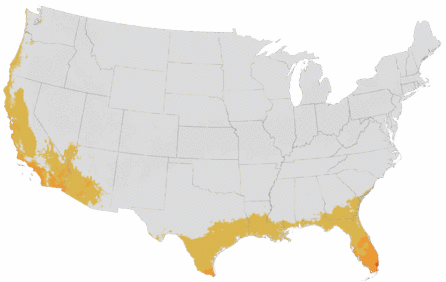
Your USDA Cold Hardiness Zone:
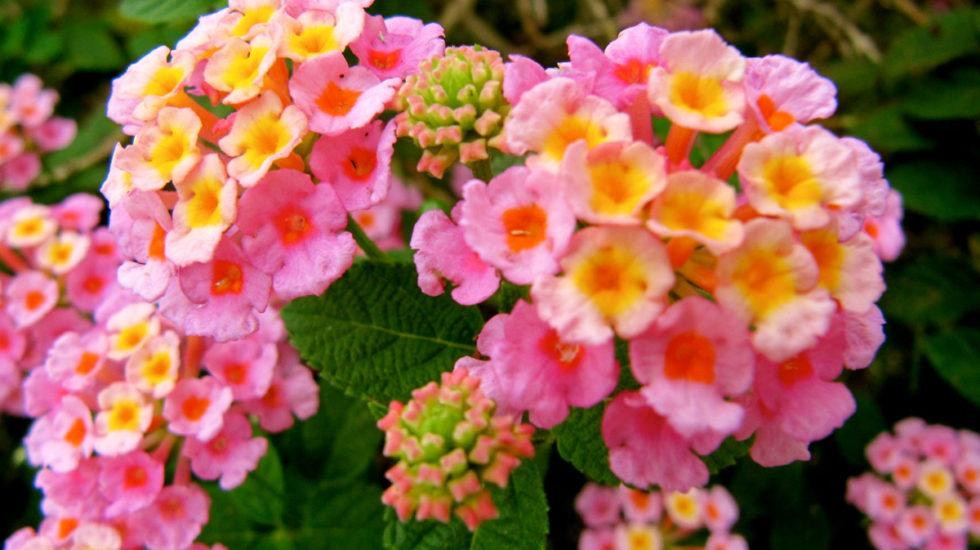
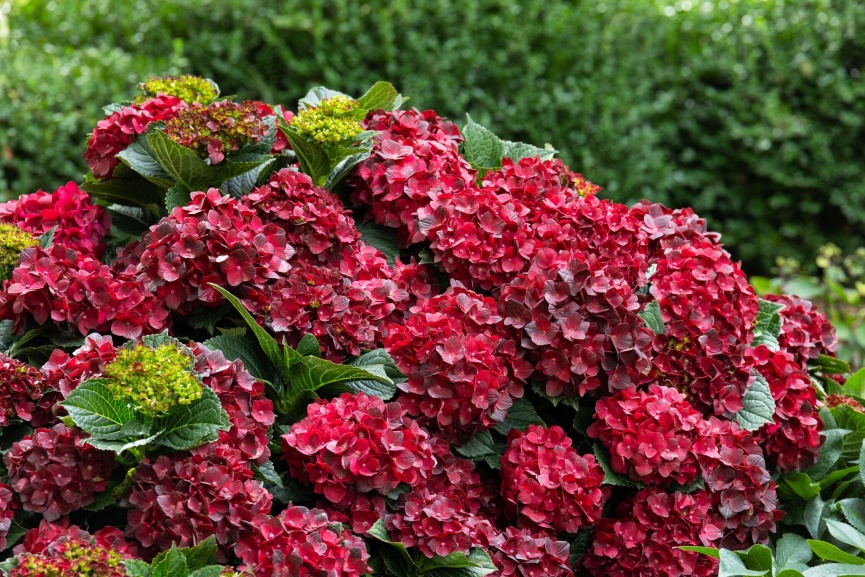
| Description | Profuse red and yellow color year-round! Useful as a substitute for annuals in sunny flower beds or containers. An excellent low hedge or accent shrub. Tolerates heat and drought. Evergreen in frost-free areas; treat as an annual elsewhere. |
|---|---|
| Bloom Time | Spring through summer. |
| Deciduous/Evergreen | Evergreen |
| Special Features | Easy Care, Waterwise, Attracts Pollinators, Heat Loving, Benefits Birds |
| Problems/Solutions | Coastal Exposure, Deer Resistant, Erosion Control |
| Growth Rate | Moderate |
| Growth Habit | Upright |
| Flower Attributes | Long Bloom Season, Showy Flowers |
| Landscape Use | Border, Container, Hillside |
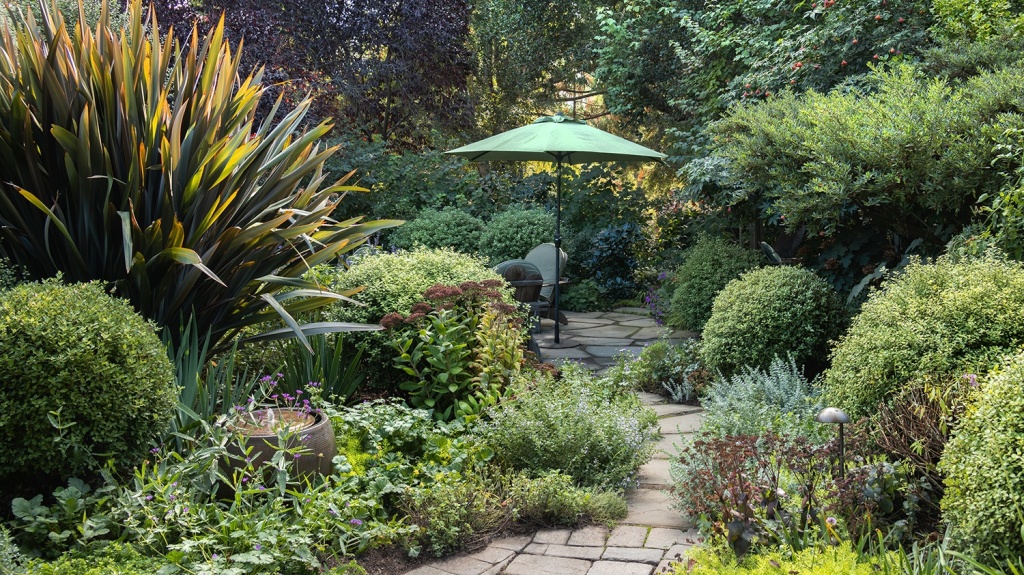
| Design Ideas | Bush Lantana is the best source of quick foliage and flowers in warmer climates. Check your local climate zone to see if it is annual or perennial in your area. Landscapers have long used this fast-grower to fill in a young landscape for the first season or two until woody plants are established. A great color source for hot and dry gardens, along driveways and full sun banks. Plant in flower and shrub beds, raised planters, along fence lines and foundations, and in parkways, where they take the reflected heat from pavement in stride. Put it in pots for powerful color on a deck or patio but make sure you bring it in for the winter. |
| Flower Color | Red |
| Foliage Color | Green |
| Companion Plants | Hibiscus (Hibiscus); Heliotrope (Heliotrope); Cordyline (Cordyline); Salvia (Salvia); Red Yucca (Hesperaloe) |
| Care Instructions | Thrives in average, well-drained soils. Water deeply, regularly in first growing season to establish root system. Once established in the landscape, reduce frequency; continue to water container plants regularly. Fertilize in spring. Remove spent blooms periodically and prune annually to shape. |
| History | This is a large genus with over 150 species native to tropical regions of the Americas and Africa. L. camara is native as far north as Texas and southern Georgia but has naturalized elsewhere in the South. The genus name is the same as the South American name for the plants. Many of the contemporary varieties resulted from hybrids of this and L. montevidensis. |
| Lore | Lantanas are valuable butterfly nectar plants and are equally appealing to hummingbirds. |
Details
| Description | Profuse red and yellow color year-round! Useful as a substitute for annuals in sunny flower beds or containers. An excellent low hedge or accent shrub. Tolerates heat and drought. Evergreen in frost-free areas; treat as an annual elsewhere. |
|---|---|
| Bloom Time | Spring through summer. |
| Deciduous/Evergreen | Evergreen |
| Special Features | Easy Care, Waterwise, Attracts Pollinators, Heat Loving, Benefits Birds |
| Problems/Solutions | Coastal Exposure, Deer Resistant, Erosion Control |
| Growth Rate | Moderate |
| Growth Habit | Upright |
| Flower Attributes | Long Bloom Season, Showy Flowers |
Style
| Landscape Use | Border, Container, Hillside |
|---|---|
| Design Ideas | Bush Lantana is the best source of quick foliage and flowers in warmer climates. Check your local climate zone to see if it is annual or perennial in your area. Landscapers have long used this fast-grower to fill in a young landscape for the first season or two until woody plants are established. A great color source for hot and dry gardens, along driveways and full sun banks. Plant in flower and shrub beds, raised planters, along fence lines and foundations, and in parkways, where they take the reflected heat from pavement in stride. Put it in pots for powerful color on a deck or patio but make sure you bring it in for the winter. |
| Flower Color | Red |
| Foliage Color | Green |
| Companion Plants | Hibiscus (Hibiscus); Heliotrope (Heliotrope); Cordyline (Cordyline); Salvia (Salvia); Red Yucca (Hesperaloe) |
Care
| Care Instructions | Thrives in average, well-drained soils. Water deeply, regularly in first growing season to establish root system. Once established in the landscape, reduce frequency; continue to water container plants regularly. Fertilize in spring. Remove spent blooms periodically and prune annually to shape. |
|---|
History
| History | This is a large genus with over 150 species native to tropical regions of the Americas and Africa. L. camara is native as far north as Texas and southern Georgia but has naturalized elsewhere in the South. The genus name is the same as the South American name for the plants. Many of the contemporary varieties resulted from hybrids of this and L. montevidensis. |
|---|---|
| Lore | Lantanas are valuable butterfly nectar plants and are equally appealing to hummingbirds. |
Retailers Near You
About Us
We have been pioneers and craftsmen in the art of growing plants for 100 years. Since our founding in Southern California by Harry E. Rosedale, Sr. in 1926, we have been absolutely dedicated and obsessed with quality.
We have been pioneers and craftsmen in the art of growing plants for nearly 100 years. Since our founding in Southern California by Harry E. Rosedale, Sr. in 1926, we have been absolutely dedicated and obsessed with quality.