
You're growing in this Zip Code:
Discover Plants for Your Area
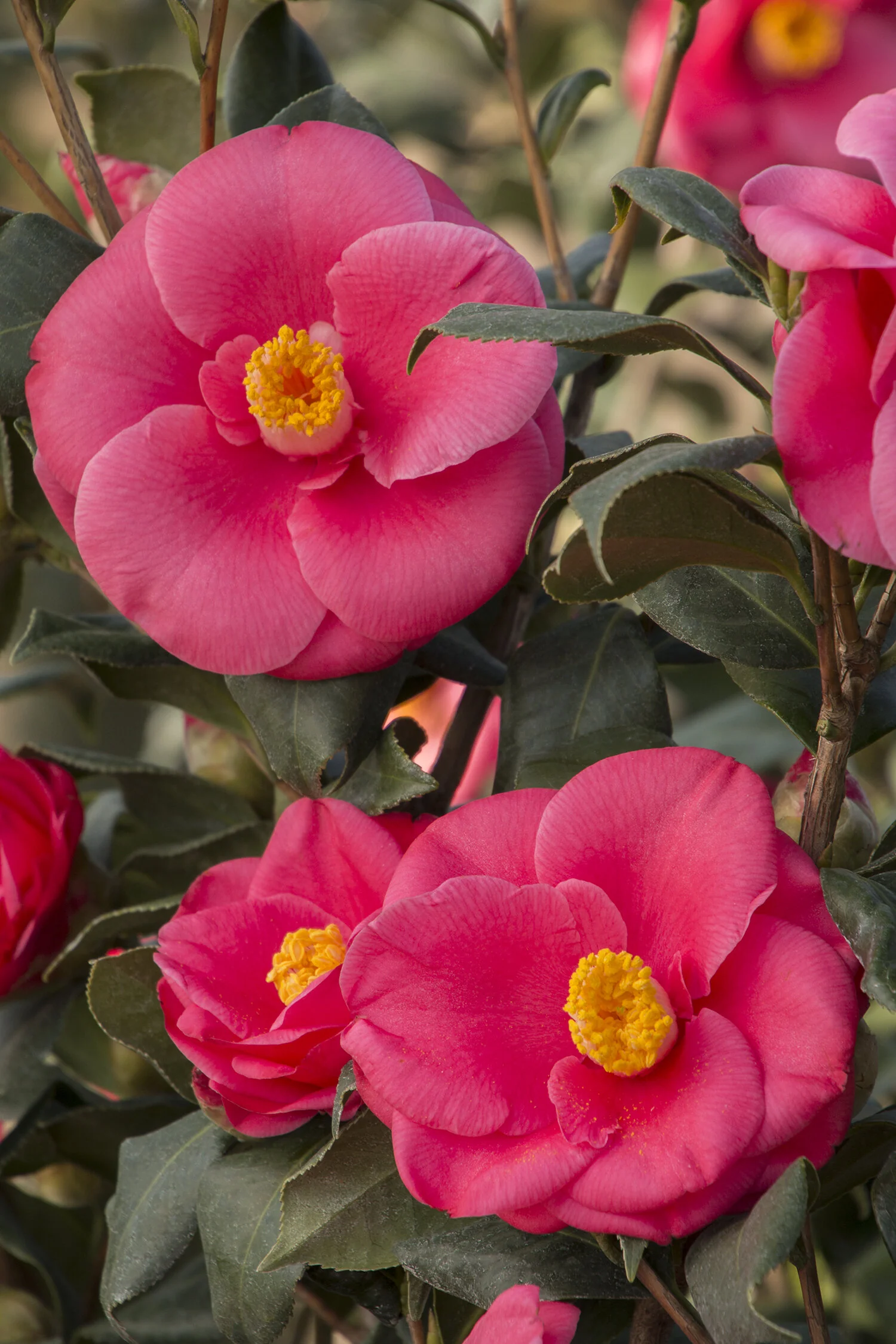
Anacostia Japanese Camellia
Camellia japonica 'Anacostia'
Pronunciation: kuh-MEE-lee-uh juh-PON-ih-kuh
SKU #08434
LIGHT:
Filtered sun, Full shade, Partial shade
WATER:
Water when top 3 inches of soil is dry.
SIZE:
Slowly reaches 8 to 12 ft. tall, 5 to 7 ft. wide.

Retailers Near You
Ready to Grow?
Ship Monrovia plants directly to your door. Browse a curated selection available online.
Shop Now >This Plant's Growing Zones: 7-9
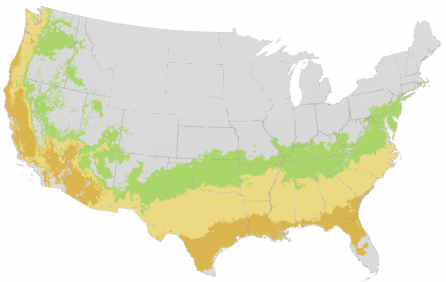
Your USDA Cold Hardiness Zone:
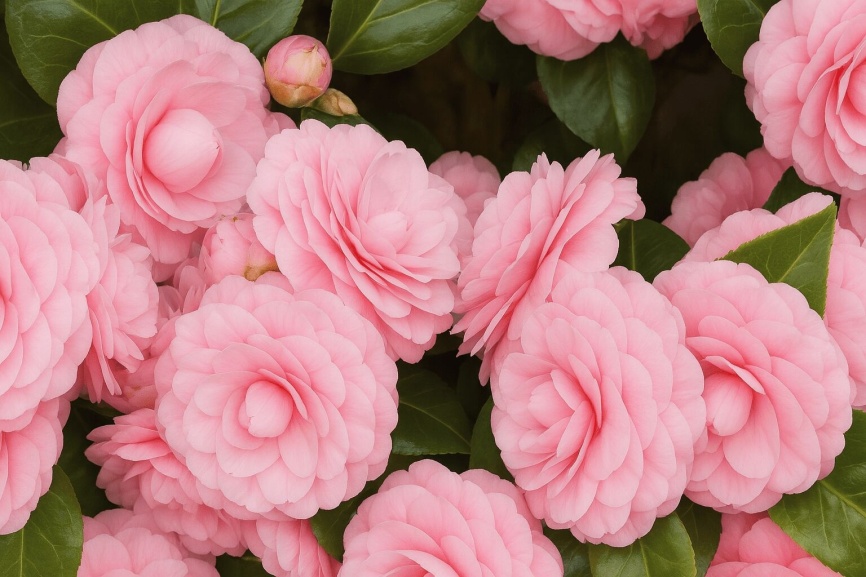
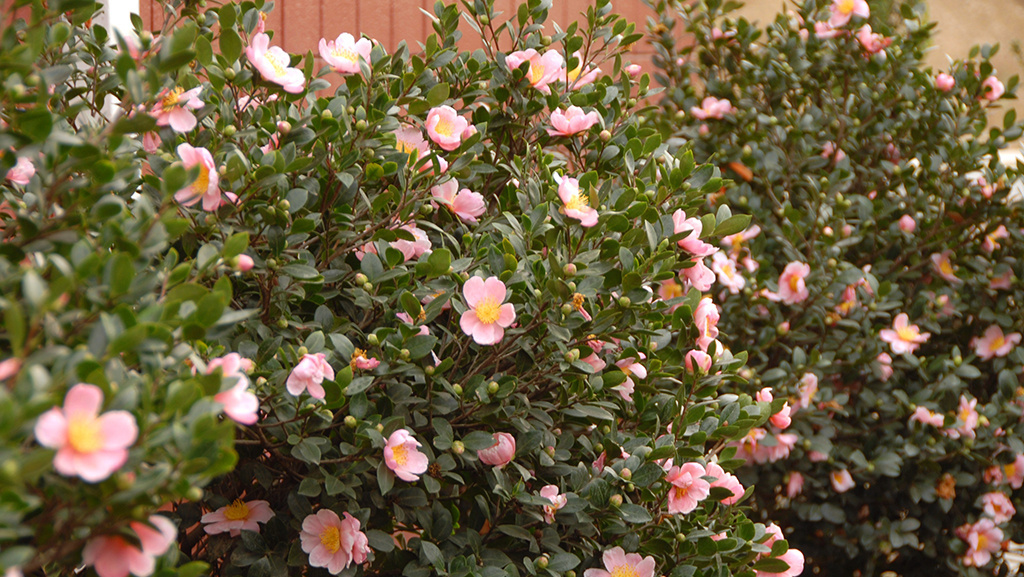
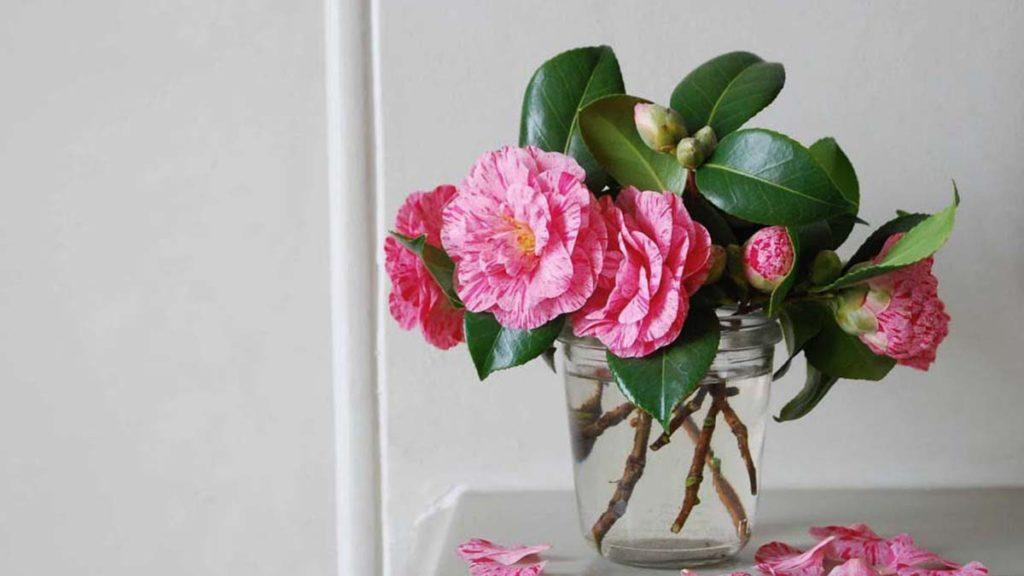
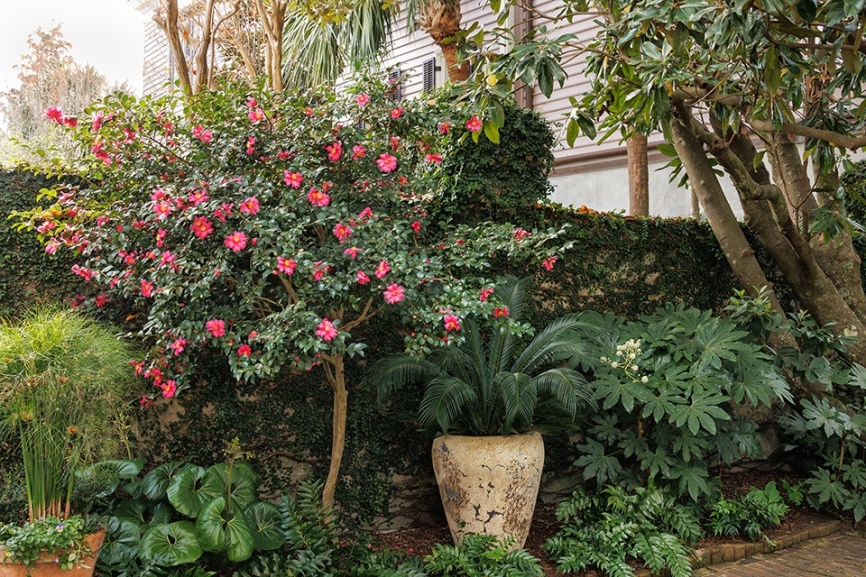
| Description | Abundant, semi-double pink blooms add welcome color to the cool-season garden. This National Arboretum selection has outstanding cold hardiness and rich, glossy foliage on a relatively compact form. Beautiful single specimen shrub, massed as a hedge or anchoring a large border. Early- to mid-season bloomer. Evergreen. |
|---|---|
| Bloom Time | Late winter to mid-spring |
| Deciduous/Evergreen | Evergreen |
| Special Features | Easy Care, Non-toxic to Cats and Dogs, Attracts Pollinators, Compact Form |
| Growth Rate | Slow |
| Flower Attributes | Flowers for Cutting, Long Bloom Season, Showy Flowers |
| Landscape Use | Container, Hedge, Privacy Screen |
| Design Ideas | A must for Asian or woodland garden settings under large, old shade trees with filtered canopies. Plant as a backdrop in mixed beds or as a foundation plant in high visibility areas. Dress up a wall or garage as a shrub or train as an espalier for a formal look. |
| Flower Color | Pink |
| Foliage Color | Dark Green |
| Companion Plants | Azalea (Azalea); Forsythia (Forsythia); Fern (Athyrium); Lily of the Valley (Pieris); Winter Daphne (Daphne) |
| Care Instructions | Provide organically rich, well-drained, acidic soil. Thrives in filtered shade. Possibly hardy into USDA Zones 6b; shelter to avoid winter sunscald and wind damage. Keep roots cool with a thick layer of mulch. Water deeply, regularly in first growing season to establish an extensive root system. Feed with an acid fertilizer after flowering. |
| History | 'Anacostia' is a Japanese hybrid camellia resulting from a cross between a white-flowered selection of C. japonica and C. japonica 'Z', a cultivar with reportedly increased cold tolerance. It was selected in the 1970s by Sylvester March, chosen for its outstanding spring floral display of bright pink, semi-double flowers, rich dark green foliage, and cold hardiness. A National Arboretum introduction (NA35667). |
Details
| Description | Abundant, semi-double pink blooms add welcome color to the cool-season garden. This National Arboretum selection has outstanding cold hardiness and rich, glossy foliage on a relatively compact form. Beautiful single specimen shrub, massed as a hedge or anchoring a large border. Early- to mid-season bloomer. Evergreen. |
|---|---|
| Bloom Time | Late winter to mid-spring |
| Deciduous/Evergreen | Evergreen |
| Special Features | Easy Care, Non-toxic to Cats and Dogs, Attracts Pollinators, Compact Form |
| Growth Rate | Slow |
| Flower Attributes | Flowers for Cutting, Long Bloom Season, Showy Flowers |
Style
| Landscape Use | Container, Hedge, Privacy Screen |
|---|---|
| Design Ideas | A must for Asian or woodland garden settings under large, old shade trees with filtered canopies. Plant as a backdrop in mixed beds or as a foundation plant in high visibility areas. Dress up a wall or garage as a shrub or train as an espalier for a formal look. |
| Flower Color | Pink |
| Foliage Color | Dark Green |
| Companion Plants | Azalea (Azalea); Forsythia (Forsythia); Fern (Athyrium); Lily of the Valley (Pieris); Winter Daphne (Daphne) |
Care
| Care Instructions | Provide organically rich, well-drained, acidic soil. Thrives in filtered shade. Possibly hardy into USDA Zones 6b; shelter to avoid winter sunscald and wind damage. Keep roots cool with a thick layer of mulch. Water deeply, regularly in first growing season to establish an extensive root system. Feed with an acid fertilizer after flowering. |
|---|
History
| History | 'Anacostia' is a Japanese hybrid camellia resulting from a cross between a white-flowered selection of C. japonica and C. japonica 'Z', a cultivar with reportedly increased cold tolerance. It was selected in the 1970s by Sylvester March, chosen for its outstanding spring floral display of bright pink, semi-double flowers, rich dark green foliage, and cold hardiness. A National Arboretum introduction (NA35667). |
|---|
Retailers Near You
About Us
We have been pioneers and craftsmen in the art of growing plants for 100 years. Since our founding in Southern California by Harry E. Rosedale, Sr. in 1926, we have been absolutely dedicated and obsessed with quality.
We have been pioneers and craftsmen in the art of growing plants for nearly 100 years. Since our founding in Southern California by Harry E. Rosedale, Sr. in 1926, we have been absolutely dedicated and obsessed with quality.