
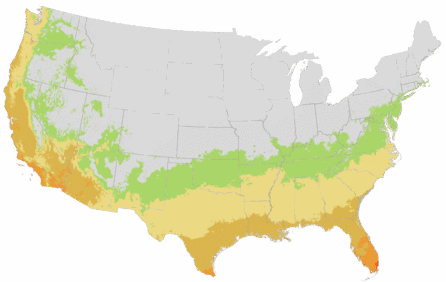
You're growing in this Zip Code:
Change LocationDiscover Plants for Your Area
Aztec Grass
Liriope muscari 'Aztec Grass'
Pronunciation: lir-EYE-oh-pee mus-KAR-ee
SKU #00966
LIGHT:
Partial sun
WATER:
Keep soil moist, but not soggy.
SIZE:
Reaches 15 inches tall and wide, spreading by rhizomes.

Retailers Near You

| Description | An eye-catching grass-like perennial with green and silver variegated foliage. A tough and easy to grow edging for pathways and borders. Adds texture and color contrast in mixed beds or containers. Plant en masse for great effect. |
|---|---|
| Bloom Time | Summer |
| Deciduous/Evergreen | Evergreen |
| Special Features | Dramatic Foliage Color, Easy Care, Waterwise, Non-toxic to Cats and Dogs |
| Problems/Solutions | Coastal Exposure, Deer Resistant, Erosion Control |
| Growth Rate | Moderate |
| Growth Habit | Clumping |
| Flower Attributes | Flowers for Cutting, Showy Flowers |
| Landscape Use | Border, Container, Poolside, Ground Cover |
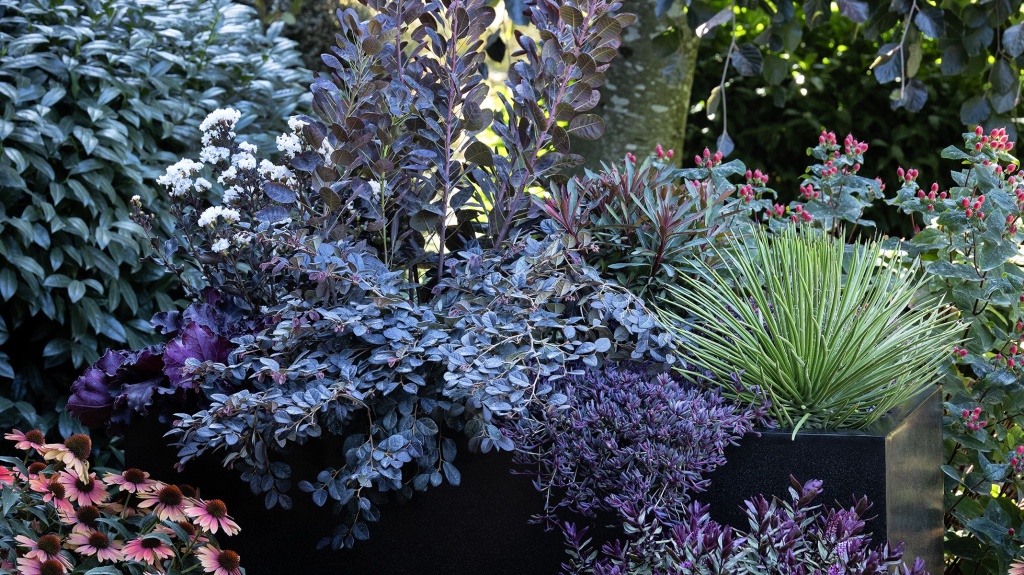
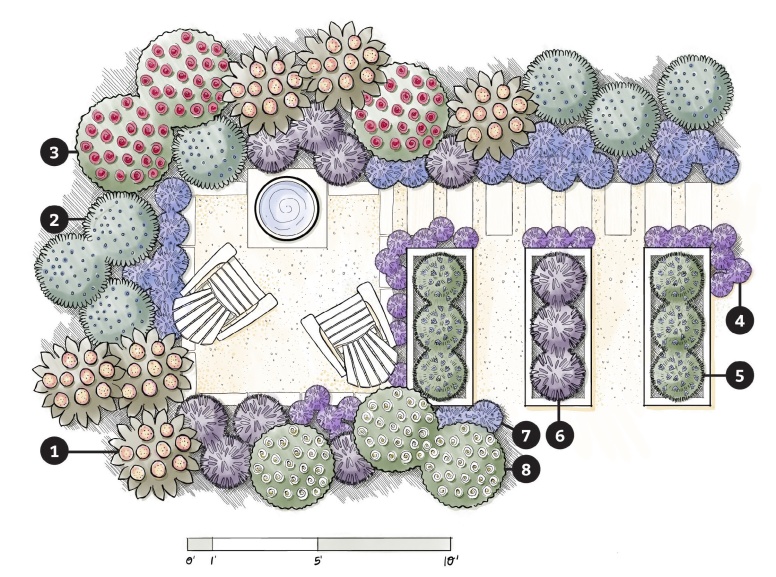
| Design Ideas | Liriopes are exceptional small perennials that adapt to a wide range of uses due to their clumping form. Line them up for a solid fine textured edging at the back of lawn or along a sidewalk or flagstone path. Use in a mass for shady groundcover to enhance its silvery looks in dappled light as it is traditionally used in the Asian garden. A great choice for the edges of natural rock edged pools and waterfalls to cover up utilities, gaps in the rock work and unsightly mortar. A very nice container plants for modern and contemporary gardens when paired with just the right pot. |
| Flower Color | Purple |
| Companion Plants | Hosta (Hosta); Coneflower (Echinacea); Daylily (Hemerocallis); Shasta Daisy (Chrysanthemum); Speedwell (Veronica) |
| Care Instructions | Thrives in average, well-drained soils. Water regularly during the first growing season to establish a deep, extensive root system. Takes mild drought, when established. Needs little care. Clumps may be divided every 2 to 3 years in early spring. |
| History | These natives of China were first described by Kaempher in 1712. The genus was later given by Portuguese Jesuit botanist missionary working in China, Juan Loureiro. The genus is named after the mother of Narcissos, Liriope. The species, named by Bailey refers to the Greek worked muschos, meaning fragrant. This group is closely related to genus Ophiopogon and a great deal of confusion exists in the nomenclature of Aztec grass, as to exactly which genus it belongs in. Liriopes and Ophiopogons have been extensively cultivated in the deep south, particularly coastal regions where they substitute for lawn. They can be found on the grounds of many old estates, parks and plantation homes. |
| Lore | In China, these plants are known as "book tape herb" and grown in every scholar's garden to use as book marks when paper was a once a very rare commodity. |
Details
| Description | An eye-catching grass-like perennial with green and silver variegated foliage. A tough and easy to grow edging for pathways and borders. Adds texture and color contrast in mixed beds or containers. Plant en masse for great effect. |
|---|---|
| Bloom Time | Summer |
| Deciduous/Evergreen | Evergreen |
| Special Features | Dramatic Foliage Color, Easy Care, Waterwise, Non-toxic to Cats and Dogs |
| Problems/Solutions | Coastal Exposure, Deer Resistant, Erosion Control |
| Growth Rate | Moderate |
| Growth Habit | Clumping |
| Flower Attributes | Flowers for Cutting, Showy Flowers |
Style
| Landscape Use | Border, Container, Poolside, Ground Cover |
|---|---|
| Design Ideas | Liriopes are exceptional small perennials that adapt to a wide range of uses due to their clumping form. Line them up for a solid fine textured edging at the back of lawn or along a sidewalk or flagstone path. Use in a mass for shady groundcover to enhance its silvery looks in dappled light as it is traditionally used in the Asian garden. A great choice for the edges of natural rock edged pools and waterfalls to cover up utilities, gaps in the rock work and unsightly mortar. A very nice container plants for modern and contemporary gardens when paired with just the right pot. |
| Flower Color | Purple |
| Companion Plants | Hosta (Hosta); Coneflower (Echinacea); Daylily (Hemerocallis); Shasta Daisy (Chrysanthemum); Speedwell (Veronica) |
Care
| Care Instructions | Thrives in average, well-drained soils. Water regularly during the first growing season to establish a deep, extensive root system. Takes mild drought, when established. Needs little care. Clumps may be divided every 2 to 3 years in early spring. |
|---|
History
| History | These natives of China were first described by Kaempher in 1712. The genus was later given by Portuguese Jesuit botanist missionary working in China, Juan Loureiro. The genus is named after the mother of Narcissos, Liriope. The species, named by Bailey refers to the Greek worked muschos, meaning fragrant. This group is closely related to genus Ophiopogon and a great deal of confusion exists in the nomenclature of Aztec grass, as to exactly which genus it belongs in. Liriopes and Ophiopogons have been extensively cultivated in the deep south, particularly coastal regions where they substitute for lawn. They can be found on the grounds of many old estates, parks and plantation homes. |
|---|---|
| Lore | In China, these plants are known as "book tape herb" and grown in every scholar's garden to use as book marks when paper was a once a very rare commodity. |
Retailers Near You
About Us
We have been pioneers and craftsmen in the art of growing plants for nearly
100 years. Since our founding in Southern California by Harry E. Rosedale, Sr.
in 1926, we have been absolutely dedicated and obsessed with quality.
We have been pioneers and craftsmen in the art of growing plants for nearly 100 years. Since our founding in Southern California by Harry E. Rosedale, Sr. in 1926, we have been absolutely dedicated and obsessed with quality.