
You're growing in this Zip Code:
Discover Plants for Your Area


Balboa Sunset® Trumpet Vine
Campsis radicans 'Monbal'
Pronunciation: KAMP-sis RAH-di-kanz
SKU #02271
LIGHT:
Full sun
WATER:
Once established water deeply occasionally.
SIZE:
Vigorous, clinging stems quickly reach 30 ft. or longer.

Retailers Near You
Ready to Grow?
Ship Monrovia plants directly to your door. Browse a curated selection available online.
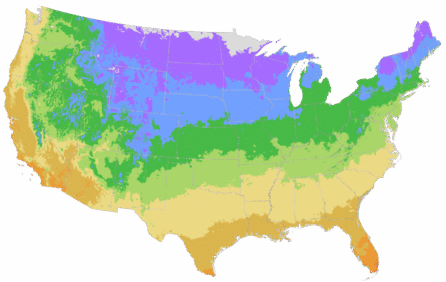
Shop Now >This Plant's Growing Zones: 4-11
Your USDA Cold Hardiness Zone:
| Description | Clusters of large, tubular, deep reddish orange flowers create a dramatic show all season long! Once established, this vigorous clinging vine thrives and blooms profusely with near neglect. Quickly covers large areas as a groundcover, screening a lattice or fence, or cloaking an arbor. Deciduous. |
|---|---|
| Bloom Time | Late spring through fall |
| Deciduous/Evergreen | Deciduous |
| Special Features | Attracts Hummingbirds, Easy Care, Waterwise, Attracts Pollinators, Fast Growing |
| Problems/Solutions | Coastal Exposure, Erosion Control, Rabbit Resistant, Drought Tolerant, Tolerates Urban Pollution |
| Growth Rate | Fast |
| Growth Habit | Climbing |
| Flower Attributes | Showy Flowers |
| Landscape Use | Espalier, Privacy Screen, Ground Cover |
| Design Ideas | A great fast growing flowering vine for cloaking open shade arbors quickly. Snake it up posts or columns to overhead trellage at gateways and entries. Will sprawl up large bare walls and across the roof to bloom in the heat. Good coverage for masking old or unattractive fences and outbuildings from view. Drape over walls or let it cascade off retaining walls. Add to wildlife friendly settings for increased hummingbird draw. |
| Flower Color | Red |
| Foliage Color | Green |
| Companion Plants | Coneflower (Echinacea); Butterfly Bush (Buddleja); Milkweed (Asclepias); Bee Balm (Monarda); Salvia (Salvia) |
| Care Instructions | Easily grown in lean, well-drained soils. Water deeply, regularly in first growing season to establish an extensive root system; reduce frequency once established. Keep slightly dry and feed sparingly to stimulate flowering; avoid high nitrogen fertilizers. Provide trellis or arbor support. Prune annually to control size. Sap may irritate skin. |
| History | This woody vine is native to the woodlands of the southeastern quarter of the United States. Its genus was named from the Greek for curve, referring to its curved stamens, and its species, radicans indicates the traveling underground roots. It is a member of the Bignonia or trumpet vine family. This vine was among the first American plants to be introduced to the Old World in 1640. |
| Lore | Discovered in 1998 by Monrovia Growers' Propagation Manager Andrew Proud, growing wild on Balboa Island, California. Large clusters of tubular shaped flowers in velvety red with hues of orange remind one of a tropical sunset. This easy-to-grow selection of the native southeast species is also very attractive to hummingbirds. |
Details
| Description | Clusters of large, tubular, deep reddish orange flowers create a dramatic show all season long! Once established, this vigorous clinging vine thrives and blooms profusely with near neglect. Quickly covers large areas as a groundcover, screening a lattice or fence, or cloaking an arbor. Deciduous. |
|---|---|
| Bloom Time | Late spring through fall |
| Deciduous/Evergreen | Deciduous |
| Special Features | Attracts Hummingbirds, Easy Care, Waterwise, Attracts Pollinators, Fast Growing |
| Problems/Solutions | Coastal Exposure, Erosion Control, Rabbit Resistant, Drought Tolerant, Tolerates Urban Pollution |
| Growth Rate | Fast |
| Growth Habit | Climbing |
| Flower Attributes | Showy Flowers |
Style
| Landscape Use | Espalier, Privacy Screen, Ground Cover |
|---|---|
| Design Ideas | A great fast growing flowering vine for cloaking open shade arbors quickly. Snake it up posts or columns to overhead trellage at gateways and entries. Will sprawl up large bare walls and across the roof to bloom in the heat. Good coverage for masking old or unattractive fences and outbuildings from view. Drape over walls or let it cascade off retaining walls. Add to wildlife friendly settings for increased hummingbird draw. |
| Flower Color | Red |
| Foliage Color | Green |
| Companion Plants | Coneflower (Echinacea); Butterfly Bush (Buddleja); Milkweed (Asclepias); Bee Balm (Monarda); Salvia (Salvia) |
Care
| Care Instructions | Easily grown in lean, well-drained soils. Water deeply, regularly in first growing season to establish an extensive root system; reduce frequency once established. Keep slightly dry and feed sparingly to stimulate flowering; avoid high nitrogen fertilizers. Provide trellis or arbor support. Prune annually to control size. Sap may irritate skin. |
|---|
History
| History | This woody vine is native to the woodlands of the southeastern quarter of the United States. Its genus was named from the Greek for curve, referring to its curved stamens, and its species, radicans indicates the traveling underground roots. It is a member of the Bignonia or trumpet vine family. This vine was among the first American plants to be introduced to the Old World in 1640. |
|---|---|
| Lore | Discovered in 1998 by Monrovia Growers' Propagation Manager Andrew Proud, growing wild on Balboa Island, California. Large clusters of tubular shaped flowers in velvety red with hues of orange remind one of a tropical sunset. This easy-to-grow selection of the native southeast species is also very attractive to hummingbirds. |
Retailers Near You
About Us
We have been pioneers and craftsmen in the art of growing plants for 100 years. Since our founding in Southern California by Harry E. Rosedale, Sr. in 1926, we have been absolutely dedicated and obsessed with quality.
We have been pioneers and craftsmen in the art of growing plants for nearly 100 years. Since our founding in Southern California by Harry E. Rosedale, Sr. in 1926, we have been absolutely dedicated and obsessed with quality.