
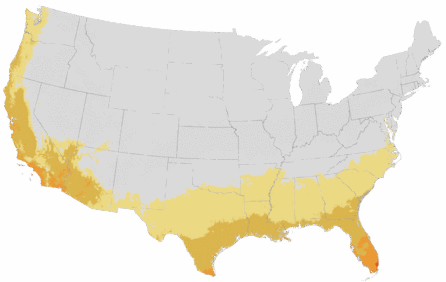
You're growing in this Zip Code:
Change LocationDiscover Plants for Your Area
Banana Shrub
Michelia figo
Pronunciation: my-KEE-lee-a FEE-go
SKU #06153
LIGHT:
Full sun, Partial sun
WATER:
Water when top 2 inches of soil is dry.
SIZE:
Slow growing to 6 to 10 ft. tall and wide.

Retailers Near You
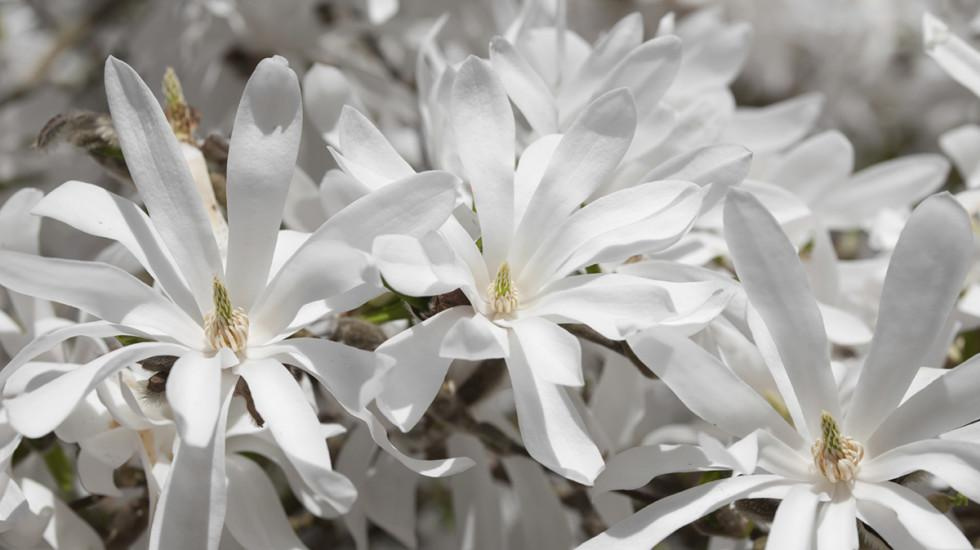

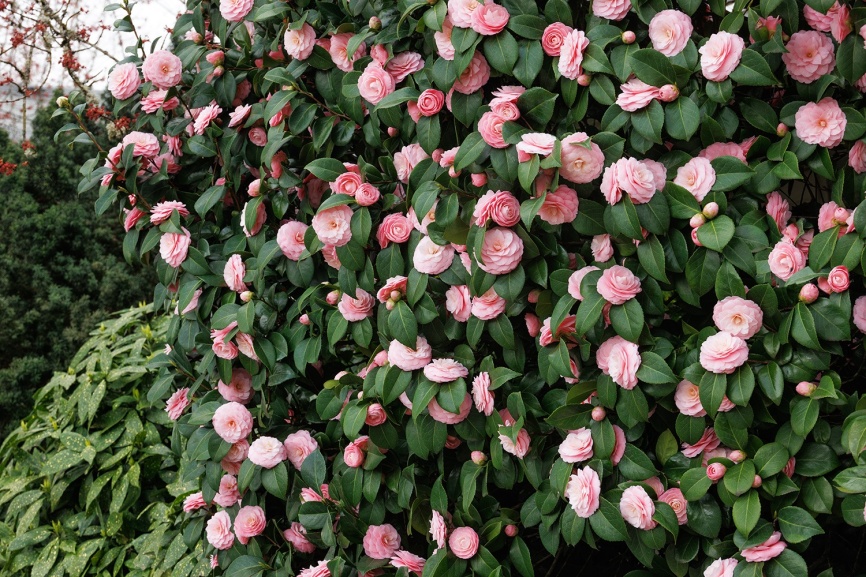
| Description | Fragrant, creamy-yellow blooms shaded with purple have a banana-like scent. Compact densely branched shrub displays narrow, glossy leaves. Use near the front of borders, so fragrance can be enjoyed. |
|---|---|
| Bloom Time | All season, heaviest in spring |
| Deciduous/Evergreen | Evergreen |
| Special Features | Compact Form |
| Growth Rate | Slow |
| Growth Habit | Rounded |
| Flower Attributes | Fragrant, Showy Flowers |
| Landscape Use | Container, Hedge |
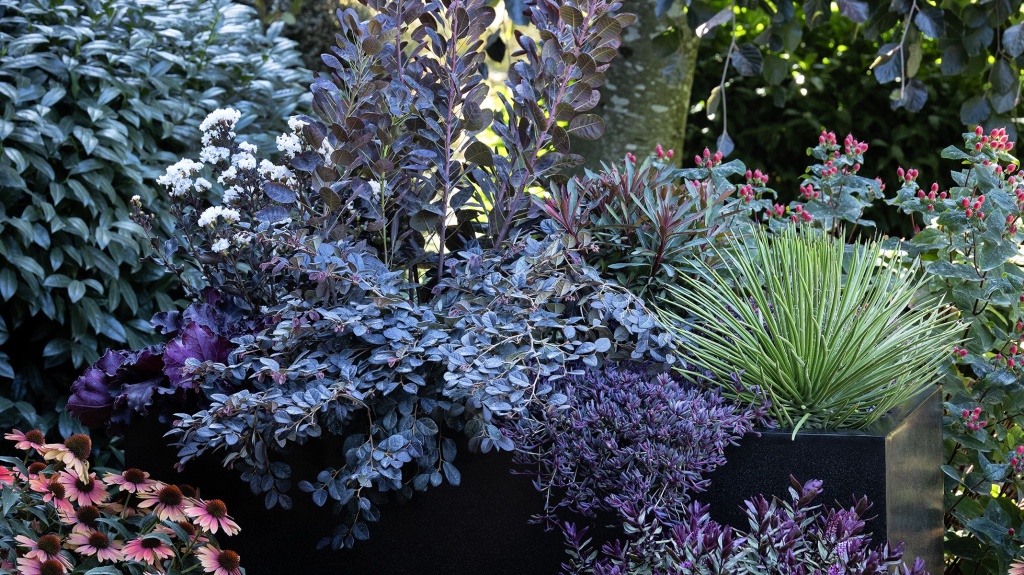
| Design Ideas | Its scent rivals the highly fragrant Plumeria used in Hawaiian leis. What this shrub lacks in bright color it fully compensates for in heady fragrance. This is a big and bushy foundation plant that will grow along fence lines. Create a hedge of them for privacy and their perfume will fill the whole area. Plant near windows and doors, where its fragrance will waft indoors. A choice selection for around swimming pools and fountains. Blend other big and beautiful semitropical plants such as bronze flax, bird of paradise, and Japanese aralia, and accent with colorful spreading lantana and bougainvillea. |
| Flower Color | Yellow |
| Foliage Color | Green |
| Companion Plants | New Zealand Flax (Phormium); Giant Bird Of Paradise (Strelitzia nicolai); Japanese Aralia (Fatsia japonica); Lantana (Lantana hybrids); Bougainvillea (Bougainvillea) |
| Care Instructions | Follow a regular watering schedule during the first growing season to establish a deep, extensive root system. Feed with a general purpose fertilizer before new growth begins in spring. For a formal appearance, shear annually after flowering. |
| History | This shrub was introduced to America in the 1700s where it became a classic evergreen of the South. This plant's genus includes about 45 Asian trees and shrubs closely related to the genus Magnolia. It was named after the Florentine botanist Peter A. Michel 1679-1737. The trees are native to a large range of western China. . |
| Lore | The fragrance of its flowers resembling the scent of bananas led to its common name, banana shrub. Be aware that NO part of the plant is edible. |
Details
| Description | Fragrant, creamy-yellow blooms shaded with purple have a banana-like scent. Compact densely branched shrub displays narrow, glossy leaves. Use near the front of borders, so fragrance can be enjoyed. |
|---|---|
| Bloom Time | All season, heaviest in spring |
| Deciduous/Evergreen | Evergreen |
| Special Features | Compact Form |
| Growth Rate | Slow |
| Growth Habit | Rounded |
| Flower Attributes | Fragrant, Showy Flowers |
Style
| Landscape Use | Container, Hedge |
|---|---|
| Design Ideas | Its scent rivals the highly fragrant Plumeria used in Hawaiian leis. What this shrub lacks in bright color it fully compensates for in heady fragrance. This is a big and bushy foundation plant that will grow along fence lines. Create a hedge of them for privacy and their perfume will fill the whole area. Plant near windows and doors, where its fragrance will waft indoors. A choice selection for around swimming pools and fountains. Blend other big and beautiful semitropical plants such as bronze flax, bird of paradise, and Japanese aralia, and accent with colorful spreading lantana and bougainvillea. |
| Flower Color | Yellow |
| Foliage Color | Green |
| Companion Plants | New Zealand Flax (Phormium); Giant Bird Of Paradise (Strelitzia nicolai); Japanese Aralia (Fatsia japonica); Lantana (Lantana hybrids); Bougainvillea (Bougainvillea) |
Care
| Care Instructions | Follow a regular watering schedule during the first growing season to establish a deep, extensive root system. Feed with a general purpose fertilizer before new growth begins in spring. For a formal appearance, shear annually after flowering. |
|---|
History
| History | This shrub was introduced to America in the 1700s where it became a classic evergreen of the South. This plant's genus includes about 45 Asian trees and shrubs closely related to the genus Magnolia. It was named after the Florentine botanist Peter A. Michel 1679-1737. The trees are native to a large range of western China. . |
|---|---|
| Lore | The fragrance of its flowers resembling the scent of bananas led to its common name, banana shrub. Be aware that NO part of the plant is edible. |
Retailers Near You
About Us
We have been pioneers and craftsmen in the art of growing plants for 100 years. Since our founding in Southern California by Harry E. Rosedale, Sr. in 1926, we have been absolutely dedicated and obsessed with quality.
We have been pioneers and craftsmen in the art of growing plants for nearly 100 years. Since our founding in Southern California by Harry E. Rosedale, Sr. in 1926, we have been absolutely dedicated and obsessed with quality.