
You're growing in this Zip Code:
Change LocationDiscover Plants for Your Area
Bissett Bamboo
Phyllostachys bissettii
Pronunciation: fil-oh-STAY-kis bis-SET-eye
SKU #01128
LIGHT:
Full sun, Partial sun
WATER:
Keep soil moist, but not soggy.
SIZE:
Quickly reaches 20 ft. tall, spreading vigorously by underground stems.

Retailers Near You
| Description | One of the hardier bamboos! Large dark green leaves are borne on tall, one-inch diameter stems. Forms a beautiful, tall, dense screen or large container specimen. This is a running bamboo that should be contained. Evergreen. |
|---|---|
| Bloom Time | Inconspicuous; prized for foliage. |
| Deciduous/Evergreen | Evergreen |
| Special Features | Non-toxic to Cats and Dogs, Fast Growing, Benefits Birds |
| Growth Rate | Fast |
| Growth Habit | Spreading |
| Landscape Use | Container, Privacy Screen, Windbreak |
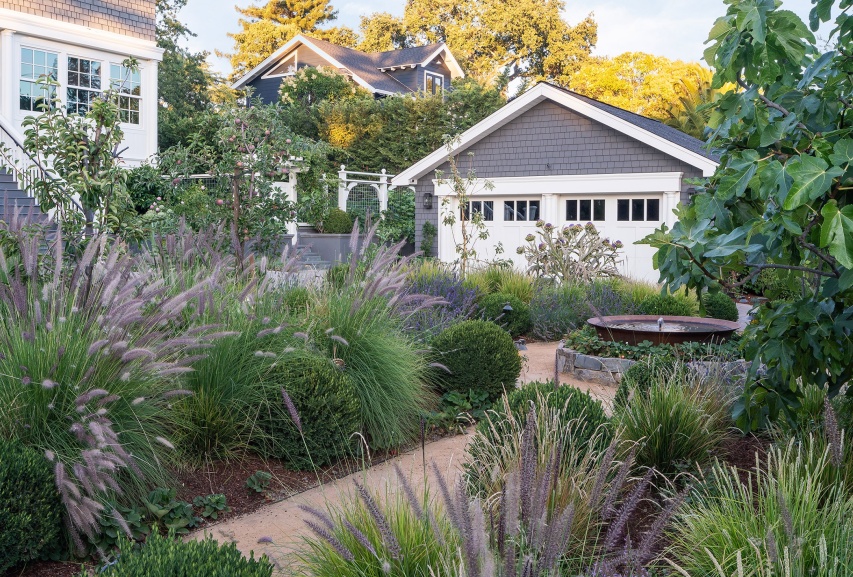
| Design Ideas | This rugged Bamboo can help create an Asian or tropical garden where there is a good deal of frost. It is invasive, therefore best grown in big ceramic pots or in a tightly constrained bed. Grow at corners of buildings, use as a dense, tall screen on property lines or adjacent to commercial land uses. Makes a beautiful background for water features and garden art. You also get a bonus of unlimited cut Bamboo poles for staking other plants! |
| Foliage Color | Green |
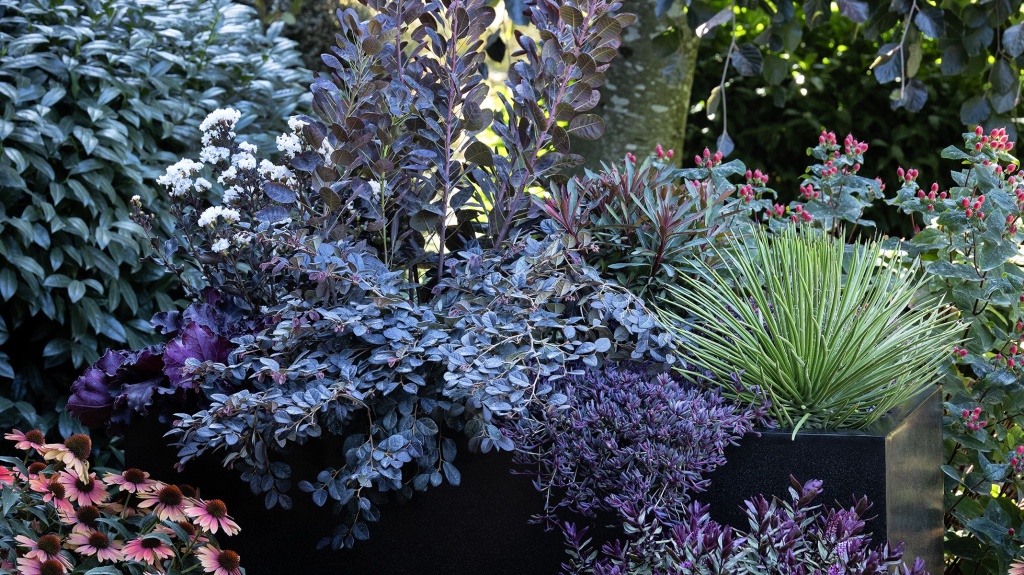
| Companion Plants | Japanese Maple (Acer); Azalea (Azalea); Lily of the Valley (Pieris); Peony (Paeonia); Pachysandra (Pachysandra) |
| Care Instructions | Thrives in humus-rich, well-drained soils. Spreads by rhizomes and can become invasive; best contained in a non-perforated pot with the lip above soil level. Protect root zone with a 4 to 6-inch layer of mulch to protect in harsh winter regions. Remove older canes and new shoots at the base to thin and reduce vigor. |
| History | This species is native to China and introduced sometime after the middle 19th century. It is valued as a more cold hardy alternative to P. aurea and may be the most cold hardy species of this genus. It is also among the tallest and in China it is known as "fishing pole bamboo". Like all bamboo it is a true grass and therefore fall into the Graminaeae family with its smaller cousins. It is native to much of Asia and is a chief source of paper pulp and construction material, and the shoots as a food crop too. This genus was likely collected by the great plant hunter, Dr. Philipp von Siebold, 1791-1866, physician of the Dutch East India Company. He worked with Joseph Zuccarini, a botanical professor in Munich to classify the genus of about 80 species. |
Details
| Description | One of the hardier bamboos! Large dark green leaves are borne on tall, one-inch diameter stems. Forms a beautiful, tall, dense screen or large container specimen. This is a running bamboo that should be contained. Evergreen. |
|---|---|
| Bloom Time | Inconspicuous; prized for foliage. |
| Deciduous/Evergreen | Evergreen |
| Special Features | Non-toxic to Cats and Dogs, Fast Growing, Benefits Birds |
| Growth Rate | Fast |
| Growth Habit | Spreading |
Style
| Landscape Use | Container, Privacy Screen, Windbreak |
|---|---|
| Design Ideas | This rugged Bamboo can help create an Asian or tropical garden where there is a good deal of frost. It is invasive, therefore best grown in big ceramic pots or in a tightly constrained bed. Grow at corners of buildings, use as a dense, tall screen on property lines or adjacent to commercial land uses. Makes a beautiful background for water features and garden art. You also get a bonus of unlimited cut Bamboo poles for staking other plants! |
| Foliage Color | Green |
| Companion Plants | Japanese Maple (Acer); Azalea (Azalea); Lily of the Valley (Pieris); Peony (Paeonia); Pachysandra (Pachysandra) |
Care
| Care Instructions | Thrives in humus-rich, well-drained soils. Spreads by rhizomes and can become invasive; best contained in a non-perforated pot with the lip above soil level. Protect root zone with a 4 to 6-inch layer of mulch to protect in harsh winter regions. Remove older canes and new shoots at the base to thin and reduce vigor. |
|---|
History
| History | This species is native to China and introduced sometime after the middle 19th century. It is valued as a more cold hardy alternative to P. aurea and may be the most cold hardy species of this genus. It is also among the tallest and in China it is known as "fishing pole bamboo". Like all bamboo it is a true grass and therefore fall into the Graminaeae family with its smaller cousins. It is native to much of Asia and is a chief source of paper pulp and construction material, and the shoots as a food crop too. This genus was likely collected by the great plant hunter, Dr. Philipp von Siebold, 1791-1866, physician of the Dutch East India Company. He worked with Joseph Zuccarini, a botanical professor in Munich to classify the genus of about 80 species. |
|---|
Retailers Near You
About Us
We have been pioneers and craftsmen in the art of growing plants for 100 years. Since our founding in Southern California by Harry E. Rosedale, Sr. in 1926, we have been absolutely dedicated and obsessed with quality.
We have been pioneers and craftsmen in the art of growing plants for nearly 100 years. Since our founding in Southern California by Harry E. Rosedale, Sr. in 1926, we have been absolutely dedicated and obsessed with quality.