
You're growing in this Zip Code:
Discover Plants for Your Area

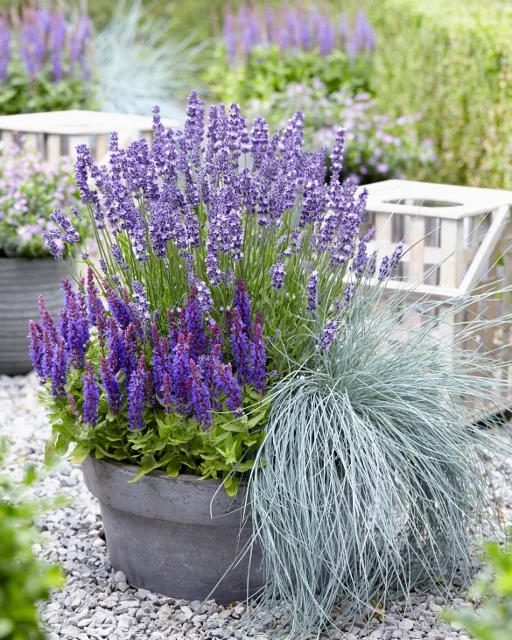

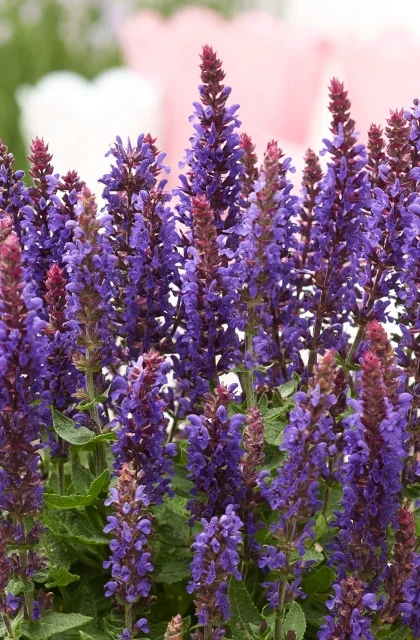
Blue Bouquetta Meadow Sage
Salvia nemorosa 'ALKLF' PP #28,393
Pronunciation: SAL-vee-uh nem-or-OH-suh
SKU #43174
LIGHT:
Full sun
WATER:
Allow soil to dry between waterings.
SIZE:
Moderate growing; reaches only 8 to 12 in. tall and wide.

Retailers Near You
Ready to Grow?
Ship Monrovia plants directly to your door. Browse a curated selection available online.
Shop Now >This Plant's Growing Zones: 4-9
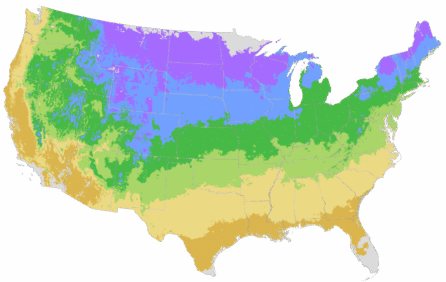
Your USDA Cold Hardiness Zone:
Be Inspired: How to Use this Plant
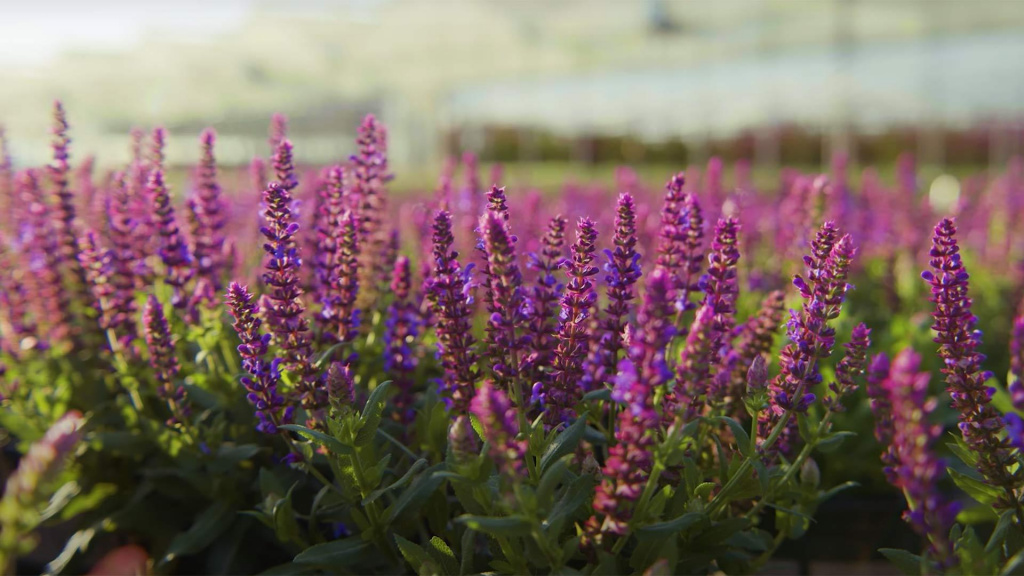
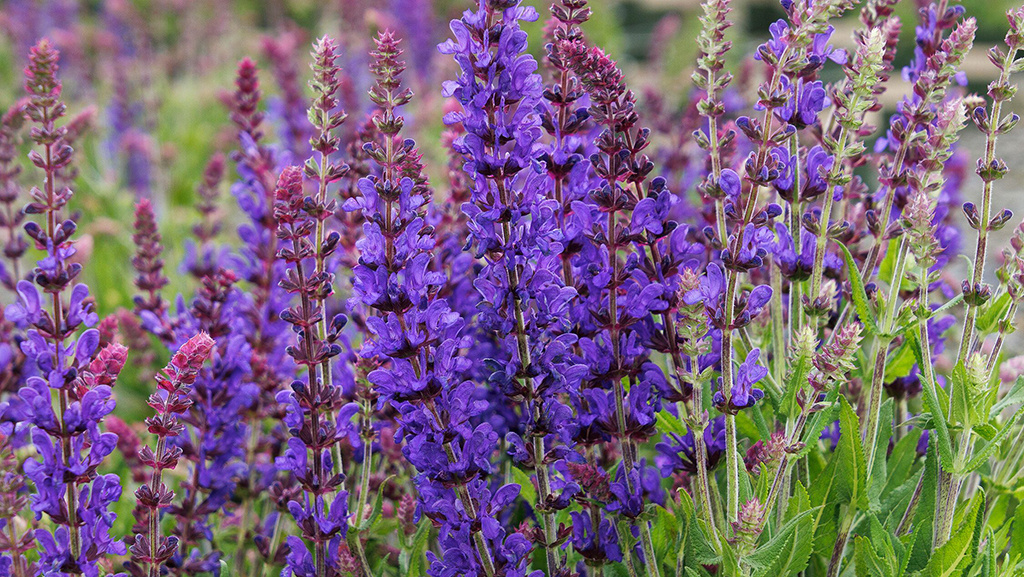

| Description | A stunning bouquet of full, intensely blue-violet flower spikes on a petite plant with mounding, glossy green foliage. Perfectly suited for use in a small garden, as a vibrant container specimen, or en masse in a border front. Its sterile flowers allow it to devote its energy to producing an abundance of sensational blooms. An herbaceous perennial. |
|---|---|
| Bloom Time | Spring to late summer |
| Deciduous/Evergreen | Herbaceous |
| Special Features | Attracts Hummingbirds, Waterwise, Attracts Pollinators, Heat Loving, Compact Form |
| Problems/Solutions | Deer Resistant, Rabbit Resistant |
| Growth Rate | Moderate |
| Flower Attributes | Flowers for Cutting, Long Bloom Season, Repeat Flowering, Showy Flowers |
| Patent Act | Asexual reproduction of plants protected by the Plant Patent Act is prohibited during the life of the patent. |
| Landscape Use | Border, Accent |
| Flower Color | Blue |
| Foliage Color | Green |
| Companion Plants | Russian Sage (Perovskia); Blue Fescue (Festuca); Yarrow (Achillea); Blanket Flower (Gaillardia); Black-Eyed Susan (Rudbeckia); Lavender (Lavandula) |
| Care Instructions | Provide enriched, well-drained soil. Water deeply, regularly in the first growing season to establish an extensive root system. Once established, reduce frequency; tolerates periodic dry spells. Cut back to 3 inches above soil line and fertilize before new spring growth begins. Remove spent flowers to encourage continuous bloom. |
| History | Plantarium 2016 Bronze Medal award winner. Blue Bouquetta ('ALKLF') was a mutation discovered in a production field of Salvia nemerosa 'Ostfriesland' in Lissie, The Netherlands. It is noted for its dwarf habit, its prolific production of full, blue-violet, sterile flower spikes, and abundance of shoots in response to pinching. |
Details
| Description | A stunning bouquet of full, intensely blue-violet flower spikes on a petite plant with mounding, glossy green foliage. Perfectly suited for use in a small garden, as a vibrant container specimen, or en masse in a border front. Its sterile flowers allow it to devote its energy to producing an abundance of sensational blooms. An herbaceous perennial. |
|---|---|
| Bloom Time | Spring to late summer |
| Deciduous/Evergreen | Herbaceous |
| Special Features | Attracts Hummingbirds, Waterwise, Attracts Pollinators, Heat Loving, Compact Form |
| Problems/Solutions | Deer Resistant, Rabbit Resistant |
| Growth Rate | Moderate |
| Flower Attributes | Flowers for Cutting, Long Bloom Season, Repeat Flowering, Showy Flowers |
| Patent Act | Asexual reproduction of plants protected by the Plant Patent Act is prohibited during the life of the patent. |
Style
| Landscape Use | Border, Accent |
|---|---|
| Flower Color | Blue |
| Foliage Color | Green |
| Companion Plants | Russian Sage (Perovskia); Blue Fescue (Festuca); Yarrow (Achillea); Blanket Flower (Gaillardia); Black-Eyed Susan (Rudbeckia); Lavender (Lavandula) |
Care
| Care Instructions | Provide enriched, well-drained soil. Water deeply, regularly in the first growing season to establish an extensive root system. Once established, reduce frequency; tolerates periodic dry spells. Cut back to 3 inches above soil line and fertilize before new spring growth begins. Remove spent flowers to encourage continuous bloom. |
|---|
History
| History | Plantarium 2016 Bronze Medal award winner. Blue Bouquetta ('ALKLF') was a mutation discovered in a production field of Salvia nemerosa 'Ostfriesland' in Lissie, The Netherlands. It is noted for its dwarf habit, its prolific production of full, blue-violet, sterile flower spikes, and abundance of shoots in response to pinching. |
|---|
Retailers Near You
About Us
We have been pioneers and craftsmen in the art of growing plants for 100 years. Since our founding in Southern California by Harry E. Rosedale, Sr. in 1926, we have been absolutely dedicated and obsessed with quality.
We have been pioneers and craftsmen in the art of growing plants for nearly 100 years. Since our founding in Southern California by Harry E. Rosedale, Sr. in 1926, we have been absolutely dedicated and obsessed with quality.