
You're growing in this Zip Code:
Discover Plants for Your Area
Blue False Indigo
Baptisia australis
Pronunciation: bap-TIS-ee-uh aw-STRAL-iss
SKU #00219
LIGHT:
Full sun, Partial sun
WATER:
Drought tolerant once established
SIZE:
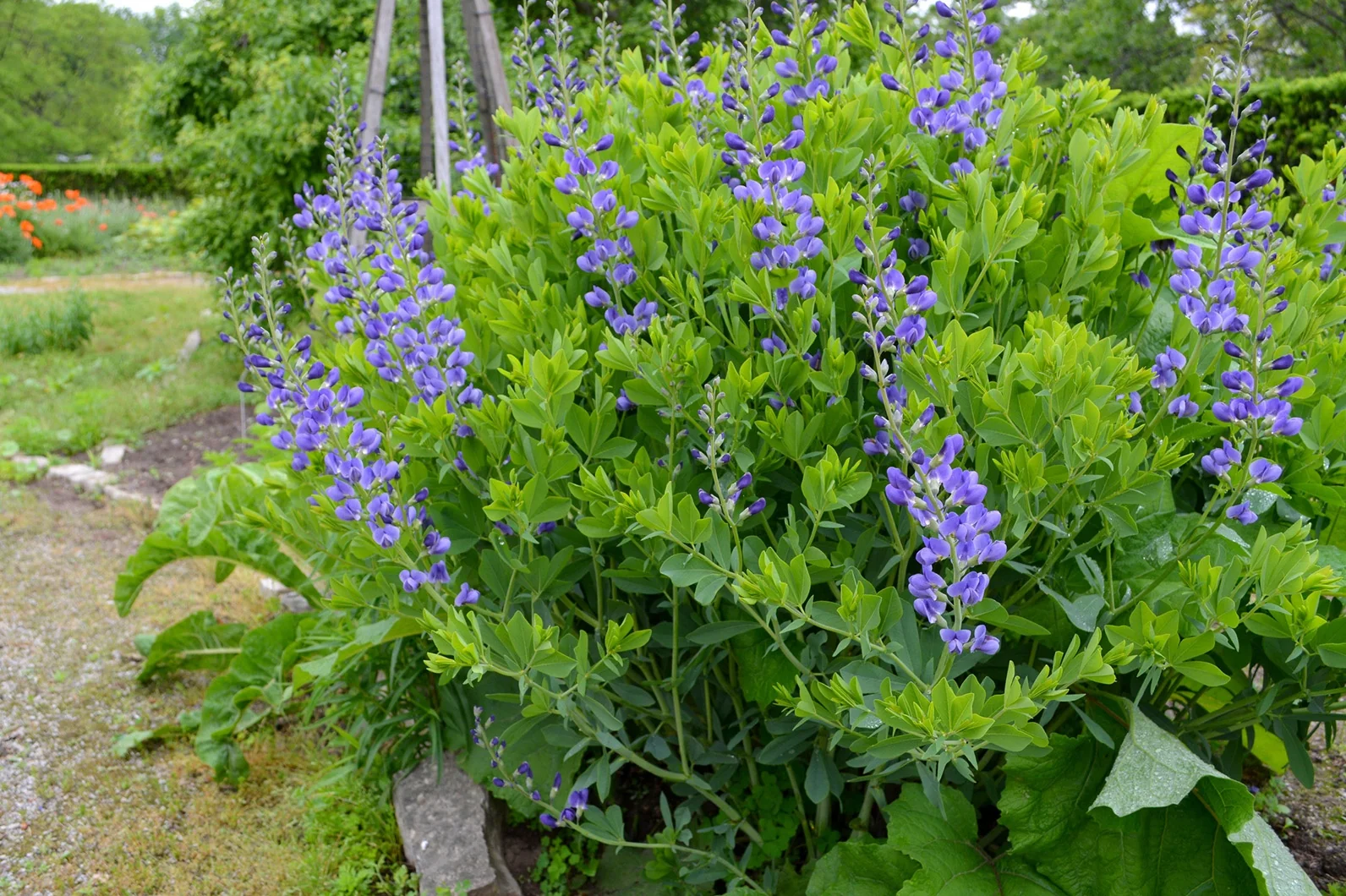
Moderate grower to 4 ft. tall and wide.

Retailers Near You
Ready to Grow?
Ship Monrovia plants directly to your door. Browse a curated selection available online.
Shop Now >This Plant's Growing Zones: 3-9
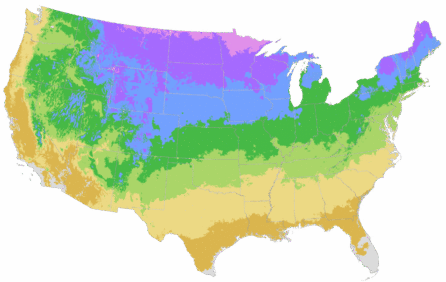
Your USDA Cold Hardiness Zone:
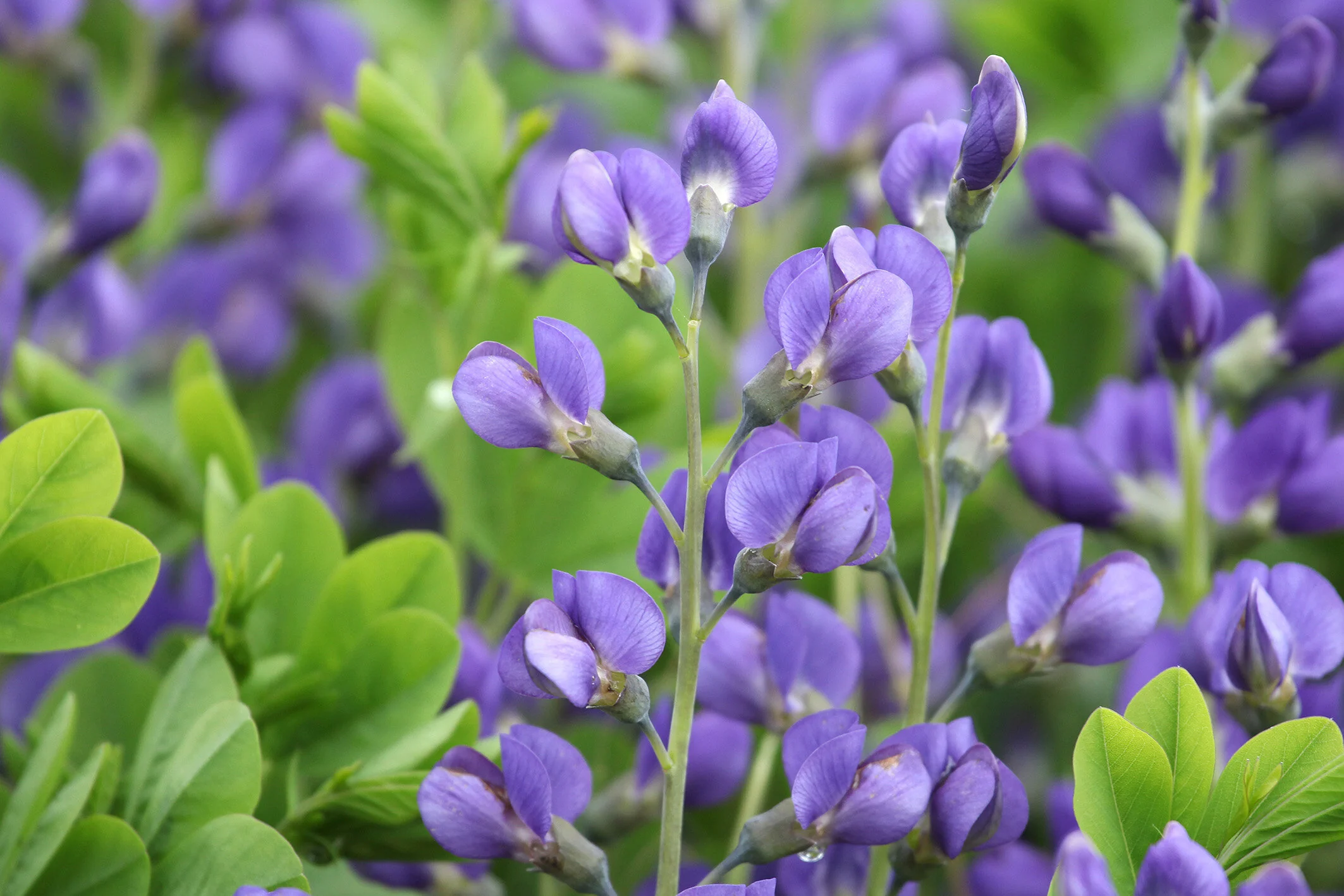
| Description | Short spikes of indigo-blue, pea-like flowers cover dense, blue green foliage. This showy, long-lived, bushy perennial is excellent for massing or at the back of the border. Attractive seed pods in early summer follow the flowers. Great cut flower. |
|---|---|
| Bloom Time | Late spring to early summer |
| Deciduous/Evergreen | Herbaceous |
| Special Features | Attracts Butterflies, Waterwise, North American Native, Attracts Pollinators |
| Problems/Solutions | Deer Resistant |
| Growth Rate | Moderate |
| Flower Attributes | Flowers for Cutting, Showy Flowers |
| Landscape Use | Border |
| Design Ideas | A big bushy plant to flesh out sparse border with rich blue flowers. Combines well with most American native species and blends well with grasses for meadow gardens. Grow as a cut flower. Particularly good massed for a large sea of delicious cool blue. |
| Flower Color | Blue |
| Foliage Color | Blue-green |
| Companion Plants | Forsythia (Forsythia); Bee Balm (Monarda); Lilac (Syringa); Eastern Snowball, (Viburnum); Salvia (Salvia) |
| Care Instructions | Follow a regular watering schedule during the first growing season to establish a deep, extensive root system. Feed with a general purpose fertilizer before new growth begins in spring. Prune old flower heads to encourage more blossoms. |
| History | Blue false indigo is a native wildflower found through much of the eastern United States but most commonly in the South. It is classified into the Pea Family and like other legumes it is capable of fixing atmospheric nitrogen into its root system. |
| Lore | Native Americans used this as a dye plant for blue coloring even though it was vastly inferior to the indigo of the tropics and trade. |
Details
| Description | Short spikes of indigo-blue, pea-like flowers cover dense, blue green foliage. This showy, long-lived, bushy perennial is excellent for massing or at the back of the border. Attractive seed pods in early summer follow the flowers. Great cut flower. |
|---|---|
| Bloom Time | Late spring to early summer |
| Deciduous/Evergreen | Herbaceous |
| Special Features | Attracts Butterflies, Waterwise, North American Native, Attracts Pollinators |
| Problems/Solutions | Deer Resistant |
| Growth Rate | Moderate |
| Flower Attributes | Flowers for Cutting, Showy Flowers |
Style
| Landscape Use | Border |
|---|---|
| Design Ideas | A big bushy plant to flesh out sparse border with rich blue flowers. Combines well with most American native species and blends well with grasses for meadow gardens. Grow as a cut flower. Particularly good massed for a large sea of delicious cool blue. |
| Flower Color | Blue |
| Foliage Color | Blue-green |
| Companion Plants | Forsythia (Forsythia); Bee Balm (Monarda); Lilac (Syringa); Eastern Snowball, (Viburnum); Salvia (Salvia) |
Care
| Care Instructions | Follow a regular watering schedule during the first growing season to establish a deep, extensive root system. Feed with a general purpose fertilizer before new growth begins in spring. Prune old flower heads to encourage more blossoms. |
|---|
History
| History | Blue false indigo is a native wildflower found through much of the eastern United States but most commonly in the South. It is classified into the Pea Family and like other legumes it is capable of fixing atmospheric nitrogen into its root system. |
|---|---|
| Lore | Native Americans used this as a dye plant for blue coloring even though it was vastly inferior to the indigo of the tropics and trade. |
Retailers Near You
About Us
We have been pioneers and craftsmen in the art of growing plants for 100 years. Since our founding in Southern California by Harry E. Rosedale, Sr. in 1926, we have been absolutely dedicated and obsessed with quality.
We have been pioneers and craftsmen in the art of growing plants for nearly 100 years. Since our founding in Southern California by Harry E. Rosedale, Sr. in 1926, we have been absolutely dedicated and obsessed with quality.