
You're growing in this Zip Code:
Change LocationDiscover Plants for Your Area
Blue Skies® Lilac
Syringa vulgaris 'Monore'
Pronunciation: sih-REEN-gah vul-GAIR-iss
SKU #07179
LIGHT:
Full sun, Partial sun
WATER:
Water when top 2 inches of soil is dry.
SIZE:
Quickly reaches 10 ft. tall, 6 ft. wide.

Retailers Near You
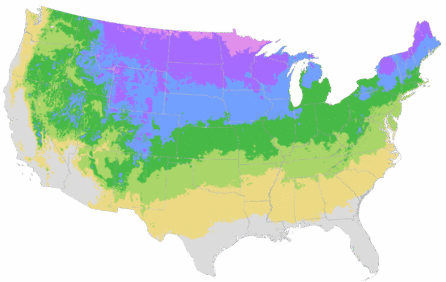

| Description | One of the best lilacs for warm winter areas. Produces spectacular clusters of light lavender-blue flowers without winter chilling! A midseason bloomer that typically flowers in mid-May. Bright green foliage maintains its attractive appearance all summer. Plant near a window or pathway where the fragrant blooms can be enjoyed. Deciduous. |
|---|---|
| Bloom Time | Spring |
| Deciduous/Evergreen | Deciduous |
| Special Features | Easy Care, Low Chill Requirement, Attracts Pollinators, Fast Growing |
| Problems/Solutions | Deer Resistant, Rabbit Resistant |
| Growth Rate | Fast |
| Growth Habit | Spreading |
| Flower Attributes | Flowers for Cutting, Fragrant, Showy Flowers |
| Patent Act | Asexual reproduction of plants protected by the Plant Patent Act is prohibited during the life of the patent. |
| Landscape Use | Border, Hedge, Privacy Screen, Windbreak |
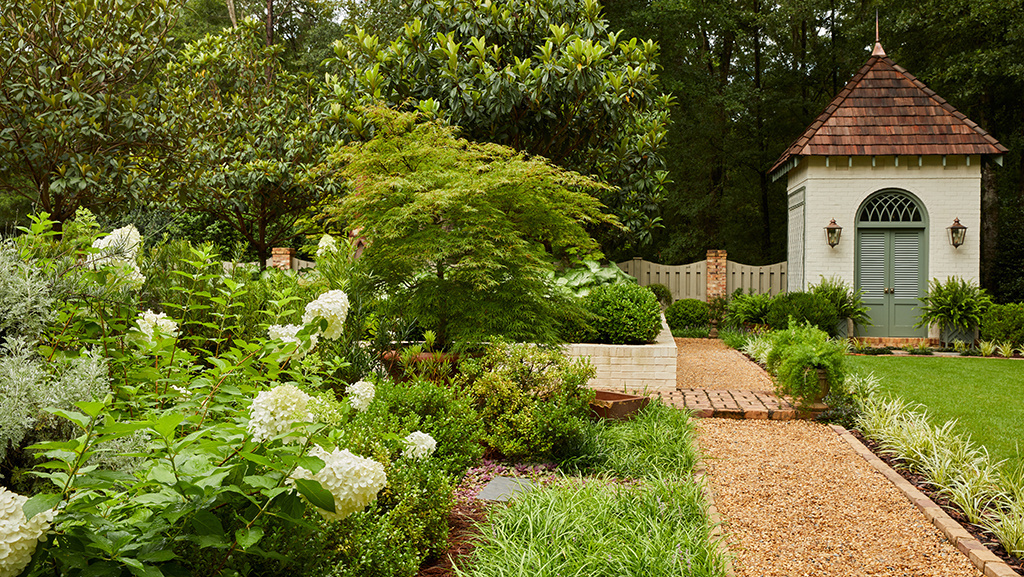
| Design Ideas | Lilacs are among the most beautiful of all deciduous flowering shrubs. Use as a single specimen early season focal point at some far point of the garden. Closer in plant where the heady fragrance is best enjoyed. In side yards and as hedges dividing houses the windows can be open for the floral scent to waft indoors. Plant next to outdoor living spaces, preferably upwind to keep you perpetually perfumed. Large plants make excellent background for perennial borders. Use to mark a gateway or entry where you pass by the blooms going in and out. A stellar foundation plant for front yard highlights. |
| Flower Color | Blue |
| Foliage Color | Green |
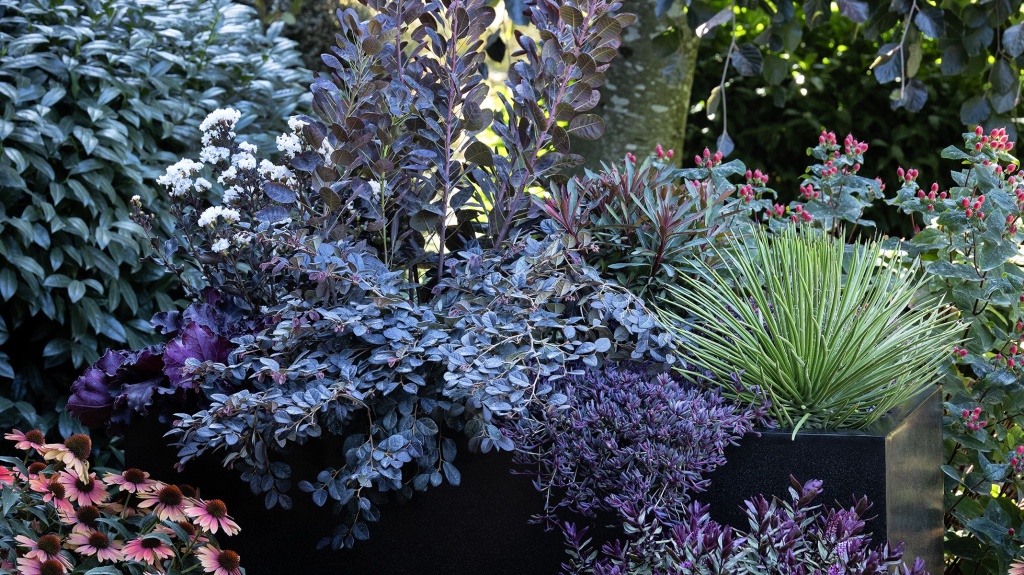
| Companion Plants | Smoke Tree (Cotinus) Maiden Grass (Miscanthus); Black-Eyed Susan (Rudbeckia); Coneflower (Echinacea); Juniper (Juniperus) |
| Care Instructions | Thrives in well-drained, neutral to slightly alkaline soils. Needs good air circulation. Water deeply, regularly in the first growing season to establish an extensive root system. Once established, reduce frequency; increase frequency again before and during spring bloom period. Fertilize in early spring. Prune after flowering. |
| History | The common lilac was first described by Pierre Belon, a French naturalist who knew it from the Turks who called it "fox's tail." He published it in his Observationsaround 1553. The first plants to reach Europe arrived in 1562 as gifts to the French Embassy from the court of Suleman the Magnificent. The French ever since were in the forefront of lilac breeding in Europe. It was brought to America with early settlers to the colonies and is one of the only two species to cultivated until the 19th century. Asian species from China changed everything and by 1928 there were over 450 different lilac cultivars, and among these were the parents of this group which are known to enjoy a longer life span in warmer climates. This cultivar was developed by famed horticulturist and nurseryman Mr. Ralph Moore, of Moore Miniature Rose Nursery, Visalia California, and introduced by Monrovia in 1987. |
| Lore | Lilac has always been renowned for the fragrance of its flowers, yet it has long been considered bad luck to bring cut lilac blooms indoors. Some attribute this to the old time practice of using lilac flowers to mask the odor of death during funerals with viewing of the body done in the home parlor. |
Details
| Description | One of the best lilacs for warm winter areas. Produces spectacular clusters of light lavender-blue flowers without winter chilling! A midseason bloomer that typically flowers in mid-May. Bright green foliage maintains its attractive appearance all summer. Plant near a window or pathway where the fragrant blooms can be enjoyed. Deciduous. |
|---|---|
| Bloom Time | Spring |
| Deciduous/Evergreen | Deciduous |
| Special Features | Easy Care, Low Chill Requirement, Attracts Pollinators, Fast Growing |
| Problems/Solutions | Deer Resistant, Rabbit Resistant |
| Growth Rate | Fast |
| Growth Habit | Spreading |
| Flower Attributes | Flowers for Cutting, Fragrant, Showy Flowers |
| Patent Act | Asexual reproduction of plants protected by the Plant Patent Act is prohibited during the life of the patent. |
Style
| Landscape Use | Border, Hedge, Privacy Screen, Windbreak |
|---|---|
| Design Ideas | Lilacs are among the most beautiful of all deciduous flowering shrubs. Use as a single specimen early season focal point at some far point of the garden. Closer in plant where the heady fragrance is best enjoyed. In side yards and as hedges dividing houses the windows can be open for the floral scent to waft indoors. Plant next to outdoor living spaces, preferably upwind to keep you perpetually perfumed. Large plants make excellent background for perennial borders. Use to mark a gateway or entry where you pass by the blooms going in and out. A stellar foundation plant for front yard highlights. |
| Flower Color | Blue |
| Foliage Color | Green |
| Companion Plants | Smoke Tree (Cotinus) Maiden Grass (Miscanthus); Black-Eyed Susan (Rudbeckia); Coneflower (Echinacea); Juniper (Juniperus) |
Care
| Care Instructions | Thrives in well-drained, neutral to slightly alkaline soils. Needs good air circulation. Water deeply, regularly in the first growing season to establish an extensive root system. Once established, reduce frequency; increase frequency again before and during spring bloom period. Fertilize in early spring. Prune after flowering. |
|---|
History
| History | The common lilac was first described by Pierre Belon, a French naturalist who knew it from the Turks who called it "fox's tail." He published it in his Observationsaround 1553. The first plants to reach Europe arrived in 1562 as gifts to the French Embassy from the court of Suleman the Magnificent. The French ever since were in the forefront of lilac breeding in Europe. It was brought to America with early settlers to the colonies and is one of the only two species to cultivated until the 19th century. Asian species from China changed everything and by 1928 there were over 450 different lilac cultivars, and among these were the parents of this group which are known to enjoy a longer life span in warmer climates. This cultivar was developed by famed horticulturist and nurseryman Mr. Ralph Moore, of Moore Miniature Rose Nursery, Visalia California, and introduced by Monrovia in 1987. |
|---|---|
| Lore | Lilac has always been renowned for the fragrance of its flowers, yet it has long been considered bad luck to bring cut lilac blooms indoors. Some attribute this to the old time practice of using lilac flowers to mask the odor of death during funerals with viewing of the body done in the home parlor. |
Retailers Near You
About Us
We have been pioneers and craftsmen in the art of growing plants for 100 years. Since our founding in Southern California by Harry E. Rosedale, Sr. in 1926, we have been absolutely dedicated and obsessed with quality.
We have been pioneers and craftsmen in the art of growing plants for nearly 100 years. Since our founding in Southern California by Harry E. Rosedale, Sr. in 1926, we have been absolutely dedicated and obsessed with quality.