
You're growing in this Zip Code:
Change LocationDiscover Plants for Your Area
Bright 'N Tight® Carolina Laurel
Prunus caroliniana 'Monus'
Pronunciation: PROO-nus ka-ro-lin-i-AY-na
SKU #06700
LIGHT:
Full sun, Partial sun
WATER:
Water when top 2 inches of soil is dry.
SIZE:
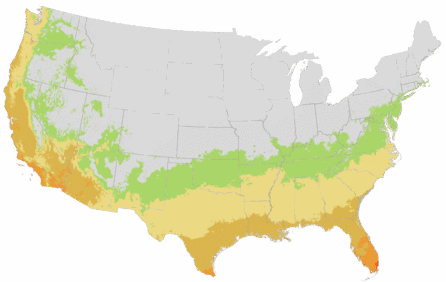
Moderate growing; reaches 8 to 10 ft. tall, 6 to 8 ft. wide in 10 years.

Retailers Near You
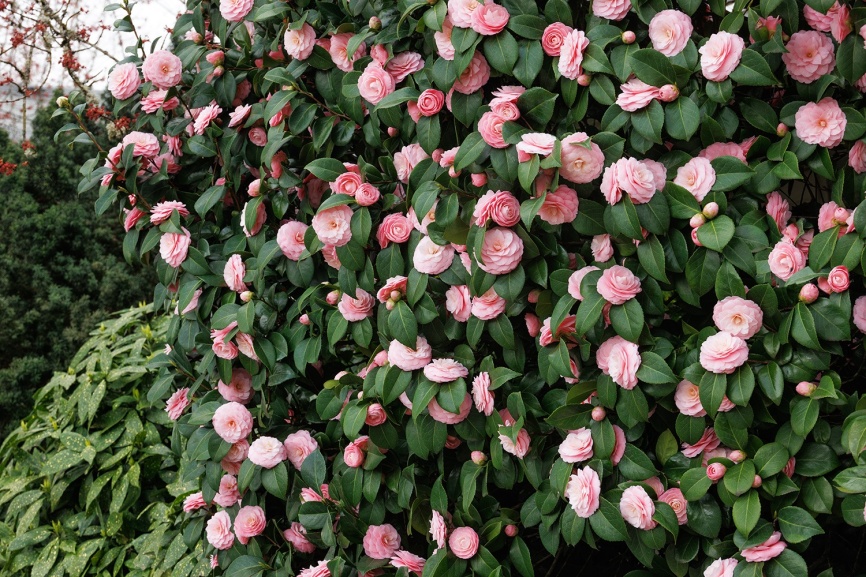
| Description | An outstanding compact, broadleaf shrub valued as an evergreen hedge or screen. Exceptionally handsome, shiny, deep green foliage has a tidy, clean appearance. Adapts well to occasional pruning to control size and form. Showy clusters of white flowers appear in spring. |
|---|---|
| Bloom Time | Spring |
| Deciduous/Evergreen | Evergreen |
| Special Features | Easy Care, Showy Fruit, Attracts Pollinators, Compact Form, Benefits Birds |
| Problems/Solutions | Coastal Exposure |
| Growth Rate | Moderate |
| Growth Habit | Upright |
| Flower Attributes | Fragrant, Showy Flowers |
| Landscape Use | Barrier, Hedge, Privacy Screen, Windbreak |
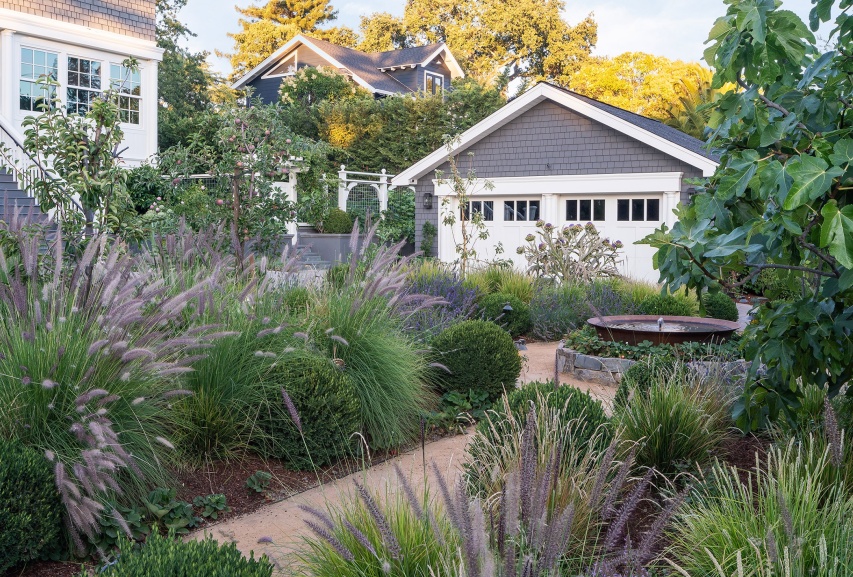
| Design Ideas | This large broadleaf foliage shrub is the ideal background plant with a dozen uses. It's primary value is as a hedge reaching tall enough to provide a solid privacy barrier. Density of foliage makes this also suited for windbreaks. A problem solving sound attenuation and as a visual screen for front yards that reclaim public space and block out traffic noise. One of the best shrubs for screening off neighboring houses and unsightly land uses. Adaptability to shearing makes this an outstanding formal foliage plant pruned into cone or columnar shapes as well as the standard rectangular forms of hedges. |
| Flower Color | White |
| Foliage Color | Green |
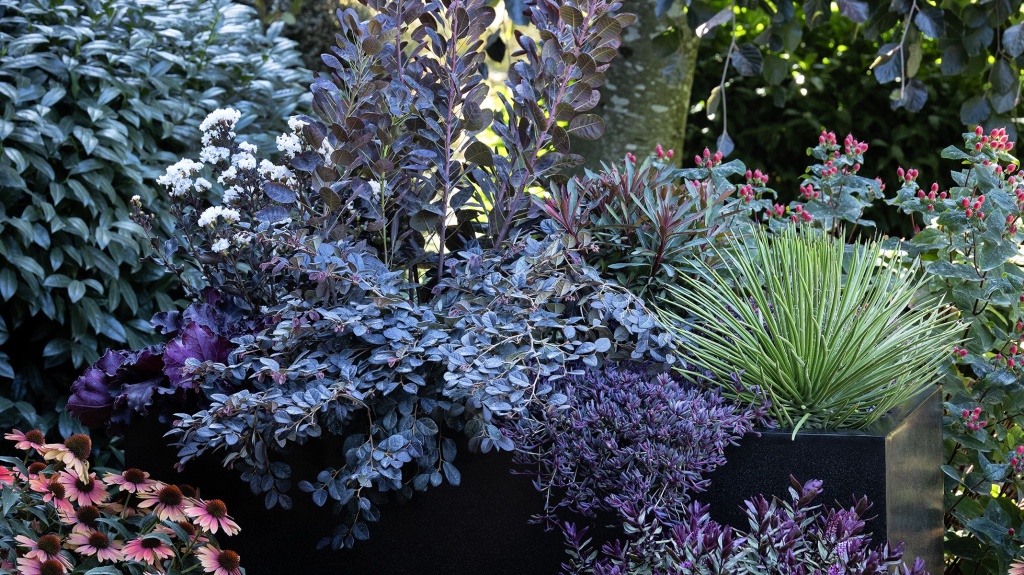
| Companion Plants | Crape Myrtle (Lagerstroemia); Japanese Cedar(Cryptomeria); Coneflower (Echinacea); Indian Hawthorn (Raphiolepis); Lily of the Nile (Agapanthus) |
| Care Instructions | Provide well-drained soil. Water deeply and regularly during the first growing season to establish an extensive root system; reduce frequency once established. Feed with a general purpose fertilizer before new growth begins in spring. For a tidy, neat appearance, prune annually to shape. |
| History | This plant is the American cherry laurel or wild mock orange that is native to stream valleys of South Carolina westward to Texas and mostly in the coastal states. It has proven valuable to the deep south and southern California. It was for a time classified as Laurocerasus caroliniana by Max Roemer, 1763-1819 of Switzerland. The current more accurate classification was conferred by William Aiton 1731-1793, of England. This cultivar was developed and introduced by Monrovia in 1961. |
| Lore | The fruit of Carolina laurel is valuable wild bird forage, but seed contains high concentrations of prussic acid (cyanide) which is a hazard for grazing animals, pets and children. |
Details
| Description | An outstanding compact, broadleaf shrub valued as an evergreen hedge or screen. Exceptionally handsome, shiny, deep green foliage has a tidy, clean appearance. Adapts well to occasional pruning to control size and form. Showy clusters of white flowers appear in spring. |
|---|---|
| Bloom Time | Spring |
| Deciduous/Evergreen | Evergreen |
| Special Features | Easy Care, Showy Fruit, Attracts Pollinators, Compact Form, Benefits Birds |
| Problems/Solutions | Coastal Exposure |
| Growth Rate | Moderate |
| Growth Habit | Upright |
| Flower Attributes | Fragrant, Showy Flowers |
Style
| Landscape Use | Barrier, Hedge, Privacy Screen, Windbreak |
|---|---|
| Design Ideas | This large broadleaf foliage shrub is the ideal background plant with a dozen uses. It's primary value is as a hedge reaching tall enough to provide a solid privacy barrier. Density of foliage makes this also suited for windbreaks. A problem solving sound attenuation and as a visual screen for front yards that reclaim public space and block out traffic noise. One of the best shrubs for screening off neighboring houses and unsightly land uses. Adaptability to shearing makes this an outstanding formal foliage plant pruned into cone or columnar shapes as well as the standard rectangular forms of hedges. |
| Flower Color | White |
| Foliage Color | Green |
| Companion Plants | Crape Myrtle (Lagerstroemia); Japanese Cedar(Cryptomeria); Coneflower (Echinacea); Indian Hawthorn (Raphiolepis); Lily of the Nile (Agapanthus) |
Care
| Care Instructions | Provide well-drained soil. Water deeply and regularly during the first growing season to establish an extensive root system; reduce frequency once established. Feed with a general purpose fertilizer before new growth begins in spring. For a tidy, neat appearance, prune annually to shape. |
|---|
History
| History | This plant is the American cherry laurel or wild mock orange that is native to stream valleys of South Carolina westward to Texas and mostly in the coastal states. It has proven valuable to the deep south and southern California. It was for a time classified as Laurocerasus caroliniana by Max Roemer, 1763-1819 of Switzerland. The current more accurate classification was conferred by William Aiton 1731-1793, of England. This cultivar was developed and introduced by Monrovia in 1961. |
|---|---|
| Lore | The fruit of Carolina laurel is valuable wild bird forage, but seed contains high concentrations of prussic acid (cyanide) which is a hazard for grazing animals, pets and children. |
Retailers Near You
About Us
We have been pioneers and craftsmen in the art of growing plants for 100 years. Since our founding in Southern California by Harry E. Rosedale, Sr. in 1926, we have been absolutely dedicated and obsessed with quality.
We have been pioneers and craftsmen in the art of growing plants for nearly 100 years. Since our founding in Southern California by Harry E. Rosedale, Sr. in 1926, we have been absolutely dedicated and obsessed with quality.