
You're growing in this Zip Code:
Discover Plants for Your Area

Carolina Allspice
Calycanthus floridus
Pronunciation: kal-i-KAN-thus FLOR-ih-dus
SKU #01451
LIGHT:
Filtered sun, Full sun, Partial shade, Partial sun
WATER:
Water when top 3 inches of soil is dry.
SIZE:
Moderate grower to 10 ft. tall, 5 to 8 ft. wide.

Retailers Near You
Ready to Grow?
Ship Monrovia plants directly to your door. Browse a curated selection available online.
Shop Now >This Plant's Growing Zones: 5-9
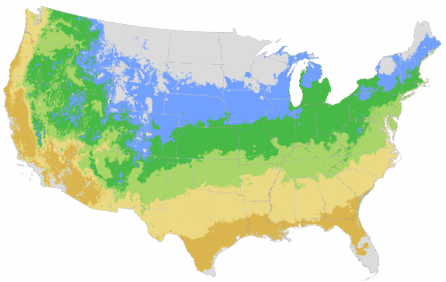
Your USDA Cold Hardiness Zone:
| Description | Delightful, strawberry-like fragrance to maroon-brown flowers carried at the ends of leafy branchlets. Blooms are followed by brownish, pear-shaped capsules that are fragrant when crushed. Deciduous. |
|---|---|
| Bloom Time | Late spring through mid-summer |
| Deciduous/Evergreen | Deciduous |
| Special Features | North American Native, Benefits Birds |
| Problems/Solutions | Deer Resistant |
| Growth Rate | Moderate |
| Growth Habit | Rounded |
| Flower Attributes | Flowers for Cutting, Fragrant, Showy Flowers |
| Landscape Use | Border, Hedge |
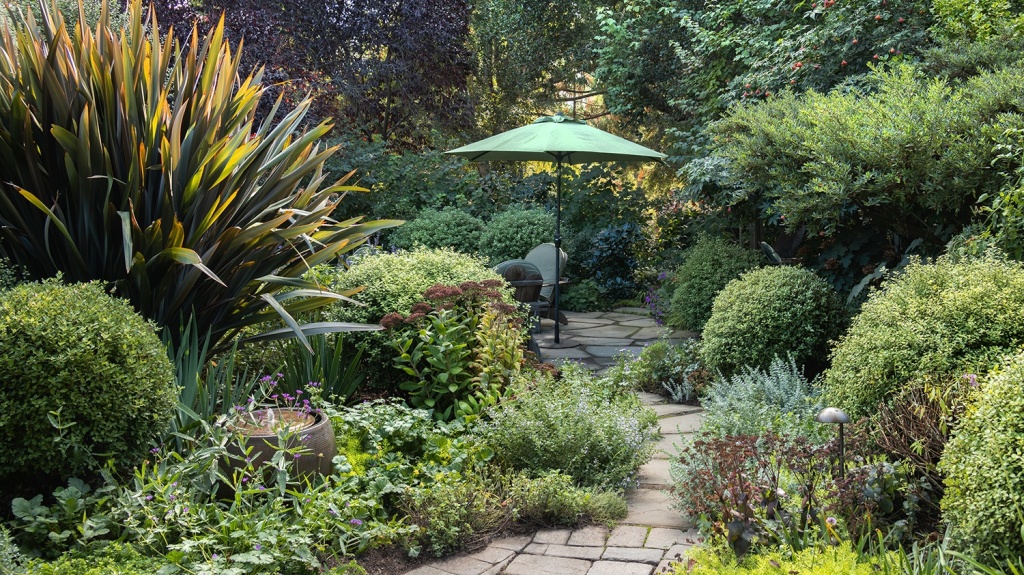
| Design Ideas | Exceptional shrub for the all native gardens. Integrate into wild garden compositions for color and fragrance. Works well along fence lines and against bare walls. Superior background for the perennial garden or as low maintenance choice to the shrub border. |
| Flower Color | Red |
| Foliage Color | Green |
| Companion Plants | Grow with other specatcular southeastern natives such as Yellow Trumpet Vine, (Campsis radicans 'Flava'), Hummingbird Summersweet, (Clethera alnifolia 'Hummingbird'), Glowlight Louisiana Iris, (Iris louisiana 'Glowlight') and Belle Etoile Mock Orange, (Philadelphus x lemoinei 'Belle Etoile'). |
| Care Instructions | Follow a regular watering schedule during the first growing season to establish a deep, extensive root system. Watering can be reduced after establishment. Feed with a general purpose fertilizer before new growth begins in spring. |
| History | This shrub is native to the American south, its range spanning many states from the Gulf Coast to Virginia and as far north as New York. It was named Calycanthus after the Greek for calix and flower, describing its characteristic colored calix. The current name was recorded in 1726. It is perhaps the most widely planted and beloved native of the southeast. |
| Lore | This shrub is called allspice because its flower fragrance resembles the culinary spice. |
Details
| Description | Delightful, strawberry-like fragrance to maroon-brown flowers carried at the ends of leafy branchlets. Blooms are followed by brownish, pear-shaped capsules that are fragrant when crushed. Deciduous. |
|---|---|
| Bloom Time | Late spring through mid-summer |
| Deciduous/Evergreen | Deciduous |
| Special Features | North American Native, Benefits Birds |
| Problems/Solutions | Deer Resistant |
| Growth Rate | Moderate |
| Growth Habit | Rounded |
| Flower Attributes | Flowers for Cutting, Fragrant, Showy Flowers |
Style
| Landscape Use | Border, Hedge |
|---|---|
| Design Ideas | Exceptional shrub for the all native gardens. Integrate into wild garden compositions for color and fragrance. Works well along fence lines and against bare walls. Superior background for the perennial garden or as low maintenance choice to the shrub border. |
| Flower Color | Red |
| Foliage Color | Green |
| Companion Plants | Grow with other specatcular southeastern natives such as Yellow Trumpet Vine, (Campsis radicans 'Flava'), Hummingbird Summersweet, (Clethera alnifolia 'Hummingbird'), Glowlight Louisiana Iris, (Iris louisiana 'Glowlight') and Belle Etoile Mock Orange, (Philadelphus x lemoinei 'Belle Etoile'). |
Care
| Care Instructions | Follow a regular watering schedule during the first growing season to establish a deep, extensive root system. Watering can be reduced after establishment. Feed with a general purpose fertilizer before new growth begins in spring. |
|---|
History
| History | This shrub is native to the American south, its range spanning many states from the Gulf Coast to Virginia and as far north as New York. It was named Calycanthus after the Greek for calix and flower, describing its characteristic colored calix. The current name was recorded in 1726. It is perhaps the most widely planted and beloved native of the southeast. |
|---|---|
| Lore | This shrub is called allspice because its flower fragrance resembles the culinary spice. |
Retailers Near You
About Us
We have been pioneers and craftsmen in the art of growing plants for 100 years. Since our founding in Southern California by Harry E. Rosedale, Sr. in 1926, we have been absolutely dedicated and obsessed with quality.
We have been pioneers and craftsmen in the art of growing plants for nearly 100 years. Since our founding in Southern California by Harry E. Rosedale, Sr. in 1926, we have been absolutely dedicated and obsessed with quality.