
You're growing in this Zip Code:
Change LocationDiscover Plants for Your Area
Chica® Red Dwarf Crape Myrtle
Lagerstroemia indica 'Moned'
Pronunciation: la-ger-STRE-mee-a IN-dih-kuh
SKU #05492
LIGHT:
Full sun
WATER:
Water deeply when soil is dry.
SIZE:
Dwarf grower, can be maintained at 3 to 4 ft. high and wide.

Retailers Near You
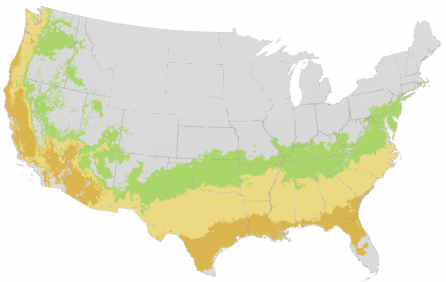
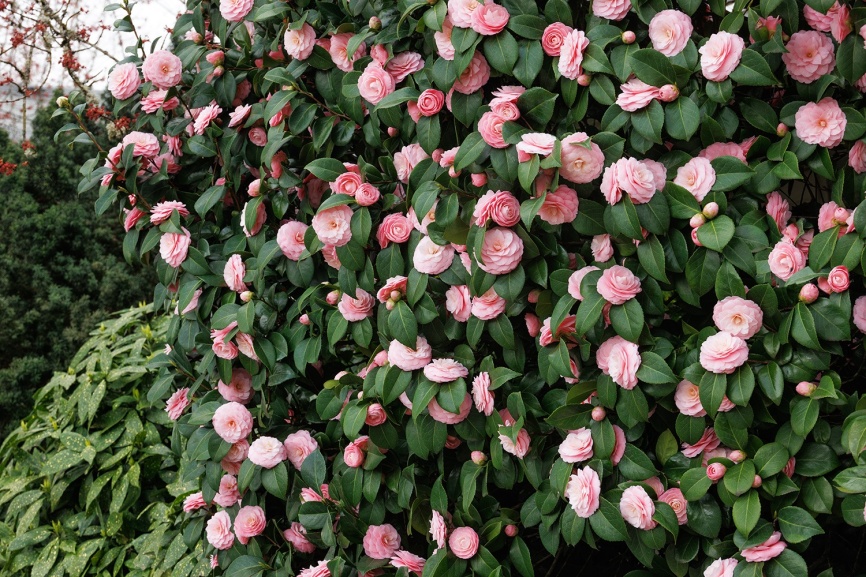
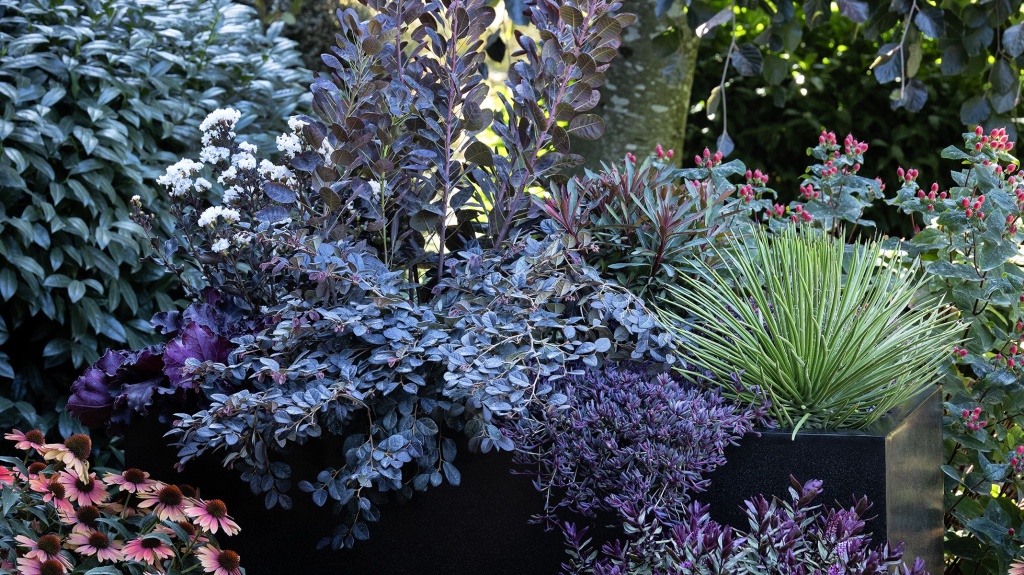
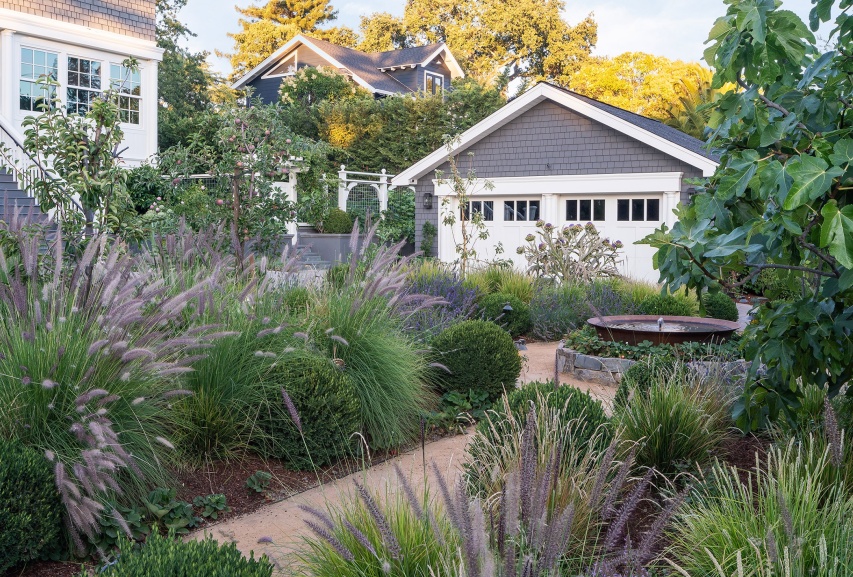
| Description | A special introduction, selected for its dwarf size and profuse flowering. Produces masses of rosy-red crepe-like blooms in the heat of summer. Great for small spaces and containers. Deciduous. |
|---|---|
| Bloom Time | Summer |
| Deciduous/Evergreen | Deciduous |
| Special Features | Attracts Butterflies, Attracts Hummingbirds, Fall Color, Non-toxic to Cats and Dogs, Attracts Pollinators, Compact Form |
| Growth Rate | Moderate |
| Growth Habit | Upright |
| Flower Attributes | Showy Flowers |
| Patent Act | Asexual reproduction of plants protected by the Plant Patent Act is prohibited during the life of the patent. |
| Landscape Use | Border, Container |
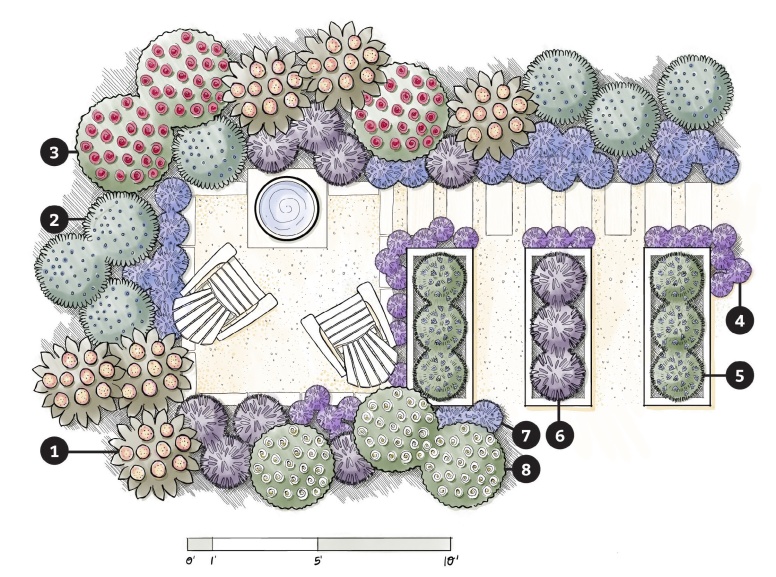
| Design Ideas | A striking crape myrtle with small shrubby stature that brings the vivid late summer color into beds and borders. Spices up foundation planting perfectly. Plant as a single, in groups to intensify color or in a row for a beautiful blooming hedge. When used next to outdoor living areas the attractive bark may be enjoyed while plants are dormant. |
| Flower Color | Red |
| Foliage Color | Green |
| Foliage Fall Color | Red |
| Companion Plants | Group this dwarf crape myrtle with other smaller cottagey plants such as Petite Plum Dwarf Butterfly Bush, (Buddleja davidii nanhoensis 'Monum'), Bennerup Blue Siberian Iris, (Iris siberica 'Bennerup Blue'), Aphrodite Rose of Sharon, (Hibiscus syriacus 'Aphrodite') and Pardon Me Dwarf Daylily, (Hemerocallis x 'Pardon me'). |
| Care Instructions | Follow a regular watering schedule during the first growing season to establish a deep, extensive root system. Feed with a general purpose fertilizer before new growth begins in spring. For a formal appearance, shear annually after flowering. |
| History | This is a smaller crape myrtle developed and introduced by Monrovia in 1970. Its parent is a small tree native to the South Pacific first recorded in England in 1759. Linnaeus gave the genus name to his friend, Magnus Lagerstroem. It was first grown in America by Andre Michaux at his nursery in Charleston, S.C.. Many historic sites including Mount Vernon were planted with Michaux's first varieties which remain in cultivation throughout the Carolinas today. |
| Lore | Many assume the crape myrtle is native because it is so common in the South, but it is among the first Asian introductions in America that proved perfectly adapted to the rigors of hot, humid climates. |
Details
| Description | A special introduction, selected for its dwarf size and profuse flowering. Produces masses of rosy-red crepe-like blooms in the heat of summer. Great for small spaces and containers. Deciduous. |
|---|---|
| Bloom Time | Summer |
| Deciduous/Evergreen | Deciduous |
| Special Features | Attracts Butterflies, Attracts Hummingbirds, Fall Color, Non-toxic to Cats and Dogs, Attracts Pollinators, Compact Form |
| Growth Rate | Moderate |
| Growth Habit | Upright |
| Flower Attributes | Showy Flowers |
| Patent Act | Asexual reproduction of plants protected by the Plant Patent Act is prohibited during the life of the patent. |
Style
| Landscape Use | Border, Container |
|---|---|
| Design Ideas | A striking crape myrtle with small shrubby stature that brings the vivid late summer color into beds and borders. Spices up foundation planting perfectly. Plant as a single, in groups to intensify color or in a row for a beautiful blooming hedge. When used next to outdoor living areas the attractive bark may be enjoyed while plants are dormant. |
| Flower Color | Red |
| Foliage Color | Green |
| Foliage Fall Color | Red |
| Companion Plants | Group this dwarf crape myrtle with other smaller cottagey plants such as Petite Plum Dwarf Butterfly Bush, (Buddleja davidii nanhoensis 'Monum'), Bennerup Blue Siberian Iris, (Iris siberica 'Bennerup Blue'), Aphrodite Rose of Sharon, (Hibiscus syriacus 'Aphrodite') and Pardon Me Dwarf Daylily, (Hemerocallis x 'Pardon me'). |
Care
| Care Instructions | Follow a regular watering schedule during the first growing season to establish a deep, extensive root system. Feed with a general purpose fertilizer before new growth begins in spring. For a formal appearance, shear annually after flowering. |
|---|
History
| History | This is a smaller crape myrtle developed and introduced by Monrovia in 1970. Its parent is a small tree native to the South Pacific first recorded in England in 1759. Linnaeus gave the genus name to his friend, Magnus Lagerstroem. It was first grown in America by Andre Michaux at his nursery in Charleston, S.C.. Many historic sites including Mount Vernon were planted with Michaux's first varieties which remain in cultivation throughout the Carolinas today. |
|---|---|
| Lore | Many assume the crape myrtle is native because it is so common in the South, but it is among the first Asian introductions in America that proved perfectly adapted to the rigors of hot, humid climates. |
Retailers Near You
About Us
We have been pioneers and craftsmen in the art of growing plants for 100 years. Since our founding in Southern California by Harry E. Rosedale, Sr. in 1926, we have been absolutely dedicated and obsessed with quality.
We have been pioneers and craftsmen in the art of growing plants for nearly 100 years. Since our founding in Southern California by Harry E. Rosedale, Sr. in 1926, we have been absolutely dedicated and obsessed with quality.