
You're growing in this Zip Code:
Change LocationDiscover Plants for Your Area
China Girl® Holly
Ilex x meserveae 'Mesog'
Pronunciation: I-leks MESS-erv-ay
SKU #04524
LIGHT:
Full sun, Partial sun
WATER:
Water when top 2 inches of soil is dry.
SIZE:
Moderate growing; reaches 8 to 10 ft. tall, 6 to 8 ft. wide.

Retailers Near You
| Description | This mounding evergreen holly boasts a profusion of bright red berries each fall, backed by lustrous green foliage. Partners well with China Boy as a pollenizer, to assure berry set. The dense branching habit takes well to formal pruning. The ornamental berries are a valuable food source for overwintering birds. Excellent heat tolerance. |
|---|---|
| Bloom Time | Spring |
| Deciduous/Evergreen | Evergreen |
| Special Features | Easy Care, Ornamental Berries, Benefits Birds |
| Problems/Solutions | Rabbit Resistant |
| Growth Rate | Moderate |
| Patent Act | Asexual reproduction of plants protected by the Plant Patent Act is prohibited during the life of the patent. |
| Landscape Use | Barrier, Border, Hedge, Privacy Screen |
| Design Ideas | This rugged female Holly needs a pollenizer for fruit. However, with or without fruit, it is excellent hedge material and a perfect candidate for formal gardens. Its dense habit takes oval or pyramidal forms. If left unsheared, it makes an ideal screen for planting strips between driveways, where it can take reflected heat and reduces glare. |
| Flower Color | White |
| Foliage Color | Green |
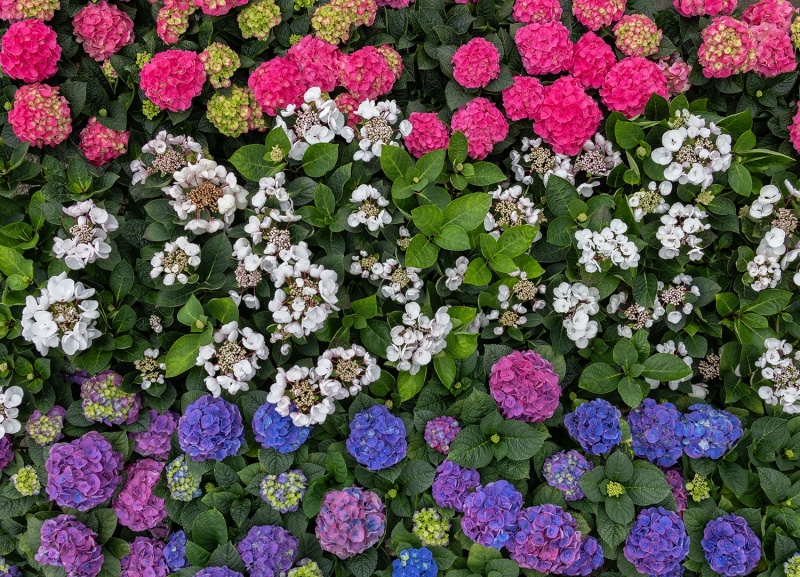
| Companion Plants | Lily of the Valley (Pieris); Magnolia (Magnolia); Rhododendron (Rhododendron); Mountain Laurel (Kalmia); Hydrangea (Hydrangea) |
| Care Instructions | Thrives in organically rich, slightly acidic, moist, well-drained soils, but highly adaptable. Water deeply and regularly during the first growing season to establish an extensive root system. Feed with a general purpose fertilizer before new growth begins in spring. For a tidy, neat appearance, prune annually to shape. |
| History | I. x meserveae were originally bred by Mrs. Leighton Meserve of New York by using two species, I. rugosa, a cold hardy, Japanese spreading Holly, and I. aquifolium, a European tree holly that produces an abundance of berries. |
| Lore | Though an extremely valuable food source to birds and wildlife, Holly berries are considered mildly toxic, causing gastric upset if consumed by humans. |
Details
| Description | This mounding evergreen holly boasts a profusion of bright red berries each fall, backed by lustrous green foliage. Partners well with China Boy as a pollenizer, to assure berry set. The dense branching habit takes well to formal pruning. The ornamental berries are a valuable food source for overwintering birds. Excellent heat tolerance. |
|---|---|
| Bloom Time | Spring |
| Deciduous/Evergreen | Evergreen |
| Special Features | Easy Care, Ornamental Berries, Benefits Birds |
| Problems/Solutions | Rabbit Resistant |
| Growth Rate | Moderate |
| Patent Act | Asexual reproduction of plants protected by the Plant Patent Act is prohibited during the life of the patent. |
Style
| Landscape Use | Barrier, Border, Hedge, Privacy Screen |
|---|---|
| Design Ideas | This rugged female Holly needs a pollenizer for fruit. However, with or without fruit, it is excellent hedge material and a perfect candidate for formal gardens. Its dense habit takes oval or pyramidal forms. If left unsheared, it makes an ideal screen for planting strips between driveways, where it can take reflected heat and reduces glare. |
| Flower Color | White |
| Foliage Color | Green |
| Companion Plants | Lily of the Valley (Pieris); Magnolia (Magnolia); Rhododendron (Rhododendron); Mountain Laurel (Kalmia); Hydrangea (Hydrangea) |
Care
| Care Instructions | Thrives in organically rich, slightly acidic, moist, well-drained soils, but highly adaptable. Water deeply and regularly during the first growing season to establish an extensive root system. Feed with a general purpose fertilizer before new growth begins in spring. For a tidy, neat appearance, prune annually to shape. |
|---|
History
| History | I. x meserveae were originally bred by Mrs. Leighton Meserve of New York by using two species, I. rugosa, a cold hardy, Japanese spreading Holly, and I. aquifolium, a European tree holly that produces an abundance of berries. |
|---|---|
| Lore | Though an extremely valuable food source to birds and wildlife, Holly berries are considered mildly toxic, causing gastric upset if consumed by humans. |
Retailers Near You
About Us
We have been pioneers and craftsmen in the art of growing plants for 100 years. Since our founding in Southern California by Harry E. Rosedale, Sr. in 1926, we have been absolutely dedicated and obsessed with quality.
We have been pioneers and craftsmen in the art of growing plants for nearly 100 years. Since our founding in Southern California by Harry E. Rosedale, Sr. in 1926, we have been absolutely dedicated and obsessed with quality.