
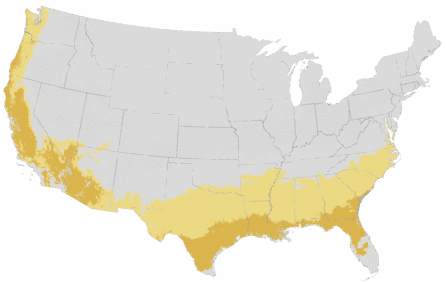
You're growing in this Zip Code:
Change LocationDiscover Plants for Your Area
Chinese Mahonia
Mahonia fortunei
Pronunciation: ma-HOH-nee-a for-TU-ne-i
SKU #06092
LIGHT:
Full sun, Partial sun
WATER:
Water when top 2 inches of soil is dry.
SIZE:
Moderate growing to 4 to 6 ft. high, 3 to 4 ft. wide.

Retailers Near You
| Description | Handsome evergreen shrub with compact bushy stems. Compound leaves have a fern-like appearance. The narrow green leaflets are spiny with paler green undersides. Short yellow flower spikes. |
|---|---|
| Bloom Time | Spring |
| Deciduous/Evergreen | Evergreen |
| Special Features | Easy Care, Improved Pest and Disease Resistance, Ornamental Berries |
| Problems/Solutions | Deer Resistant, Rabbit Resistant |
| Growth Rate | Moderate |
| Growth Habit | Upright |
| Flower Attributes | Fragrant, Showy Flowers |
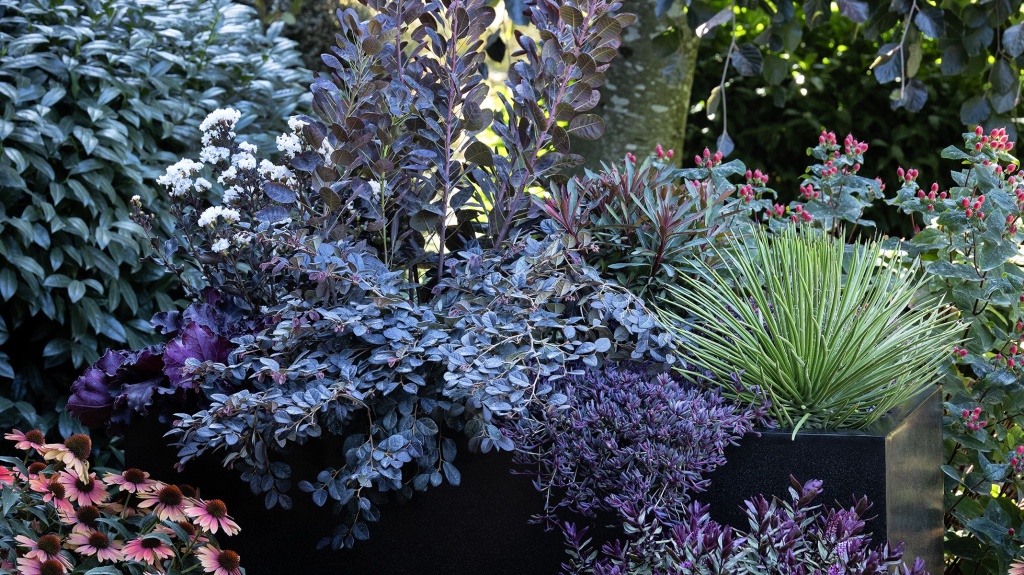
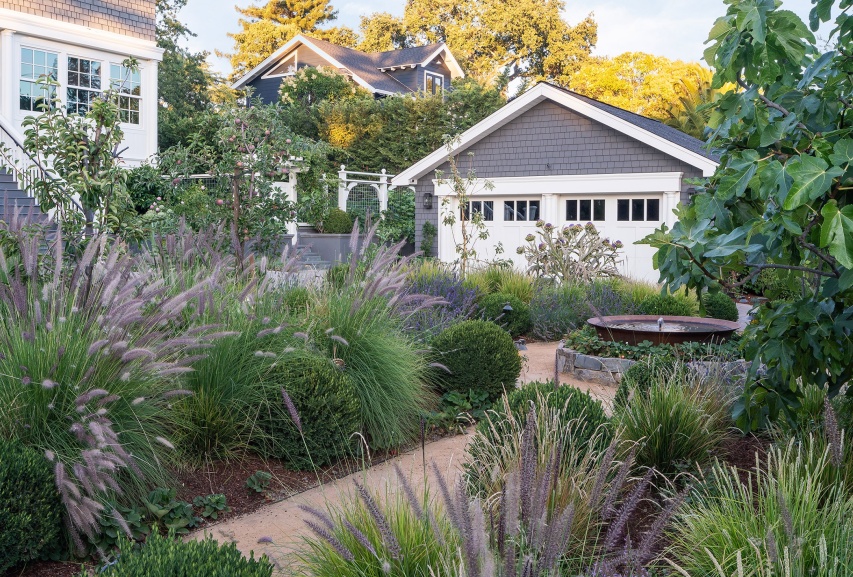
| Landscape Use | Border, Container, Hedge |
| Design Ideas | An exceptional evergreen for foundation planting. A low maintenance filler for beds and borders. Best suited to Asian inspired gardens whether traditional or more spare modern Zen style. Will fit into tropical landscaping needing textural variations. Exceptional in modern gardens against light value walls and surfaces. |
| Flower Color | Yellow |
| Foliage Color | Green |
| Companion Plants | Mahonia is exceptional with Asian inspired Girard's Fuchsia Azalea, (Azalea 'Girard's Fuchsia'), Silver Dragon Lilyturf, (Liriope spicata 'Silver Dragon'), Spotted Dead Nettle, (Lamium maculatum 'Red Nancy') and Variegated Japanese Water Iris, (Iris ensata 'Variegata'). |
| Care Instructions | Follow a regular watering schedule during the first growing season to establish a deep, extensive root system. Feed with a general purpose fertilizer before new growth begins in spring. For a formal appearance, shear annually after flowering. |
| History | This plant is grouped into the barberry family. The genus was classified by Thomas Nuttall, among the most noteworthy American botanists of Philadelphia and author of Genera of North American Plants, published in 1815. It was named for Mernard M. Mahon, a fellow American horticulturist. The genus contains over 100 species of shrubs native to Asia and America. This species was named for Robert Fortune, a 19th century plant hunter who took many expeditions into Asia. |
Details
| Description | Handsome evergreen shrub with compact bushy stems. Compound leaves have a fern-like appearance. The narrow green leaflets are spiny with paler green undersides. Short yellow flower spikes. |
|---|---|
| Bloom Time | Spring |
| Deciduous/Evergreen | Evergreen |
| Special Features | Easy Care, Improved Pest and Disease Resistance, Ornamental Berries |
| Problems/Solutions | Deer Resistant, Rabbit Resistant |
| Growth Rate | Moderate |
| Growth Habit | Upright |
| Flower Attributes | Fragrant, Showy Flowers |
Style
| Landscape Use | Border, Container, Hedge |
|---|---|
| Design Ideas | An exceptional evergreen for foundation planting. A low maintenance filler for beds and borders. Best suited to Asian inspired gardens whether traditional or more spare modern Zen style. Will fit into tropical landscaping needing textural variations. Exceptional in modern gardens against light value walls and surfaces. |
| Flower Color | Yellow |
| Foliage Color | Green |
| Companion Plants | Mahonia is exceptional with Asian inspired Girard's Fuchsia Azalea, (Azalea 'Girard's Fuchsia'), Silver Dragon Lilyturf, (Liriope spicata 'Silver Dragon'), Spotted Dead Nettle, (Lamium maculatum 'Red Nancy') and Variegated Japanese Water Iris, (Iris ensata 'Variegata'). |
Care
| Care Instructions | Follow a regular watering schedule during the first growing season to establish a deep, extensive root system. Feed with a general purpose fertilizer before new growth begins in spring. For a formal appearance, shear annually after flowering. |
|---|
History
| History | This plant is grouped into the barberry family. The genus was classified by Thomas Nuttall, among the most noteworthy American botanists of Philadelphia and author of Genera of North American Plants, published in 1815. It was named for Mernard M. Mahon, a fellow American horticulturist. The genus contains over 100 species of shrubs native to Asia and America. This species was named for Robert Fortune, a 19th century plant hunter who took many expeditions into Asia. |
|---|
Retailers Near You
About Us
We have been pioneers and craftsmen in the art of growing plants for 100 years. Since our founding in Southern California by Harry E. Rosedale, Sr. in 1926, we have been absolutely dedicated and obsessed with quality.
We have been pioneers and craftsmen in the art of growing plants for nearly 100 years. Since our founding in Southern California by Harry E. Rosedale, Sr. in 1926, we have been absolutely dedicated and obsessed with quality.