
You're growing in this Zip Code:
Change LocationDiscover Plants for Your Area
Cinnamon Fern
Osmunda cinnamomea
SKU #03641
LIGHT:
Filtered sun
WATER:
Keep soil moist to wet.
SIZE:
Slow growing to 4 ft. tall, 3 ft. wide.

Retailers Near You
| Description | Dramatic architectural form and color makes a striking focal point near the edge of water features. Large 4-foot long fronds are blue-green in summer with new growth covered in white hairs. Fertile fronds are a contrasting cinnamon brown. Herbaceous. |
|---|---|
| Bloom Time | Spring |
| Deciduous/Evergreen | Herbaceous |
| Special Features | Dramatic Foliage Color, North American Native |
| Problems/Solutions | Coastal Exposure, Deer Resistant, Rabbit Resistant |
| Growth Rate | Slow |
| Growth Habit | Upright |
| Landscape Use | Border |
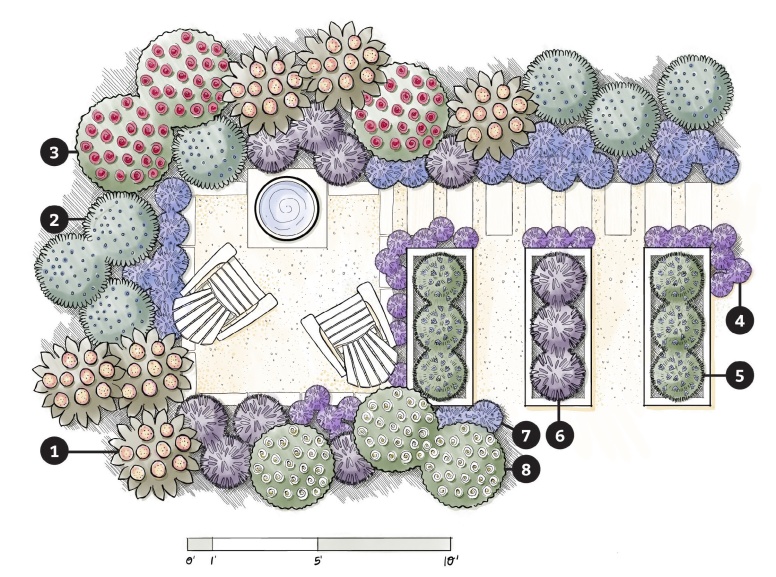
| Design Ideas | This great upstanding fern is exceptional form for wild gardens. Plant in masses under protective tree canopies and within woodland groves. A super choice for sideyards that need bold fillers. Such good form is also super valuable massed into modern gardens, particularly in the urban environment. May be added to shade borders for height or background and color. A stunning background for fountains and problem solver for acidic, light challenged gardens. |
| Flower Color | Brown |
| Foliage Color | Green |
| Companion Plants | Ligularia (Ligularia); Lungwort (Pulmonaria); Hosta (Hosta); Soloman's Seal (Polygonatum); Bleeding Heart (Dicentra) |
| Care Instructions | Follow a regular watering schedule during the first growing season to establish a deep, extensive root system. Feed frequently during growing season with a general purpose fertilizer. Cut back old fronds after new growth begins in spring. |
| History | The osmunda fern family includes just three genera. This one was classified to include nine species native to the Americas and Asia. It was derived from the name of an ancient Saxon god, Osmunder. The species likens the unique orange colored sporangia with that of the spice, cinnamon. This one is found in the North American forests and those of eastern Asia. Often called "flowering ferns" due to their sporangia which resemble flowers. |
| Lore | These ferns are commercially harvested for osmunda fiber, an important horticultural product used in growing orchids. |
Details
| Description | Dramatic architectural form and color makes a striking focal point near the edge of water features. Large 4-foot long fronds are blue-green in summer with new growth covered in white hairs. Fertile fronds are a contrasting cinnamon brown. Herbaceous. |
|---|---|
| Bloom Time | Spring |
| Deciduous/Evergreen | Herbaceous |
| Special Features | Dramatic Foliage Color, North American Native |
| Problems/Solutions | Coastal Exposure, Deer Resistant, Rabbit Resistant |
| Growth Rate | Slow |
| Growth Habit | Upright |
Style
| Landscape Use | Border |
|---|---|
| Design Ideas | This great upstanding fern is exceptional form for wild gardens. Plant in masses under protective tree canopies and within woodland groves. A super choice for sideyards that need bold fillers. Such good form is also super valuable massed into modern gardens, particularly in the urban environment. May be added to shade borders for height or background and color. A stunning background for fountains and problem solver for acidic, light challenged gardens. |
| Flower Color | Brown |
| Foliage Color | Green |
| Companion Plants | Ligularia (Ligularia); Lungwort (Pulmonaria); Hosta (Hosta); Soloman's Seal (Polygonatum); Bleeding Heart (Dicentra) |
Care
| Care Instructions | Follow a regular watering schedule during the first growing season to establish a deep, extensive root system. Feed frequently during growing season with a general purpose fertilizer. Cut back old fronds after new growth begins in spring. |
|---|
History
| History | The osmunda fern family includes just three genera. This one was classified to include nine species native to the Americas and Asia. It was derived from the name of an ancient Saxon god, Osmunder. The species likens the unique orange colored sporangia with that of the spice, cinnamon. This one is found in the North American forests and those of eastern Asia. Often called "flowering ferns" due to their sporangia which resemble flowers. |
|---|---|
| Lore | These ferns are commercially harvested for osmunda fiber, an important horticultural product used in growing orchids. |
Retailers Near You
About Us
We have been pioneers and craftsmen in the art of growing plants for 100 years. Since our founding in Southern California by Harry E. Rosedale, Sr. in 1926, we have been absolutely dedicated and obsessed with quality.
We have been pioneers and craftsmen in the art of growing plants for nearly 100 years. Since our founding in Southern California by Harry E. Rosedale, Sr. in 1926, we have been absolutely dedicated and obsessed with quality.